Ha Giang Loop Tour 4 Days: Itinerary, Cost & Travel Tips
Planning a Ha Giang Loop tour 4 days? Explore a practical itinerary, must-see mountain passes, local villages, tour costs, and essential travel tips.
A Ha Giang Loop tour 4 days is a great way to discover northern Vietnam’s dramatic mountain scenery, winding roads, ethnic minority villages, and local culture without rushing through every destination. From the famous Ma Pi Leng Pass to the traditional villages around Dong Van and Du Gia, four days give you time to enjoy the journey as well as the stops along the way. At Tubudd, we recommend planning your route around road conditions, travel pace, and the experiences you value most.
Why Choose a 4-Day Ha Giang Loop Tour?
Why Choose a 4-Day Ha Giang Loop Tour?
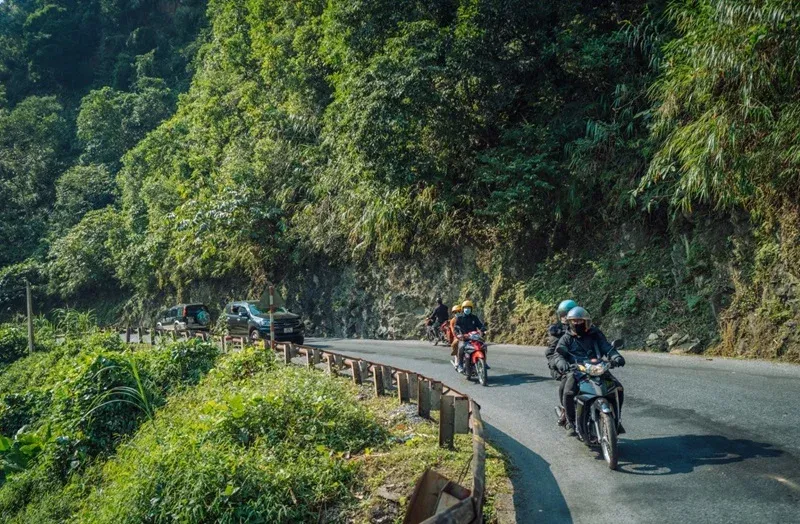
The Ha Giang Loop is a popular motorbike route through Vietnam’s northernmost province. It takes travelers across mountain passes, limestone plateaus, remote valleys, and small communities where traditional ways of life remain part of everyday culture.
A four-day trip offers more flexibility than a shorter tour. You can spend time at scenic viewpoints, visit local villages, enjoy regional food, and take breaks without feeling that every hour has to be spent on the road.
A typical four-day route includes Ha Giang City, Quan Ba, the Dong Van Karst Plateau, Ma Pi Leng Pass, Meo Vac, and Du Gia. The exact route varies by tour operator and weather conditions.
This experience is especially suitable for travelers who enjoy outdoor adventures, photography, mountain landscapes, and cultural encounters. However, the route involves long rides and steep, winding roads, so it is important to choose a travel style that matches your experience and comfort level.
Ha Giang Loop Tour 4 Days: Suggested Itinerary
Day One: Ha Giang City to Quan Ba and the Mountain Villages
Start your journey in Ha Giang City, where most travelers meet their guide or motorbike group before heading into the mountains. If you arrive from Hanoi, consider traveling to Ha Giang the previous evening so you can begin the loop well-rested.
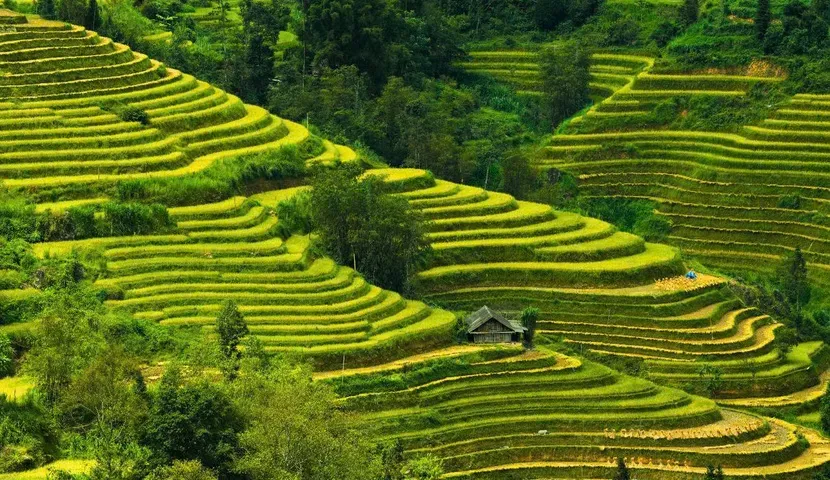
After breakfast and a safety briefing, follow the road north into the mountains. The scenery changes quickly as the route leaves the city behind, revealing terraced fields, limestone peaks, and small settlements scattered across the hillsides.
One of the first major stops is Quan Ba Heaven Gate, a viewpoint overlooking the valley and the distinctive Twin Mountains. On clear days, it offers an excellent introduction to the dramatic landscapes that define the Ha Giang Loop.
Continue through the surrounding mountain roads, stopping at viewpoints when it is safe to do so. Depending on your chosen route, you may pass through villages where you can observe local architecture, farming activities, and daily life.
Spend the evening at a local homestay or guesthouse. Sharing a meal with your hosts can be a memorable part of the trip, offering an opportunity to try regional dishes and learn more about life in the mountains.
Travel tip: Keep your first day flexible. Weather, road conditions, and the number of stops can affect travel time, so avoid planning too many activities after arriving at your overnight destination.
Day Two: Dong Van Karst Plateau and Lung Cu Flag Tower
Day Two: Dong Van Karst Plateau and Lung Cu Flag Tower
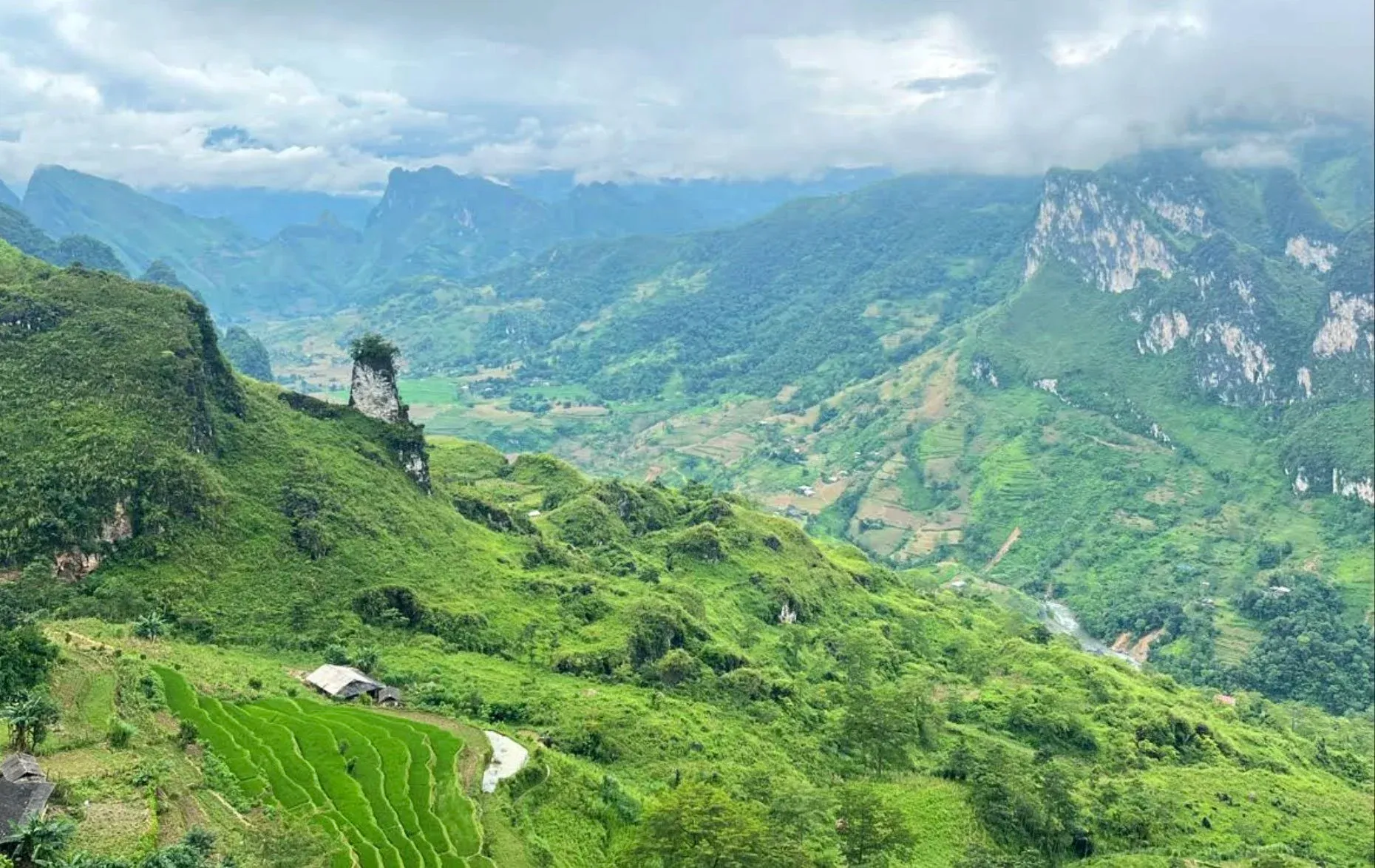
Day two takes you deeper into the Dong Van Karst Plateau, a UNESCO Global Geopark known for its dramatic limestone formations and distinctive geological landscape.
The drive itself is one of the highlights. Rocky mountain slopes, narrow valleys, and small villages create a landscape that feels very different from Vietnam’s larger cities and coastal destinations.
Depending on your itinerary, stop at Tham Ma Pass, a winding mountain road known for its striking curves and panoramic views. It is a popular photography stop, but always follow your guide’s instructions and avoid standing in the road.
You may also visit Lung Cu Flag Tower, a landmark in Vietnam’s northernmost region. The surrounding area offers views across the mountains and nearby settlements. Allow extra time for the journey, as the roads can be slow and conditions may change.
If your schedule allows, explore Lo Lo Chai Village, near Lung Cu. The village is known for its traditional houses and the culture of the Lo Lo ethnic community. Visitors should be respectful when taking photographs and should ask permission before photographing residents or entering private spaces.
Finish the day in Dong Van or another overnight stop included in your tour. If you arrive early enough, explore Dong Van Old Quarter, where traditional buildings, small cafés, and local eateries create a relaxed atmosphere.
Travel tip: Do not try to fit every attraction into the day. Lung Cu and the surrounding villages can add substantial riding time, so confirm the route with your operator before departure.
Day Three: Ma Pi Leng Pass, Nho Que River, and Meo Vac
For many travelers, day three is the highlight of a Ha Giang Loop tour 4 days because it includes some of the region’s most spectacular mountain scenery.
Begin with the journey toward Ma Pi Leng Pass, one of northern Vietnam’s best-known mountain roads. The route runs along steep limestone cliffs, with expansive views over the mountains and the Nho Que River below.
Take time at designated viewpoints to appreciate the landscape. The road is narrow and winding in places, so photography should always take priority over convenience: stop only where it is safe and permitted.
Another popular experience is a boat trip on the Nho Que River, which flows through a deep canyon beneath the surrounding cliffs. When operating conditions permit, a boat ride offers a different perspective on the scale of the landscape. Boat access, schedules, and fees can vary, so check availability with your guide.
Continue toward Meo Vac, a mountain town surrounded by rugged terrain and remote communities. Depending on the route, your tour may include additional scenic stops or visits to local markets and villages.
The evening is a good opportunity to rest, enjoy a local meal, and reflect on the day’s journey.
Travel tip: If you are prone to motion sickness, prepare medication in advance if it is suitable for you, eat lightly before long rides, and tell your guide if you need breaks.
Day Four: Du Gia, Local Villages, and the Return to Ha Giang City
The final day usually focuses on the return journey to Ha Giang City, with the route depending on your overnight location and tour operator.
Some itineraries travel through Du Gia, a peaceful rural area known for green valleys, village life, and mountain scenery. If Du Gia is included in your route, it provides a quieter contrast to the dramatic passes of the previous days.
You may also visit local craft villages, such as Lung Tam, known for traditional hemp weaving among the Hmong community. A visit can offer insight into the time and skill involved in producing handmade textiles. Availability and access depend on the specific itinerary.
As you make your way back toward Ha Giang City, expect more mountain roads and scenic stops. The final day can still involve several hours of riding, so avoid booking a tight onward connection.
Once you arrive in Ha Giang City, you can continue to Hanoi or stay overnight before traveling onward.
Travel tip: If you need to catch a bus or another transfer, confirm the expected arrival time with your operator and leave a generous buffer for delays.
How Much Does a 4-Day Ha Giang Loop Tour Cost?
How Much Does a 4-Day Ha Giang Loop Tour Cost?
The cost of a four-day Ha Giang Loop tour depends on the operator, accommodation, group size, transport option, and activities included.
As a general planning guide, published tour prices can range from around 3,850,000 to 5,700,000 VND per person for selected four-day, three-night packages. This is an indicative range rather than a fixed market price; confirm the current rate and inclusions directly with your chosen operator.
For example, some operators offer different prices for travelers riding behind a friend, riding independently, or booking an Easy Rider experience with a local driver. These options may differ significantly in price and what they include.
Before booking, check whether the package covers:
Motorbike rental and fuel
An Easy Rider driver, if applicable
Accommodation for three nights
Meals and drinking water
An experienced local guide
Entrance fees and boat trips
Safety equipment and travel insurance requirements
Transfers between Hanoi and Ha Giang, if needed
Do not assume that every activity or transfer is included in the advertised price. Ask for a written list of inclusions and exclusions, and keep some extra money for drinks, snacks, optional activities, and personal expenses.
Easy Rider or Self-Riding: Which Option Is Better?
Choosing the right way to travel is one of the most important decisions when planning a Ha Giang Loop tour.
Easy Rider Tour
With an Easy Rider tour, a local driver handles the motorbike while you enjoy the scenery as a passenger. This is a good option for travelers who have little or no motorbike experience, prefer not to navigate unfamiliar mountain roads, or want to focus on photography and local experiences.
The price is usually higher than some self-riding packages, but it may offer greater peace of mind on challenging roads. Confirm the driver's experience, the type of motorbike, and the safety equipment provided before booking.
Self-Riding Tour
Self-riding gives you more direct control over your journey and may appeal to experienced riders who are comfortable with long distances, steep gradients, sharp bends, and changing weather.
However, the Ha Giang Loop is not an ideal place to learn to ride. You should have the appropriate license and legal authorization for the motorbike you intend to use, understand local traffic rules, and check that your insurance covers the activity. Requirements can depend on your nationality, license, and motorcycle category.
If you are inexperienced or uncertain about the legal requirements, choose a qualified local driver instead of taking unnecessary risks.
Best Time to Do the Ha Giang Loop
Ha Giang can be visited throughout much of the year, but the experience changes with the seasons.
September to November is often popular for cooler weather, mountain views, and autumn scenery. October and November may offer especially pleasant conditions, although weather can still change quickly.
March to May generally brings spring landscapes and milder temperatures. This period can be attractive for travelers who want to see green valleys and enjoy outdoor activities.
June to August is warmer and can be rainy. Heavy rain may affect visibility, road conditions, and travel times, so follow local advice and be prepared for itinerary changes.
December to February can be cold, particularly at higher elevations. Fog may reduce visibility, and travelers should pack warm layers.
There is no guarantee of clear skies in any season. Check the forecast shortly before departure and prioritize safety over reaching every planned stop.
What to Pack for a 4-Day Ha Giang Loop Tour
Pack light, but prepare for changing temperatures and outdoor conditions.
Clothing: Comfortable layers, a warm jacket, and rain protection.
Footwear: Shoes with a good grip for walking at viewpoints and village stops.
Sun protection: Sunscreen, sunglasses, and a hat.
Personal essentials: Medication, toiletries, and any motion-sickness remedies you normally use.
Travel documents: Passport, relevant driving documents if self-riding, and insurance details.
Electronics: Phone, charging cable, power bank, and a camera if desired.
Small cash: Useful for personal purchases and optional activities in areas where card payments may not be available.
A waterproof bag or dry pouch is helpful for protecting electronics and documents. If you are traveling with an Easy Rider, ask how much luggage can be carried safely.
Safety Tips for the Ha Giang Loop
Safety Tips for the Ha Giang Loop
The Ha Giang Loop is beautiful, but its mountain roads require care. Weather, sharp bends, steep drops, limited visibility, and traffic can make riding challenging even for experienced motorcyclists.
Choose a reputable operator that provides a clear itinerary, appropriate helmets, and an experienced driver or suitable motorbike. Avoid riding after drinking alcohol, and never pressure a driver to travel faster to reach a viewpoint.
Follow local guidance when roads are wet or foggy. If conditions become unsafe, be prepared to stop, change the route, or postpone an activity.
Respect local communities by dressing appropriately, asking before taking close-up photographs, and following your guide’s advice when visiting homes or religious sites. Buy local products when possible and avoid leaving rubbish along the route.
Finally, check your travel insurance carefully. Some policies exclude motorbike riding or require specific licenses and safety conditions.
Conclusion
A Ha Giang Loop tour 4 days offers a rewarding introduction to northern Vietnam, combining mountain passes, remote villages, local food, and unforgettable scenery. With four days, you can explore major highlights such as Quan Ba, Dong Van, Ma Pi Leng Pass, and the Nho Que River while allowing time for rest and cultural experiences. Choose a route that matches your pace, confirm what your tour price includes, and prioritize road safety throughout the journey. If you want to combine Ha Giang with other destinations or tailor your Vietnam trip to your interests, explore Tubudd’s customised tours for a more personal travel experience.