Vietnamese Shrimp Paste: The Unique Spice of Vietnam
Discover the bold flavor of Vietnamese shrimp paste, a unique spice of Vietnam. Learn its history, culinary uses, and must-try dishes made with this iconic ingredient.
Vietnamese cuisine is a symphony of flavors, balancing sweet, sour, salty, and umami in every dish. Among its many bold ingredients, none stands out quite like Vietnamese shrimp paste. With its pungent aroma, deep umami taste, and centuries-old tradition, shrimp paste is more than a condiment, it is a cultural symbol that reflects Vietnam’s coastal roots and culinary creativity.
The Origins and Making of Vietnamese Shrimp Paste
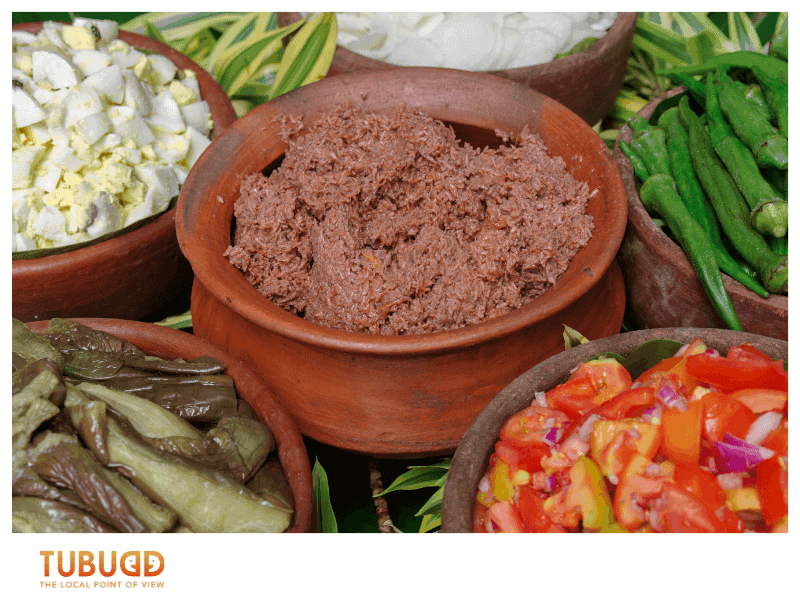
The Origins and Making of Vietnamese Shrimp PasteShrimp paste, or “mắm tôm” in Vietnamese, has a history that dates back hundreds of years. Vietnam’s long coastline provided an abundance of shrimp, and local communities developed ways to preserve them. The fermentation process was the answer. Small shrimp or krill are mixed with salt, then left to ferment in clay jars under the sun. Over time, the mixture develops into a thick, dark paste with an unmistakable aroma.
The making of Vietnamese shrimp paste is considered an artisanal craft. Skilled producers know how to balance salt, time, and temperature to create a paste that is flavorful but not overpowering. In northern Vietnam, especially in Thanh Hoa and Hanoi, shrimp paste has become an essential kitchen ingredient, carrying both cultural and culinary significance.
Fermentation gives the paste its distinct smell, which can be intense to first-time visitors. Yet, for locals, that aroma signals delicious meals ahead. Just as cheese in Europe or fish sauce in Southeast Asia, shrimp paste is an acquired taste that rewards those willing to try it.
The Role of Shrimp Paste in Vietnamese Cuisine
The Role of Shrimp Paste in Vietnamese Cuisine
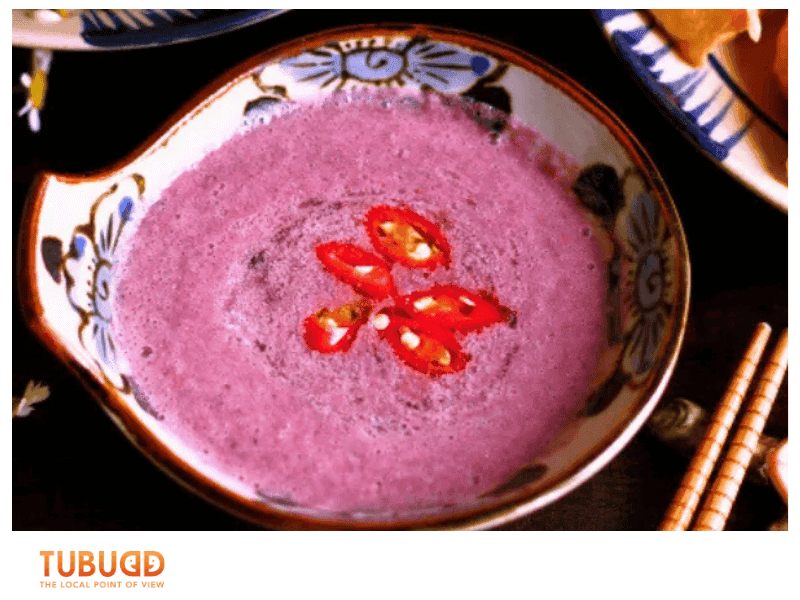
What makes Vietnamese shrimp paste so unique is its versatility. It can be used as a dipping sauce, a seasoning base, or a key ingredient in marinades. By itself, the paste is too strong, but when combined with lime juice, chili, sugar, and oil, it transforms into a savory dipping sauce bursting with complexity.
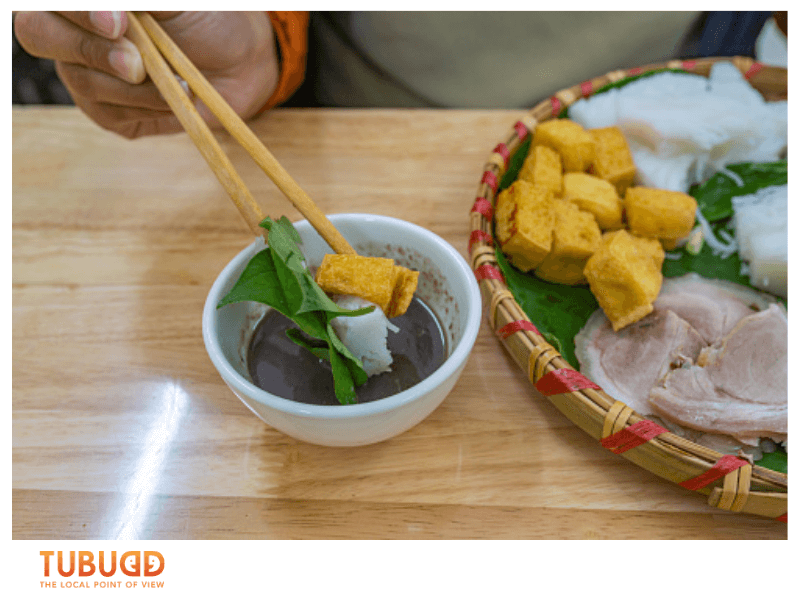
In daily Vietnamese meals, shrimp paste often accompanies boiled pork, fried tofu, or fresh vegetables. It enhances simple dishes with layers of umami. Street food vendors rely on it to give their offerings that extra punch, while home cooks use it to bring out the best in traditional recipes.
Restaurants across the country showcase shrimp paste in both humble and refined dishes, proving that this condiment transcends social and culinary boundaries. From street-side stalls in Hanoi to upscale eateries in Ho Chi Minh City, shrimp paste continues to hold a respected place on the table.
Iconic Dishes Made with Vietnamese Shrimp Paste
Iconic Dishes Made with Vietnamese Shrimp Paste
For travelers eager to explore authentic flavors, here are some must-try dishes featuring Vietnamese shrimp paste:
Bún đậu mắm tôm (Vermicelli with tofu and shrimp paste) Perhaps the most iconic dish associated with shrimp paste. It consists of fried tofu, rice vermicelli, fresh herbs, and sometimes pork or fried pork intestines, all served with a small bowl of shrimp paste sauce. Diners mix the sauce with lime juice, chili, and sugar to balance the strong flavor.
Chả cá Lã Vọng (Hanoi turmeric fish with dill) A legendary Hanoi specialty, this dish uses chunks of fish marinated with turmeric and shrimp paste. It is cooked tableside with dill and spring onions, then eaten with rice noodles and peanuts. Shrimp paste plays a subtle but crucial role in the marinade, giving the fish its rich depth.
Bún riêu (Crab noodle soup) While the soup base is tomato and crab-based, shrimp paste is added to elevate the umami flavor. It creates a hearty broth that is both tangy and savory, perfect for chilly mornings in northern Vietnam.
Grilled pork with shrimp paste marinade Pork skewers or patties are sometimes marinated with a mixture of shrimp paste, garlic, sugar, and spices before being grilled. The result is smoky, salty, and deeply aromatic meat that pairs beautifully with rice or noodles.
Stir-fried morning glory with shrimp paste A common home-cooked dish, stir-fried water spinach (rau muống xào) becomes extraordinary when seasoned with shrimp paste. The paste gives a salty, umami-rich flavor that makes the greens irresistible.
These dishes show how shrimp paste can be adapted across different cooking methods, grilling, frying, soups, and stir-fries, each highlighting its depth in unique ways.
Experiencing Shrimp Paste as a Traveler
For many first-time visitors, Vietnamese shrimp paste can be intimidating. Its strong smell and flavor might feel unusual compared to familiar condiments. However, trying it is one of the most authentic ways to connect with Vietnam’s food culture.
The best way to experience it is with a local. A Tubudd food buddy can introduce you to the right dishes, explain how to balance the shrimp paste with other condiments, and guide you through the cultural context of this ingredient. Instead of being overwhelmed, you will discover why locals love it and how it has become a defining flavor of the country.
Food in Vietnam is always more than sustenance, it is about gathering, sharing stories, and celebrating tradition. Sitting at a street-side stall, dipping tofu into shrimp paste sauce, and chatting with locals is an experience that goes beyond taste. It is a moment of cultural immersion that stays with you long after the meal ends.
Conclusion: The Flavor That Defines Vietnam
Among the many ingredients that shape Vietnamese cuisine, shrimp paste is one of the most unique. Its bold flavor, cultural history, and versatility make it a spice like no other. From iconic street food dishes to refined specialties, Vietnamese shrimp paste is a thread that ties together the culinary tapestry of the country.
For travelers seeking authentic flavors, it offers not just a taste but a story, a story of coastal life, fermentation traditions, and communal dining. If you are curious to experience this ingredient the local way, booking a Tubudd food buddy is the perfect choice. With their guidance, you can explore the dishes that feature shrimp paste, learn how to appreciate its flavors, and take home memories of meals that define Vietnam.