Vietnam Entry Requirements 2026 Checklist: Passport, Visa & Documents
Check the Vietnam entry requirements 2026 checklist, including passport validity, visa rules, e-visa applications, arrival declarations, and essential travel documents.
Planning a trip to Vietnam in 2026? Use this Vietnam entry requirements 2026 checklist to prepare your travel documents, check visa eligibility, and understand what to expect at immigration. At Tubudd, we recommend confirming your passport validity, permitted length of stay, and arrival procedures before departure. Requirements vary by nationality, travel purpose, and entry point, so always verify your situation through official Vietnamese immigration channels before travelling.
Vietnam Entry Requirements 2026: Quick Checklist
Vietnam Entry Requirements 2026: Quick Checklist
Before leaving for the airport, make sure you have checked the following:
Valid passport: Confirm that your passport meets the applicable entry and airline requirements.
Visa or visa exemption: Check whether your nationality qualifies for visa-free entry or requires a visa.
Approved e-visa: If you need an e-visa, obtain approval before travelling.
Correct travel details: Make sure your visa information matches your passport and planned dates.
Eligible entry point: Confirm that your intended border crossing accepts your visa type.
Travel itinerary: Keep your flight details and accommodation information accessible.
Pre-arrival declaration: Check the latest instructions for your arrival airport.
Additional documents: Prepare any supporting paperwork required for your specific travel purpose.
Not every traveller needs every item. Visa-exempt visitors may not need an e-visa, while those travelling for employment, study, or long-term residence may need additional approvals.
Passport Requirements for Vietnam in 2026
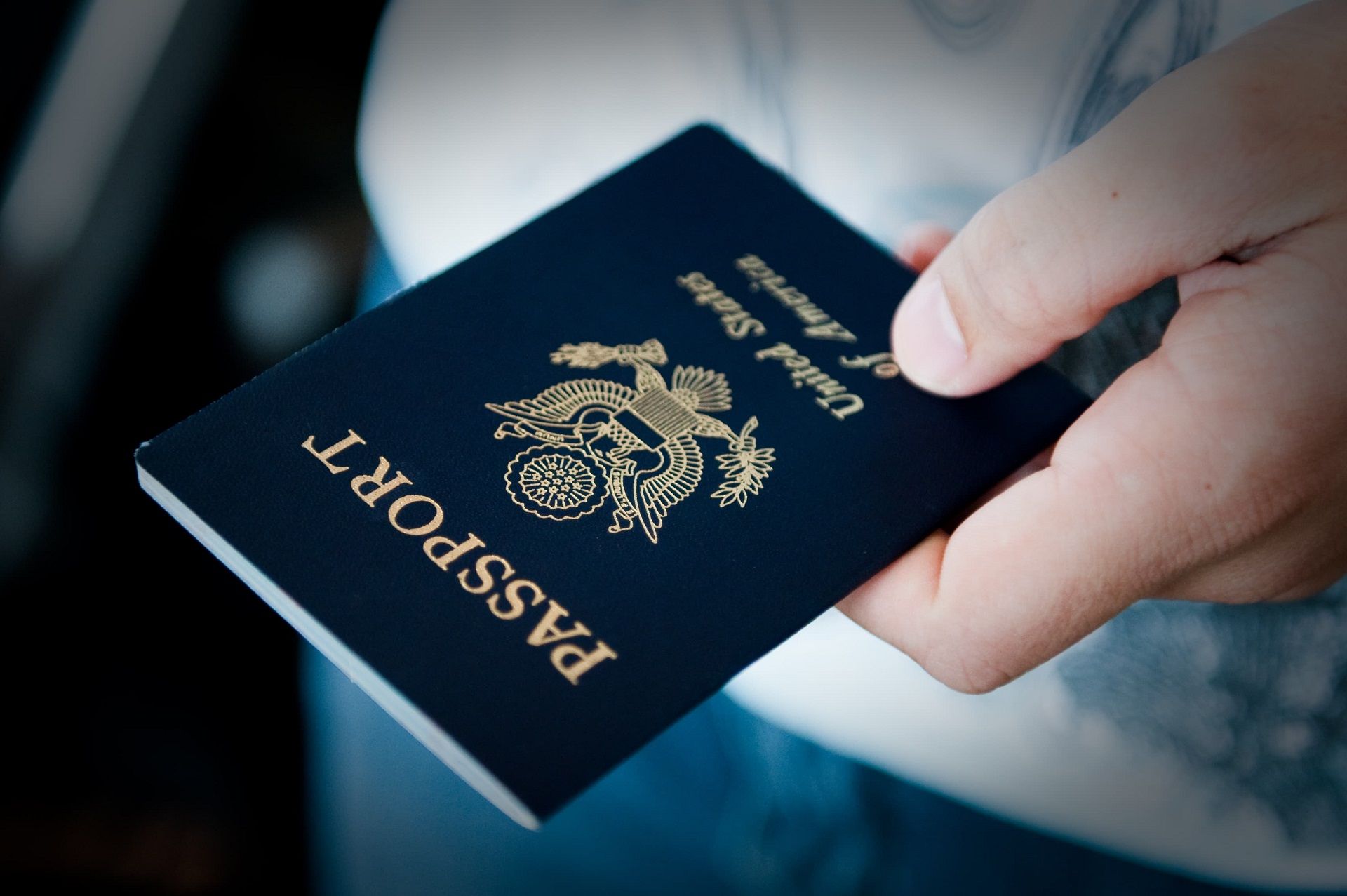
A valid passport is essential for entering Vietnam. Check the expiry date and condition of your passport well before departure, especially if you need to apply for a visa.
How long must your passport be valid?
Vietnam’s official e-visa application guidance requires applicants to hold a passport valid for more than six months. Check the current requirements for your specific entry arrangement, as passport rules and airline boarding checks may vary.
If your passport is close to expiry, contact the relevant Vietnamese immigration authority or embassy and your airline before travelling. Do not assume that a passport will be accepted simply because it remains valid on your arrival date.
What passport details should you check?
Before departure, confirm that:
Your passport is valid for your intended trip.
Your name and passport number match your visa, if applicable.
Your passport is in acceptable physical condition.
You can access your passport throughout your journey.
If you renew your passport after receiving a visa, do not assume the visa automatically transfers to your new document. Confirm the correct procedure with the relevant authority before travelling.
Do You Need a Visa to Enter Vietnam in 2026?
Your visa requirements depend on your nationality, travel purpose, and intended length of stay. Check your eligibility before booking non-refundable travel arrangements.
Visa-free entry to Vietnam
Vietnam offers visa exemptions to eligible passport holders under its unilateral exemption policy and applicable international agreements.
Under the unilateral exemption policy, eligible nationalities are generally permitted to stay for up to 45 days. However, not all nationalities qualify, and conditions can differ depending on the exemption arrangement.
Before departure, confirm:
Whether your passport qualifies for visa-free entry.
The maximum permitted stay.
Whether your travel purpose is covered by the exemption.
Any additional entry conditions that apply.
Visa-free entry does not automatically allow you to remain beyond the permitted period. If you plan to stay longer, check the relevant immigration procedures in advance.
Vietnam e-visa for eligible travellers
If you are not eligible for visa-free entry, a Vietnam electronic visa may be suitable for your trip.
Vietnam’s official e-visa system provides for visas valid for up to 90 days, with either single-entry or multiple-entry validity. The published government fees are:
Single-entry e-visa: US$25
Multiple-entry e-visa: US$50
These government fees are generally non-refundable if an application is refused. Always check the official portal for current fees and application conditions.
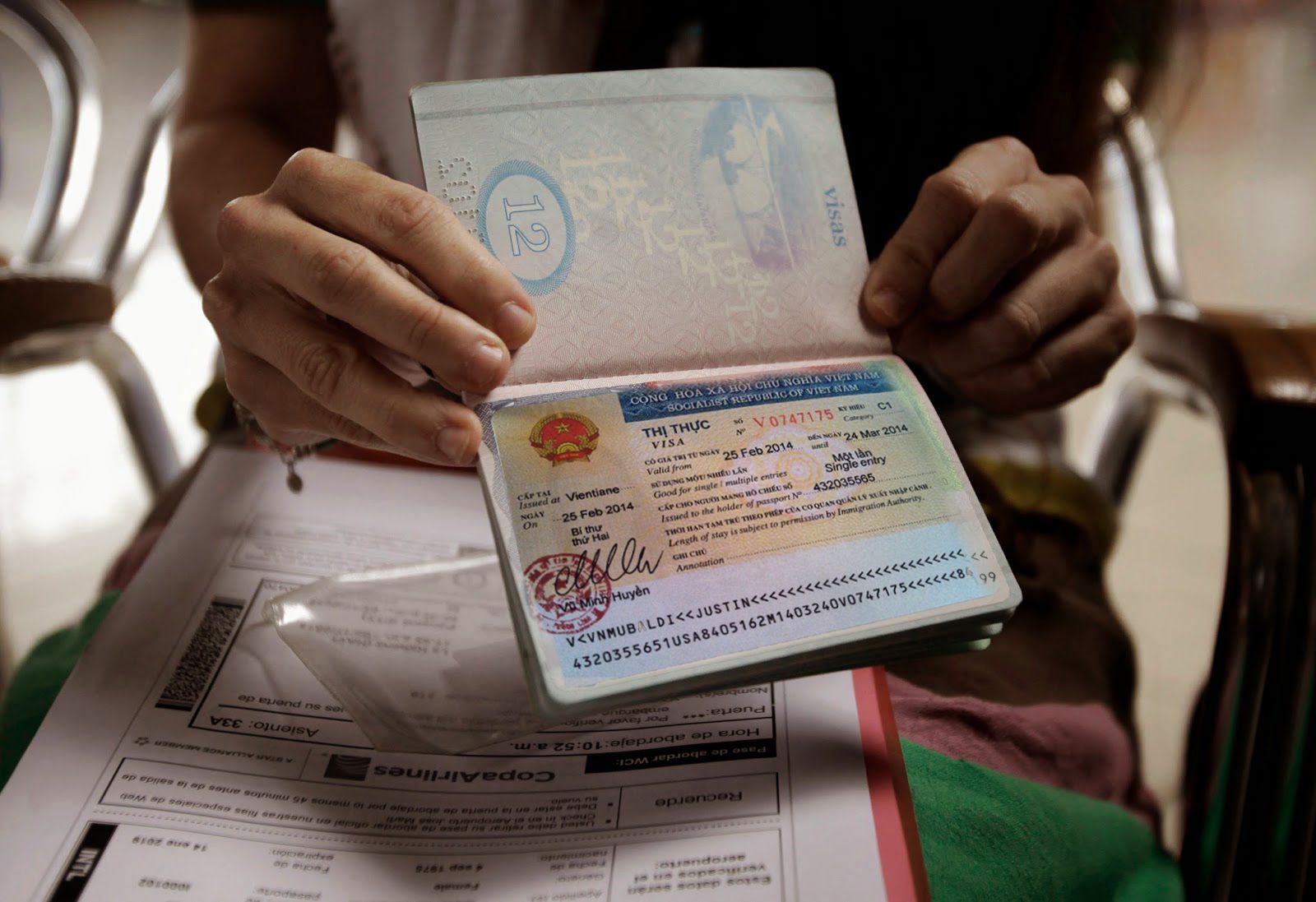
Apply through the official Vietnam e-visa portal. Enter your personal and travel details carefully, then check your approved visa for your name, passport number, validity dates, entry type, and permitted entry point.
What if you are travelling for work or study?
Tourist entry requirements are different from those for employment, education, and long-term residence. Depending on your circumstances, you may need another visa category, a sponsoring organisation, or additional approval documents.
Do not assume that a tourist e-visa authorises every type of activity in Vietnam. If your trip involves working, studying, or relocating, confirm the appropriate immigration category before applying.
Vietnam E-Visa Checklist: What to Prepare Before Applying
Prepare the necessary information before opening the online application. This makes it easier to complete the form accurately and avoid delays caused by missing or incorrect details.
You may need:
A valid passport or eligible travel document.
Personal information matching your passport.
A digital passport-style photograph and passport data image, where requested.
Your planned arrival and departure dates.
Your intended entry and exit points.
An accessible email address.
A payment method accepted by the official portal.
Follow the current application instructions, as technical specifications and form requirements may change.
How to apply for a Vietnam e-visa
How to apply for a Vietnam e-visa
Visit the official Vietnam e-visa website and complete the application using your correct passport and travel information. Review the details before submitting the form, pay the applicable government fee, and monitor your application status.
Once approved, download your e-visa and save a copy on your phone. Keeping a printed copy as a backup can also be useful.
Vietnam’s immigration guidance has indicated a processing period of around three working days, but this is not guaranteed. Apply well ahead of your departure date to allow time for delays or corrections.
Important: Submitting an application is not the same as receiving approval. If you need a visa, confirm that it has been approved before travelling.
Vietnam Pre-Arrival Declaration in 2026
Vietnam’s Pre-arrival Information (PAI) system allows travellers to submit selected personal, visa, and trip information before arriving in the country. After completing the declaration, travellers can save the generated QR code on a phone or print it for use during immigration procedures.
The system has been introduced at major international airports, including Noi Bai, Tan Son Nhat, Da Nang, Cam Ranh, and Phu Quoc. Its implementation requirements may change, so check the latest instructions for your specific airport before departure.
How to complete the pre-arrival declaration
Visit the official Vietnam Pre-arrival Information portal, select your preferred language, and follow the instructions to submit your information. Enter the requested personal, visa, and travel details accurately, then save the generated QR code.
Check the latest official guidance to confirm whether the declaration is required for your arrival. Do not rely on outdated travel advice or assume that the same procedure applies at every airport.
Remember: The pre-arrival declaration is not a visa application. If your nationality requires a visa, you must still obtain the appropriate approval.
Do You Need a Return Ticket or Proof of Accommodation?
Keep your travel itinerary and accommodation details accessible, even though these are not universal standalone entry requirements for every visitor.
Depending on your nationality, visa conditions, and individual circumstances, an airline or immigration officer may ask for additional information about your trip.
Useful details to have available include:
Return or onward flight information.
Your hotel reservation or accommodation address.
Your planned itinerary.
Contact details for a host or inviting organisation, if applicable.
Supporting documents related to your visa category.
If you are entering under a visa exemption, check the specific conditions that apply to your passport. Travellers using e-visas should pay particular attention to the approved visa and ensure that its details match their passports.
What Happens When You Arrive in Vietnam?
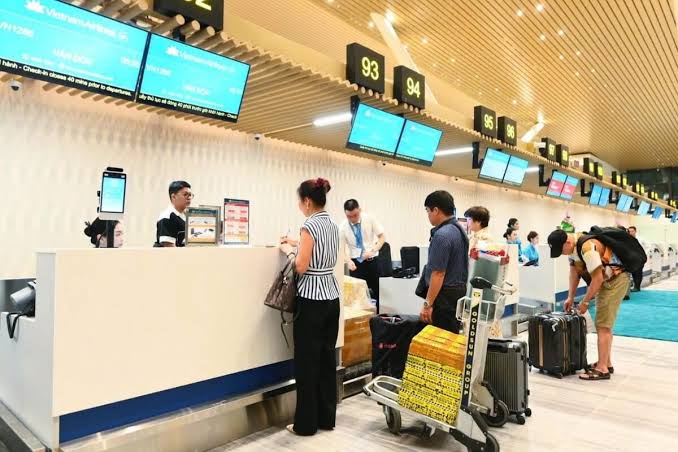
When you land in Vietnam, follow the airport signs to immigration and have your travel documents ready.
You may be asked to present your passport, approved visa or evidence of visa exemption, and any additional information required by immigration officers. If you completed the pre-arrival declaration, keep your QR code accessible in case it is requested.
After your documents have been checked, follow the airport’s instructions for baggage collection and customs.
Check your permitted length of stay
Your permitted stay depends on the visa or exemption conditions applicable to your entry, not simply the number of days you intended to spend in Vietnam.
Check the relevant validity or permitted-stay date and keep a record of it. If you plan to remain longer, investigate the applicable immigration procedure before your authorised stay ends. Do not assume that an extension will be available automatically.
Special Considerations for Families and Different Travel Purposes
Some travellers need to check additional requirements beyond the standard tourist checklist.
Travelling with children: Confirm that each child has the required travel document and visa or exemption eligibility. Depending on the circumstances, additional consent or supporting documents may be relevant when a child travels without one or both parents.
Business travel: Make sure your visa or entry arrangement is appropriate for your planned activities. Attending meetings and undertaking employment may be subject to different rules.
Long-term stays: If you intend to work, study, join family, or relocate to Vietnam, research the relevant immigration category before departure. A short-term tourist visa may not meet your needs.
Connecting flights: If you remain in the international transit area, your requirements may differ from those of travellers entering Vietnam. If you need to pass through immigration, collect baggage, or change airports, check whether you need permission to enter the country.
Common Mistakes to Avoid Before Travelling to Vietnam
Common Mistakes to Avoid Before Travelling to Vietnam
A few simple checks can help prevent avoidable delays.
Using unofficial visa websites: Apply through the official government portal.
Entering incorrect passport details: Check your name and passport number before submitting an application.
Travelling before visa approval: If you need a visa, make sure it has been approved.
Overlooking validity dates: Confirm that your visa covers your intended travel dates.
Choosing the wrong entry point: Verify that your planned border crossing accepts your visa type.
Ignoring updated arrival instructions: Check the latest guidance for your airport and airline.
Assuming visa-free entry allows an unlimited stay: Confirm the permitted period for your nationality.
Preparing at the last minute: Leave enough time to correct application errors or obtain additional documents.
Final Vietnam Entry Requirements 2026 Checklist
Before leaving for the airport, review this final checklist:
My passport meets the applicable validity requirements.
I have confirmed whether I need a visa.
My e-visa has been approved, if required.
My passport and visa details match.
My travel dates and entry point are consistent with my visa.
I have checked the latest pre-arrival instructions for my airport.
I have saved my flight and accommodation details.
I understand my permitted length of stay.
I have prepared any additional documents required for my travel purpose.
I have saved copies of essential documents on my phone and, where practical, on paper.
Conclusion
Preparing for your trip is easier when you review the Vietnam entry requirements 2026 checklist before departure. Start by checking your passport, confirming whether you qualify for visa-free entry or need an approved e-visa, and reviewing the latest arrival procedures for your airport. For the most reliable information, use the official Vietnam e-visa portal and Pre-arrival Information portal rather than relying solely on third-party websites. Once your documents are ready, you can focus on enjoying your trip. To explore Vietnam with an itinerary tailored to your interests, discover Tubudd’s customised tours.