4 Days in Da Nang and Hoi An: The Perfect Itinerary for First-Time Visitors
Planning 4 days in Da Nang and Hoi An? Discover the best beaches, cultural attractions, local food, day trips, and travel tips for your Vietnam itinerary.
Planning 4 days in Da Nang and Hoi An gives you enough time to experience Central Vietnam’s beautiful beaches, scenic landscapes, historic streets, and local food without rushing between destinations. Da Nang offers a modern coastal atmosphere, while Hoi An charms visitors with its lantern-lit Ancient Town and traditional architecture. At Tubudd, we recommend splitting your time between both cities, with Da Nang as your base for beaches and day trips and Hoi An for culture, cuisine, and a slower pace of travel.
Is 4 Days Enough for Da Nang and Hoi An?
Is 4 Days Enough for Da Nang and Hoi An?
Yes, four days is a good amount of time for a first visit to Da Nang and Hoi An. The cities are relatively close, making it possible to explore both without spending too much time travelling.
A balanced itinerary could include:
Day 1: Explore Da Nang’s beaches, city centre, and riverside.
Day 2: Visit the Marble Mountains and enjoy the scenery around Son Tra Peninsula.
Day 3: Explore Hoi An Ancient Town, local markets, and lantern-lit streets.
Day 4: Visit the Bay Mau Coconut Forest and enjoy Hoi An’s countryside before departure.
You can adjust the plan depending on your arrival time, departure schedule, and interests. If you prefer theme parks and panoramic views, consider replacing part of the city itinerary with Ba Na Hills.
Day 1: Discover Da Nang’s Beaches and City Centre
Start your trip by exploring Da Nang’s coastline and central attractions. This is a relaxed way to get familiar with the city after travelling.
Morning: Enjoy My Khe Beach
Begin at My Khe Beach, one of Da Nang’s best-known coastal attractions. The long sandy shoreline is ideal for a morning walk, swimming when conditions are safe, or simply enjoying the sea breeze.
If you arrive early, you can see local residents exercising, walking along the beach, and enjoying breakfast nearby. After your visit, stop at a local café for Vietnamese coffee before continuing into the city.
Afternoon: Explore Da Nang’s city centre
Head towards the Han River and explore the surrounding streets. You can visit Han Market to browse local products, snacks, and souvenirs, or stop at a nearby restaurant to try Central Vietnamese dishes.
For lunch, consider mì Quảng, a regional noodle dish served with herbs, peanuts, and a small amount of broth. Another popular option is bún chả cá, a fish cake noodle soup commonly found in Da Nang.
Evening: Walk along the Han River
Spend the evening along the Han River, where bridges and modern buildings create a lively waterfront atmosphere. Dragon Bridge is one of the city’s most recognisable landmarks.
Walk along the Han River
If your visit falls on a weekend, check the current schedule for the Dragon Bridge fire and water show. Showtimes and traffic arrangements can vary, so verify local information before planning your evening around it.
Finish with dinner at a local restaurant or explore Da Nang’s night markets if you want to sample more street food.
Day 2: Visit Marble Mountains and Son Tra Peninsula
Spend your second day exploring the natural and cultural attractions around Da Nang. These sites offer a different perspective from the beaches and city centre.
Morning: Explore the Marble Mountains
The Marble Mountains are a group of limestone and marble hills featuring caves, pagodas, stairways, and viewpoints. Visitors can explore the religious sites and natural formations while learning about the area’s spiritual significance.
Wear comfortable shoes because some paths and steps can be steep or uneven. Bring water and allow enough time to explore without rushing. If you have mobility limitations, check which sections are accessible before visiting.
Afternoon: Discover Son Tra Peninsula
Continue to Son Tra Peninsula, known for its forested hills, coastal scenery, and panoramic viewpoints. One of its main attractions is Linh Ung Pagoda, home to the prominent Lady Buddha statue overlooking the sea.
Take time to enjoy the views and observe local wildlife from a respectful distance. If you travel by motorbike, be cautious on winding roads and check local access restrictions. Alternatively, arrange a taxi or guided excursion.
Evening: Enjoy Da Nang’s local food
Return to the city for dinner. Da Nang has plenty of casual restaurants serving seafood and regional specialities.
If you enjoy trying local dishes, look for bánh tráng cuốn thịt heo, rice paper rolls with pork and fresh herbs, or sample another bowl of mì Quảng. Finish the evening at a café or return to the beach for a quiet walk.
Day 3: Experience Hoi An Ancient Town
Experience Hoi An Ancient Town
Hoi An is around 30 kilometres from central Da Nang, although travel time depends on traffic and your starting point. You can visit on a day trip or stay overnight if you prefer to experience the Ancient Town after most day-trippers leave.
Morning: Walk through the Ancient Town
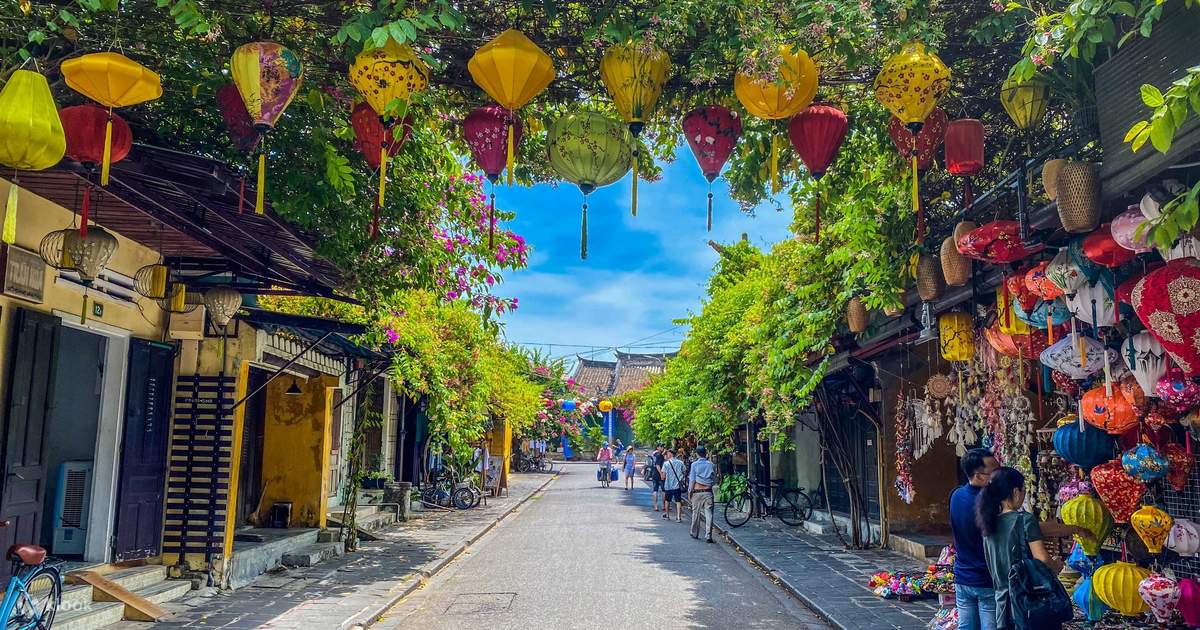
Start early to explore Hoi An’s historic streets before the busiest part of the day. The Ancient Town is known for its yellow merchant houses, traditional architecture, Chinese assembly halls, and Japanese Covered Bridge.
Walk along the narrow streets, visit independent shops, and discover small courtyards tucked behind historic façades. If you want to enter heritage buildings or museums, check the current ticket arrangements and opening hours.
Hoi An is also a good place to learn about the region’s trading history, when merchants from different countries helped shape the town’s architecture and culture.
Afternoon: Explore local markets and cafés
Visit Hoi An Central Market to see fresh produce, local ingredients, and everyday trading activity. It is also a convenient place to try regional food.
Popular dishes include cao lầu, a noodle speciality associated with Hoi An, and white rose dumplings, delicate dumplings traditionally filled with shrimp or pork.
After lunch, take a break at a local café or browse shops selling lanterns, textiles, and handmade crafts. If you are interested in tailoring, compare prices, lead times, and fitting arrangements before placing an order.
Evening: Enjoy Hoi An’s lantern-lit streets
As evening approaches, the Ancient Town becomes especially atmospheric, with colourful lanterns illuminating the streets and the Thu Bon River.
You can enjoy dinner beside the river, browse the night market, or take a boat ride if available. Boat operators may charge separately for rides and lantern-related activities, so agree on the price before boarding.
Hoi An can become crowded after sunset. If you prefer a quieter experience, explore the smaller streets away from the busiest riverside areas and main pedestrian routes.
Day 4: Visit the Coconut Forest and Enjoy Hoi An’s Countryside
For your final day, explore the countryside around Hoi An before returning to Da Nang or continuing your journey.
Morning: Take a basket boat ride at Bay Mau Coconut Forest
The Bay Mau Coconut Forest, often called Coconut Village, is located in Cam Thanh on the outskirts of Hoi An. Its waterways are surrounded by water coconut palms, making it a popular place to experience a traditional round basket boat.
Take a basket boat ride at Bay Mau Coconut Forest
A local operator typically guides visitors through the waterways. Depending on the package, you may also see basket boat performances or take part in simple local activities.
Confirm the total price, ride duration, and included services before booking. If you prefer a quieter experience, ask about visiting earlier in the day.
Afternoon: Slow down in the countryside
After the boat ride, spend some time exploring Hoi An’s quieter surroundings. Depending on your interests, you could cycle along rural lanes, visit a local café, or enjoy a relaxed lunch away from the busiest streets.
If you would rather spend your final hours in the Ancient Town, return for souvenir shopping or revisit a favourite café. Leave enough time to travel back to Da Nang, especially if you have a flight that afternoon or evening.
Alternative: Visit Ba Na Hills
If you prefer panoramic views, mountain scenery, and large-scale attractions, consider visiting Ba Na Hills instead of the Coconut Forest and countryside.
The complex is famous for its cable car system and Golden Bridge, held by two giant stone-like hands. It usually requires a substantial part of the day, so check current ticket prices, operating hours, weather conditions, and transport arrangements before going.
Ba Na Hills is a better choice for visitors who enjoy theme-park attractions and scenic viewpoints, while the Coconut Forest offers a more locally focused experience.
How to Travel Between Da Nang and Hoi An
Travelling between the two destinations is relatively straightforward. The best option depends on your budget, comfort preferences, and whether you plan to make stops along the way.
Taxi or ride-hailing service: Convenient for couples, families, and travellers carrying luggage.
Private car: Useful for groups or visitors who want to combine several attractions in one day.
Motorbike: Offers flexibility, but only ride if you are legally permitted and comfortable with local traffic.
Shuttle or organised tour: A practical choice if you prefer not to arrange transport independently.
Bicycle: Better suited to exploring Hoi An and its immediate countryside than travelling between the city centres.
You can stay in Da Nang for all four nights and make a day trip to Hoi An, or spend one or two nights in Hoi An for a more relaxed experience. Staying overnight in Hoi An is particularly appealing if you want to enjoy the Ancient Town early in the morning and after sunset.
How Much Does a 4-Day Da Nang and Hoi An Trip Cost?
Your total budget depends on your accommodation, transport, dining preferences, and chosen activities. The following estimates are illustrative planning ranges per person, excluding flights to Vietnam.
Expense
Estimated budget
Budget accommodation
150,000–400,000 VND/night
Mid-range accommodation
500,000–1,500,000 VND/night
Local meals
150,000–350,000 VND/day
Local transport
100,000–400,000 VND/day
Attractions and activities
300,000–1,000,000 VND for the trip
These are broad estimates rather than confirmed current prices. Accommodation rates, admission fees, and transport costs can change with season and demand. Check individual providers before finalising your budget.
For a four-day trip, allow extra money for shopping, cafés, seafood, private transfers, and optional tours.
Best Time to Visit Da Nang and Hoi An
Central Vietnam generally has a warmer, drier period during much of spring and summer, while the rainy season typically brings wetter conditions from around September into the end of the year. Exact conditions vary annually.
From roughly February to August, beach activities and outdoor sightseeing are often easier to plan, although summer can be hot and sunny. From September to January, rain and occasional flooding can affect Hoi An and nearby attractions.
Before travelling, check the weather forecast and local advisories. During heavy rain or flooding, follow local guidance and be prepared to change outdoor plans.
Conclusion
Spending 4 days in Da Nang and Hoi An lets you combine beaches, mountain scenery, regional cuisine, historic architecture, and local countryside experiences in one trip. Explore Da Nang’s coastline and landmarks first, then devote time to Hoi An’s Ancient Town and the surrounding villages. Adjust the itinerary to suit your pace, whether you prefer outdoor adventures, cultural activities, or relaxed café stops. For a more personal experience of Central Vietnam, explore Tubudd’s customised tours and build an itinerary around the places and activities that interest you most.