Find out how much money to bring to Vietnam for 1 week, with estimated budgets for accommodation, food, transport, activities, and daily expenses.
Planning a trip and wondering how much money to bring to Vietnam for 1 week? Vietnam offers travel experiences for every budget, from affordable street food and budget hotels to luxury resorts and private tours. Most travelers can plan for around 250–700 per person for seven days, excluding international flights, depending on their travel style and activities. With Tubudd, you can also connect with Local Buddies to discover authentic local experiences and explore Vietnam beyond the usual tourist attractions. This guide breaks down typical travel expenses, explains how much cash to carry, and shares practical tips to help you plan your budget.
How Much Money Do You Need for 1 Week in Vietnam?
How Much Money Do You Need for 1 Week in Vietnam?
Your budget depends on where you stay, how you travel, and which activities you choose. Budget travelers can keep expenses relatively low by eating local food and using affordable transportation, while luxury travelers may spend significantly more on hotels, private transfers, and premium experiences.
Travel style
Estimated daily budget
Estimated 7-day budget
Budget
25–45
175–315
Mid-range
50–100
350–700
Luxury
150–300+
1,050–2,100+
These estimates generally cover accommodation, meals, local transportation, and sightseeing. International flights, visa fees, travel insurance, major shopping purchases, and some premium activities may cost extra.
For many first-time visitors, 500–700 per person is a reasonable starting budget for a week in Vietnam. This allows for private accommodation, a mix of local restaurants and cafés, convenient transportation, and several paid activities. Travelers visiting multiple cities or booking premium tours should consider a larger budget.
Vietnam Travel Budget Breakdown for 7 Days
Accommodation Costs
Vietnam offers a wide range of accommodation, from hostel dormitories to boutique hotels and luxury resorts.
Accommodation type
Estimated cost per night
Hostel dormitory
5–15
Budget hotel or guesthouse
15–35
Mid-range hotel
35–80
Luxury hotel or resort
100–300+
For seven nights, a budget traveler might spend 35–105 on hostel accommodation, while a mid-range hotel could cost 245–560 for a private room.
Prices vary by destination and season. Booking ahead and choosing accommodation near your planned activities can help reduce costs, especially during holidays and peak travel periods. Couples and friends sharing a room may also save money per person.
Food and Drinks
Food is one of the easiest expenses to manage in Vietnam. Local dishes such as pho, banh mi, bun cha, and com tam are widely available at affordable prices.
Food or drink
Estimated cost
Banh mi or simple breakfast
1–3
Pho or noodle soup
2–5
Local restaurant meal
3–8
Coffee or fresh juice
1–3
Mid-range restaurant meal
8–20
Upscale dining
25–60+
If you mainly eat local food, budget around 8–15 per day. If you prefer cafés, international restaurants, and occasional fine dining, 20–40 or more per day may be more realistic.
Food and Drinks in Vietnam
For seven days, approximately 56–105 can cover food for a budget traveler, while a more varied dining experience may cost 140–280 or more.
Transportation Costs
Transportation costs depend on whether you stay in one city or travel across Vietnam.
Transportation option
Estimated cost
Public bus
0.30–1 per ride
Short ride-hailing trip
1–5
Longer city ride
5–15+
Intercity bus
5–25+
Train journey
10–60+
Domestic flight
30–150+
For a week spent mainly in one city, 20–50 may be enough for local transportation. A multi-city itinerary involving domestic flights or long-distance trains will require a larger allowance.
Compare fares before booking, and remember to include baggage fees, airport transfers, and transportation between stations and your accommodation.
Attractions and Activities
Vietnam offers plenty of affordable sightseeing opportunities, alongside guided tours and premium excursions.
Activity
Estimated cost
Museum or cultural attraction
1–10
Guided walking or food tour
15–50
Cooking class
20–50
Guided day trip
25–100+
Premium private excursion
80–200+
Consider allocating 30–100 for basic sightseeing or 100–300+ if you plan to join several organized tours.
Choose activities based on your interests rather than trying to fit everything into one trip. If you want to explore local neighborhoods, cuisine, and cultural experiences, Tubudd's customized Vietnam tours can help you discover experiences suited to your itinerary.
Shopping and Miscellaneous Expenses
Small purchases can add up during a week-long trip. Consider setting aside approximately 30–100 for expenses such as:
SIM cards and mobile data.
Laundry and personal necessities.
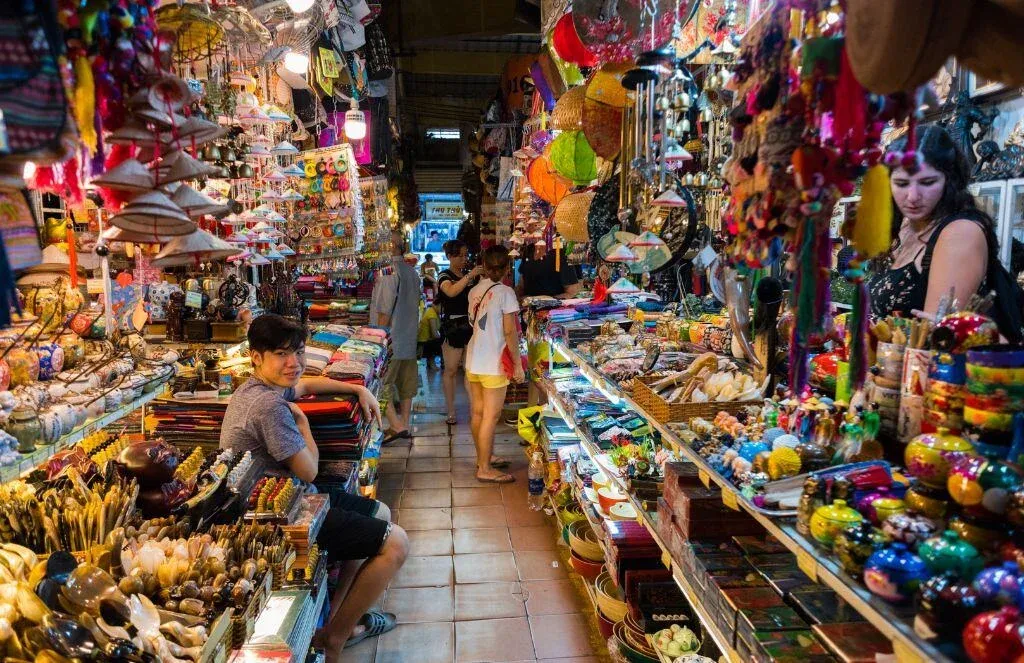
Souvenirs and local handicrafts.
Tips and incidental purchases.
Unexpected transportation expenses.
These amounts are estimates, so adjust them according to your shopping plans. Keeping an emergency reserve of around 10%–15% of your estimated budget can also provide extra flexibility.
How Much Cash Should You Bring to Vietnam?
Your total travel budget is not the same as the amount of physical cash you need to carry. You might spend $500 during your trip but pay for hotels, flights, and tours online or by card.
For everyday spending, carrying around 500,000–1,000,000 VND (20–40) in cash can be a useful starting point for travelers staying mainly in major cities. You may need more when visiting rural destinations, shopping at local markets, or paying for activities that do not accept cards.
A practical approach is to:
Carry cash for small purchases: Street food, local markets, and small shops may prefer cash.
Use cards where accepted: Hotels, larger restaurants, and established businesses may accept international cards.
Keep emergency money separate: Avoid carrying your entire budget in your wallet.
Check ATM fees: Your home bank and the local ATM provider may charge withdrawal fees.
Vietnam uses the Vietnamese đồng (VND). ATMs are widely available in major cities, but access and card acceptance can be more limited in rural areas. Keep a backup payment method in case your primary card does not work.
Should You Bring US Dollars or Vietnamese Dong?
Vietnamese đồng is the most practical currency for everyday purchases. Although some tourist businesses may quote prices in US dollars, local restaurants, markets, and most small vendors generally expect payment in VND.
Should You Bring US Dollars or Vietnamese Dong?
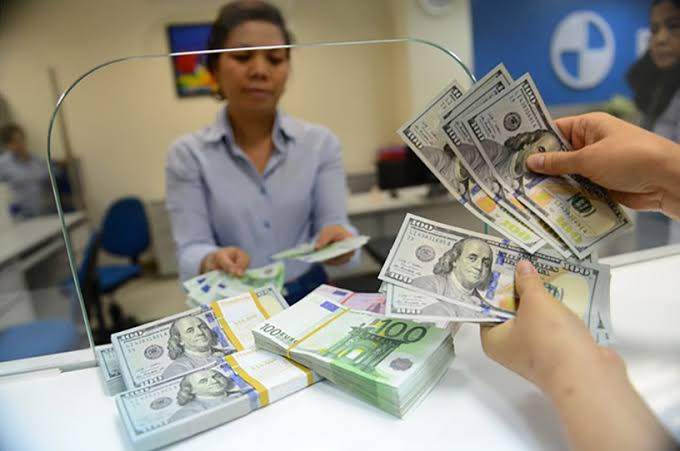
If you arrive with US dollars or another foreign currency, exchange money through reputable banks or authorized exchange providers. Alternatively, withdraw VND from an ATM that accepts your international card.
Keep these tips in mind:
Compare exchange rates and commissions before exchanging money.
Check your bank's foreign transaction and ATM withdrawal fees.
Carry smaller banknotes for inexpensive purchases.
Do not assume that local vendors will accept US dollars.
Check the denomination carefully when paying, as Vietnamese banknotes have large numerical values.
Exchange rates fluctuate, so check the current rate before your trip rather than relying on a fixed conversion estimate.
How to Save Money During a 1-Week Trip to Vietnam
A few simple choices can help you enjoy Vietnam without exceeding your budget.
Choose Accommodation Strategically
Compare hotel prices and locations before booking. A centrally located room may cost more but save money on transportation. Check whether breakfast, taxes, and airport transfers are included in the advertised price.
Eat Local Food
Local eateries and street-food stalls can offer excellent value. Try regional specialties instead of relying exclusively on international restaurants. Choose vendors with good food-handling practices and freshly prepared dishes.
Compare Transportation Options
Use public buses or ride-hailing apps for local journeys where practical. For longer distances, compare flights, trains, and intercity buses, including additional fees and transfers.
Plan Activities in Advance
Compare tour prices and check whether transportation, meals, entrance tickets, and guide services are included. Balancing paid excursions with free sightseeing can help you control costs.
Track Your Daily Spending
Set a daily allowance for meals, transportation, and activities. You do not need to spend the same amount every day, but tracking expenses helps you identify when to adjust your plans.
Is $500 Enough for 1 Week in Vietnam?
Yes, $500 can be enough for one week in Vietnam if your international flights are already paid for and you choose accommodation and activities carefully. This budget gives you approximately $71 per day.
Here is one way to allocate $500 across seven days:
Expense
Estimated budget
Accommodation
$175
Food and drinks
$105
Local transportation
$50
Attractions and activities
$100
Miscellaneous expenses
$40
Emergency reserve
$30
Total
$500
This is an illustrative budget rather than a guaranteed price list. It assumes economical accommodation and a relatively simple itinerary, without expensive domestic flights or premium excursions.
If you share accommodation with another traveler, you may be able to reduce your costs. However, luxury hotels, private guides, shopping, and multi-city travel can quickly increase your spending.
For a more comfortable trip with better hotels and several organized activities, consider budgeting 700–1,000 or more per person.
Conclusion
For a one-week trip to Vietnam, 250–700 per person, excluding international flights, is a useful starting range for budget and mid-range travel, while luxury trips can cost considerably more. Plan your total expenses separately from the physical cash you carry, keep a backup payment method, and reserve some money for unexpected costs. To make your journey more personal and discover experiences beyond the usual tourist attractions, explore Tubudd's customized Vietnam tours and connect with local experts who can help you experience Vietnam in a way that suits your interests.