What Is Vietnam Time Zone? A Complete Guide for Travelers and Remote Workers
What is Vietnam time zone? Discover Vietnam’s official time zone, UTC offset, daylight saving details, time differences with major countries, and practical travel tips for planning your trip.
Understanding Vietnam’s time zone is essential for booking flights, coordinating international meetings, and avoiding confusion when traveling across different regions of the country. In this detailed guide, we’ll explain Vietnam’s official time zone, whether the country uses daylight saving time, how it compares to other major global cities, and what travelers should know before arrival.
Vietnam’s Official Time Zone Explained
Vietnam’s Official Time Zone Explained
Vietnam operates under a single, unified time zone across the entire country.
The official time zone of Vietnam is:
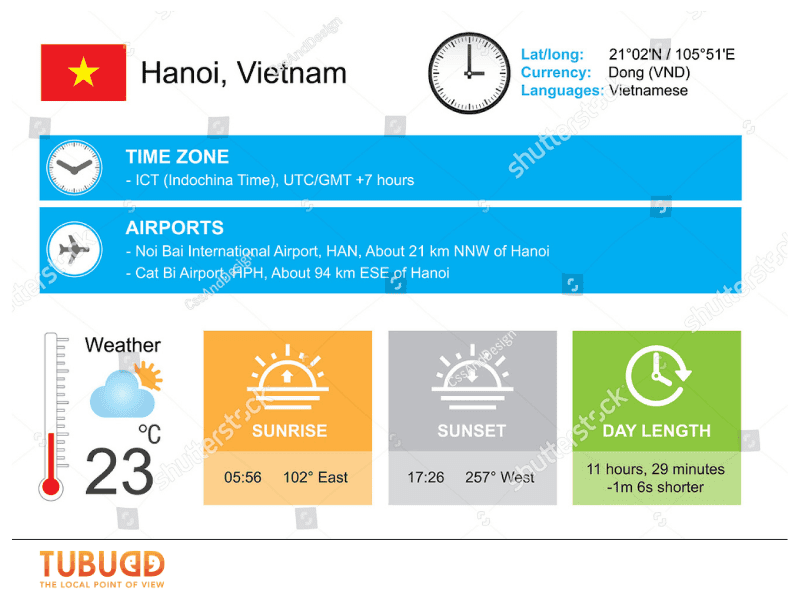
Indochina Time (ICT) – UTC+7
This means Vietnam is seven hours ahead of Coordinated Universal Time (UTC+7).
Unlike some large countries that span multiple time zones, Vietnam maintains the same time nationwide. Whether you are in the capital city of Hanoi in the north, the coastal hub of Da Nang, or the southern metropolis of Ho Chi Minh City, the time remains exactly the same.
This single time zone system simplifies domestic travel and communication within the country.
Does Vietnam Use Daylight Saving Time?
Does Vietnam Use Daylight Saving Time?
One important detail when asking what is Vietnam time zone is whether the country adjusts clocks seasonally.
Vietnam does not observe Daylight Saving Time (DST).
The country remains on UTC+7 all year round, without moving clocks forward or backward. This consistency makes scheduling easier, especially for long-term travelers, digital nomads, and businesses working with Vietnamese partners.
However, because many Western countries do observe DST, the time difference between Vietnam and other nations can change depending on the season.
For example:
When the United States switches to daylight saving time, the time gap between Vietnam and cities like New York shifts slightly.
European countries that observe summer time also experience seasonal time difference changes with Vietnam.
Always double-check time conversions during March and October when many countries adjust clocks.
Time Difference Between Vietnam and Major Cities
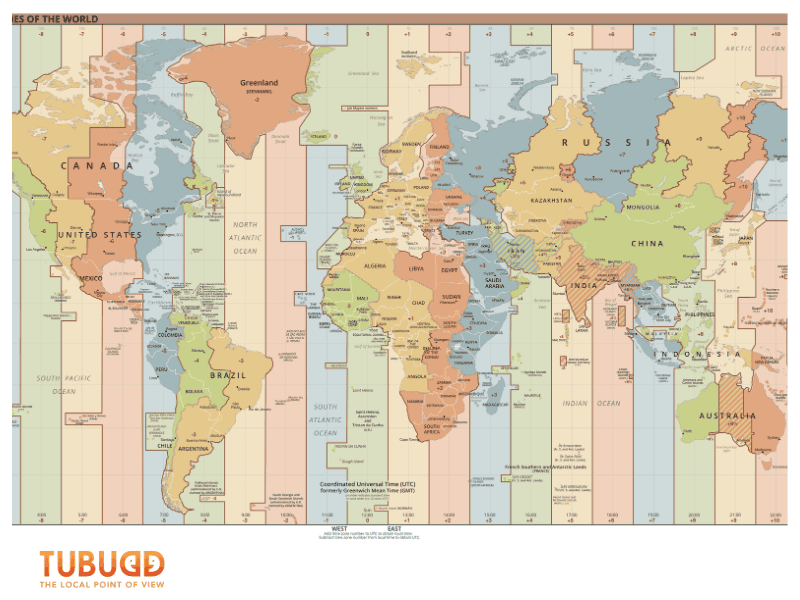
To better understand what is Vietnam time zone in a global context, here’s how it compares with major international cities (standard time comparisons may vary slightly during DST periods):
Vietnam (UTC+7) compared to:
London (UTC+0 in winter): Vietnam is 7 hours ahead
Paris (UTC+1 in winter): Vietnam is 6 hours ahead
New York City (UTC-5 in winter): Vietnam is 12 hours ahead
Los Angeles (UTC-8 in winter): Vietnam is 15 hours ahead
Tokyo (UTC+9): Vietnam is 2 hours behind
Sydney (UTC+10 standard): Vietnam is 3 hours behind
Because Vietnam is in Southeast Asia, its time zone aligns with several neighboring countries, including Thailand and Cambodia.
Why Vietnam Uses Only One Time Zone
Why Vietnam Uses Only One Time Zone
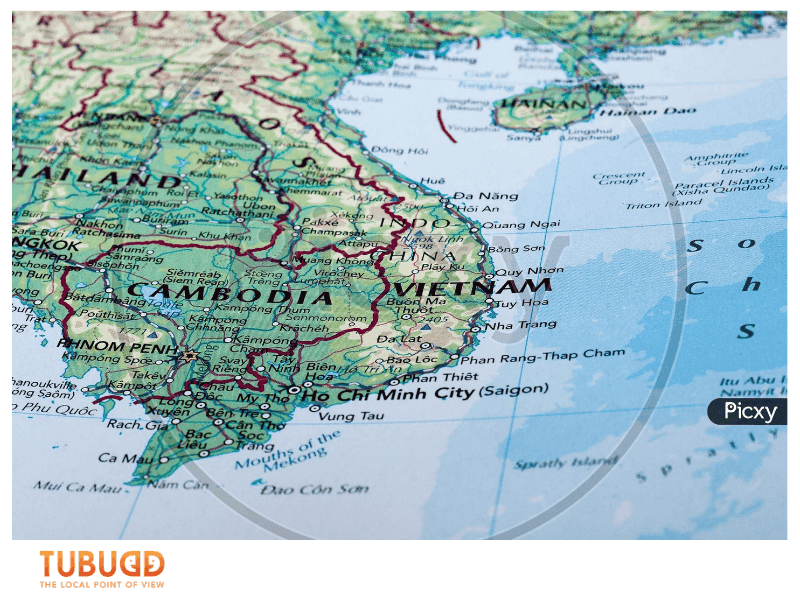
Geographically, Vietnam stretches over 1,600 kilometers from north to south, but its east-to-west width is relatively narrow. This makes maintaining one time zone practical and efficient.
Countries with large horizontal spans (like the United States or Russia) require multiple time zones. In contrast, Vietnam’s territory fits comfortably within UTC+7 without significant daylight discrepancies between regions.
For travelers, this means:
No need to adjust your watch when flying domestically
No time changes when traveling between northern mountains and southern beaches
Easier itinerary planning
Whether you're exploring Sapa in the north or relaxing on the beaches of Phu Quoc in the south, the time stays consistent.
Practical Travel Tips Related to Vietnam Time Zone
Understanding what is the Vietnam time zone is helpful, but applying that knowledge makes your trip smoother.
1. Adjusting to Jet Lag
If you're traveling from Europe or North America, expect a significant time shift. A 6–15 hour difference can disrupt sleep schedules.
To reduce jet lag:
Adjust your sleep schedule a few days before departure.
Stay hydrated during flights.
Try to align with local time immediately upon arrival.
Spend time outdoors in natural sunlight.
2. Flight Arrival Times
Many international flights land late at night or early in the morning. Since Vietnam operates on UTC+7 consistently, you won’t face unexpected time adjustments domestically but always confirm local arrival times when booking airport transfers.
3. Business and Remote Work Scheduling
Vietnam has become increasingly popular among digital nomads and remote workers. If you work with teams in Europe or the United States, consider overlapping work hours carefully.
For example:
Morning in Vietnam overlaps with late night in North America.
Late afternoon in Vietnam overlaps with early morning in Europe.
Clear scheduling avoids missed meetings and confusion.
4. Public Transport and Operating Hours
Most government offices and businesses operate between 8:00 AM and 5:00 PM local time. Restaurants and night markets often stay open much later, especially in major cities like Hanoi and Ho Chi Minh City.
Because there is no daylight saving time, sunrise and sunset patterns remain relatively stable throughout the year compared to countries further from the equator.
Common Questions About Vietnam Time Zone
Is Vietnam the same time as Thailand? Yes. Both countries operate on UTC+7.
Is Vietnam ahead of Japan? No. Japan (UTC+9) is two hours ahead of Vietnam.
Does Vietnam ever change its time zone? No. Vietnam has consistently used UTC+7 for decades and does not change clocks seasonally.
Is there any time difference within Vietnam? No. The entire country shares one official time zone.
Final Thoughts
So, what is the Vietnam time zone? The answer is simple: Vietnam operates on Indochina Time (ICT), which is UTC+7, and the country does not observe daylight saving time.
This consistency makes travel, domestic transportation, and business scheduling easier for visitors and locals alike. Whether you’re planning a holiday across multiple cities or organizing international meetings, understanding Vietnam’s time zone ensures smooth coordination and stress-free planning.
By keeping UTC+7 in mind and accounting for daylight saving changes in your home country, you can confidently manage flights, tours, and appointments throughout your journey in Vietnam.