Vietnam Visa on Arrival vs E-Visa Which Is Better in 2026?
Vietnam visa on arrival vs e-visa which is better in 2026? Compare eligibility, costs, processing time, validity, and application requirements.
Wondering vietnam visa on arrival vs e-visa which is better for your trip? Both options require preparation before traveling, but they differ in eligibility, application procedures, and how you receive your visa. In this guide, Tubudd explains the key differences, required documents, and important considerations to help you understand which visa option may fit your travel plans.
Vietnam Visa on Arrival vs E-Visa: What's the Difference?
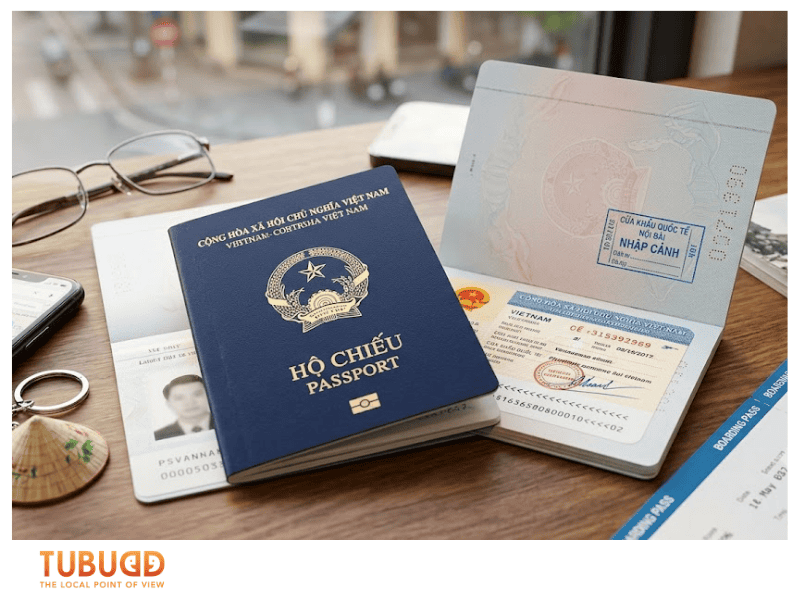
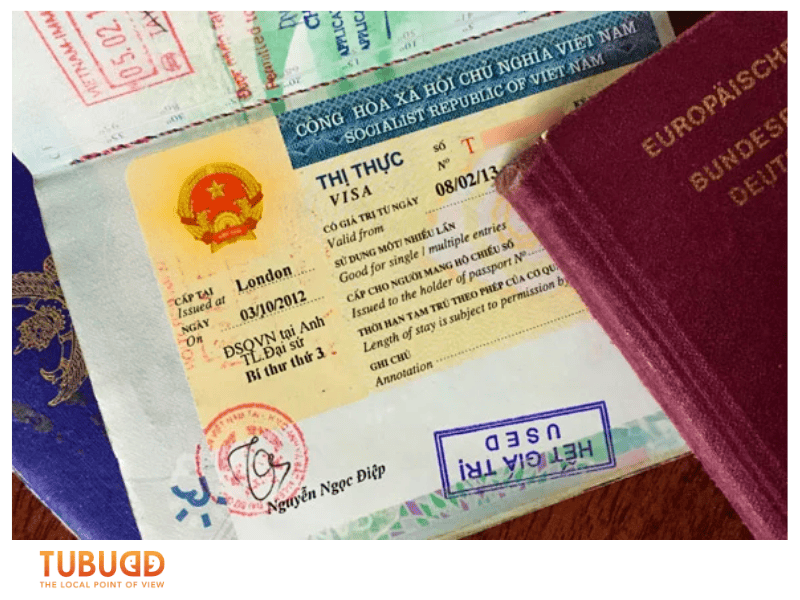
Vietnam visa on arrival (VOA) allows eligible travelers to receive their visa at an applicable Vietnamese border checkpoint after obtaining the required prior approval. A Vietnam e-visa, by contrast, is applied for online before departure and issued electronically once approved.
Vietnam Visa on Arrival vs E-Visa: What's the Difference?
The main difference is how the visa is issued and who can use each process. VOA is available only in specific circumstances, while the e-visa offers a broader application route for eligible foreign travelers.
Feature
Visa on Arrival (VOA)
Vietnam E-Visa
Application process
Obtain approval before travel, then complete visa issuance at the border
Apply online before travel
Prior preparation
Required approval document
Approved electronic visa
Eligibility
Limited to specific circumstances
Available to eligible foreign travelers
Where you receive the visa
At an applicable Vietnamese border checkpoint
Electronically before departure
Maximum validity
Depends on the visa granted
Up to 90 days
Entry options
Depend on the visa granted
Single or multiple entry
Main consideration
Eligibility and prior approval
Online application and approval before travel
How Does Vietnam Visa on Arrival Work?
Vietnam visa on arrival is not a service that every traveler can use simply by arriving at a Vietnamese airport. Eligible applicants must arrange the required approval before entering Vietnam.
The process generally involves:
Checking whether your circumstances qualify for VOA.
Obtaining approval from the competent Vietnamese authority.
Preparing your passport, approval document, application form, and passport photo.
Presenting the required documents at the applicable border checkpoint.
Completing visa issuance and immigration procedures.
Some eligible travelers may use VOA for specific situations, including certain organized tours, emergencies, or other circumstances recognized by Vietnamese authorities. Being a tourist alone does not automatically qualify you.
How Does Vietnam E-Visa Work?
Vietnam's e-visa system allows eligible foreign travelers to apply online before their trip. Once approved, the electronic visa can be used according to its validity period, entry type, and the conditions stated on the document.
How Does Vietnam E-Visa Work?
Key points to know:
Validity: Up to 90 days.
Entry options: Single entry or multiple entry.
Application: Submit the required information and documents online.
Approval: Wait for the application to be processed before traveling.
The e-visa is a practical option for many eligible travelers because the application is handled before departure. However, approval is not automatic, so travelers should check their details and application status before flying.
Vietnam Visa on Arrival vs E-Visa: Cost and Processing Time
Cost and processing time are important factors when planning a trip to Vietnam. The total cost and timing can vary depending on the application route and individual circumstances.
Factor
Visa on Arrival
E-Visa
Government fee
Depends on the visa and applicable procedure
$25 for single entry; $50 for multiple entry
Approval time
Depends on the individual case and approval process
Official processing target is 3 working days
Additional costs
Approval or service fees may apply
Third-party service fees may apply if using an agent
Important consideration
Approval must be arranged before travel
Apply early and wait for approval before departure
Vietnam's official e-visa procedure lists a processing target of three working days after the application and fee are received. This is not a guarantee that every application will be approved within that time. Check the latest fee and processing information on the official e-visa portal before applying.
For VOA, confirm the approval process and any associated costs before making travel arrangements. Do not assume that paying an agency guarantees visa approval.
Which Option Should You Choose for Your Vietnam Trip?
The appropriate option depends on your nationality, travel purpose, itinerary, and eligibility.
When to Consider a Vietnam E-Visa
An e-visa may suit your plans if:
You are eligible to apply for a Vietnamese e-visa.
You want to complete the application before departure.
You plan to stay for up to 90 days.
You need a single-entry or multiple-entry visa.
You prefer to receive your visa electronically before traveling.
Before applying, confirm that your intended entry and exit checkpoints accept e-visas and that the visa details match your itinerary.
When to Consider Vietnam Visa on Arrival
VOA may be relevant if:
Your circumstances fall within an officially recognized eligibility category.
You have obtained the required approval before entering Vietnam.
Your travel arrangements involve an applicable border checkpoint.
You have confirmed the required documents and visa issuance procedure.
VOA should not be treated as a universal alternative to the e-visa. If you are traveling independently for a typical holiday, check your eligibility for an e-visa or visa exemption first.
What Documents Do You Need for Each Option?
The documents you need depend on the visa route you choose.
For a Vietnam e-visa, prepare your passport details, portrait photo, travel information, and any other information requested in the online application.
For visa on arrival, eligible travelers generally need:
A valid passport or international travel document
The required visa approval document
A completed visa application form
A passport photo
Check the latest official requirements before submitting an application or departing for Vietnam. Make sure your passport details, travel dates, and visa information are consistent.
Common Mistakes to Avoid
Assuming Visa on Arrival Is Available to Everyone
VOA has specific eligibility conditions. Do not assume that any foreign tourist can obtain it simply by arriving at a Vietnamese airport.
Traveling Without the Required Approval
An approval document is required before entering Vietnam under the VOA procedure. Confirm that you have the necessary approval before departure.
Confusing an Application With an Approved Visa
Submitting an e-visa application does not mean it has been approved. Likewise, arranging a VOA service does not replace the required approval document.
Using Unofficial Application Websites
Use Vietnam's official e-visa portal and verify the website address before entering personal or passport information. If you use a visa support service, understand whether it is a commercial intermediary rather than a government agency.
Why Choose Tubudd for Vietnam Visa Guidance?
Planning an international trip involves more than choosing between visa options. Travelers also need to understand application requirements, prepare accurate documents, and confirm that their visa matches their itinerary.
Tubudd provides travel-related services and local experiences for visitors to Vietnam. Travelers who need additional guidance can explore its visa-related services and review the application options relevant to their circumstances.
Why Choose Tubudd for Vietnam Visa Guidance?
FAQ: Vietnam Visa on Arrival vs E-Visa
Is Vietnam Visa on Arrival Better Than an E-Visa?
Neither option suits every traveler. An e-visa allows eligible travelers to apply online before departure, while VOA is limited to specific circumstances and requires prior approval. Your eligibility and itinerary determine which option is appropriate.
Can I Get a Vietnam Visa on Arrival Without an Approval Letter?
No. Travelers using the VOA procedure must obtain the required approval before entering Vietnam.
How Long Can I Stay in Vietnam With an E-Visa?
A Vietnamese e-visa can be valid for up to 90 days, with single-entry or multiple-entry options. Your permitted stay depends on the visa issued.
Can Independent Tourists Use Vietnam Visa on Arrival?
Eligibility depends on the traveler's circumstances. Being an independent tourist does not automatically qualify you for VOA. Check whether you can apply for an e-visa or enter under a visa-exemption policy instead.
Can I Apply for a Vietnam E-Visa After Arriving in Vietnam?
Do not assume you can apply for an e-visa after arrival. Check the official application requirements and arrange the appropriate visa before departure.
Conclusion
When researching vietnam visa on arrival vs e-visa which is better, consider your eligibility, travel purpose, entry plans, costs, and preparation time. An e-visa allows eligible travelers to apply online before departure and can be valid for up to 90 days with single- or multiple-entry options. Visa on arrival requires prior approval and is available only in specific circumstances.
Before traveling, check the latest official requirements and make sure your documents match your itinerary. If you need help navigating the process, explore Tubudd's Visa Guide service for information about visa application support and available services for travelers to Vietnam.