Top 6 Traditional Vietnamese Food You Shouldn’t Miss on Your First Trip
Discover the top 6 traditional Vietnamese food dishes every traveler should try, from pho to bun cha, and learn where to enjoy them like a local.
Vietnamese cuisine is not just about eating well, it is about understanding culture, history, and daily life through flavor. From humble street stalls to family kitchens, traditional Vietnamese food reflects regional diversity, fresh ingredients, and a delicate balance of taste. If you are visiting Vietnam for the first time and wondering where to begin, this guide introduces the top 6 traditional Vietnamese food dishes you truly should not miss.
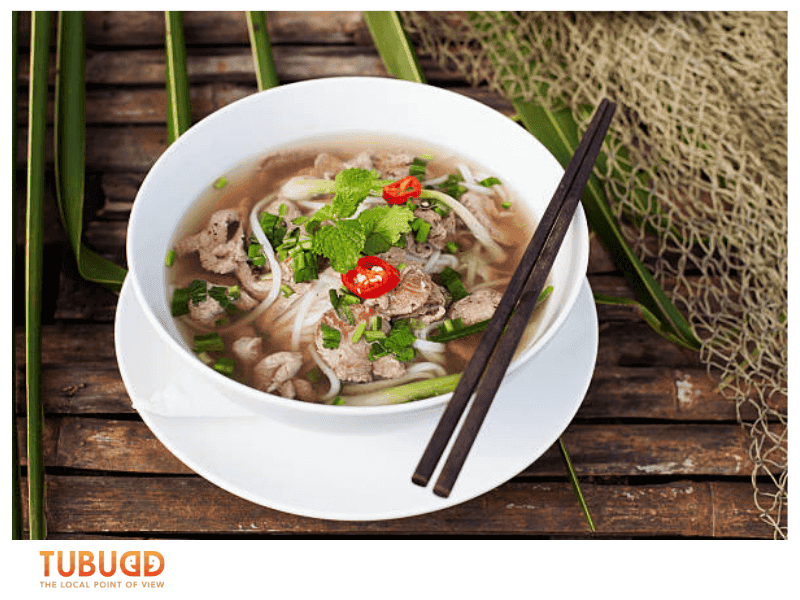
Pho: Vietnam’s Most Iconic Comfort Dish
Pho: Vietnam’s Most Iconic Comfort DishPho is often the first traditional Vietnamese food that comes to mind, and for good reason. This aromatic noodle soup, typically made with beef or chicken, is deeply rooted in northern Vietnam and has become a national symbol. A proper bowl of pho features clear, slow-simmered broth, flat rice noodles, tender meat, and fresh herbs such as scallions and cilantro.
What makes pho special is its simplicity and balance. The broth is light yet deeply flavorful, built from bones, ginger, onions, and spices like star anise and cinnamon. Locals often eat pho for breakfast, but you will find it served throughout the day across the country.
For travelers, enjoying pho is more than a meal. Sitting on a low plastic stool early in the morning, watching the city wake up, is a small but meaningful cultural experience. Exploring different regional versions of pho becomes even more rewarding with a Tubudd Local Buddy who knows where locals actually eat.
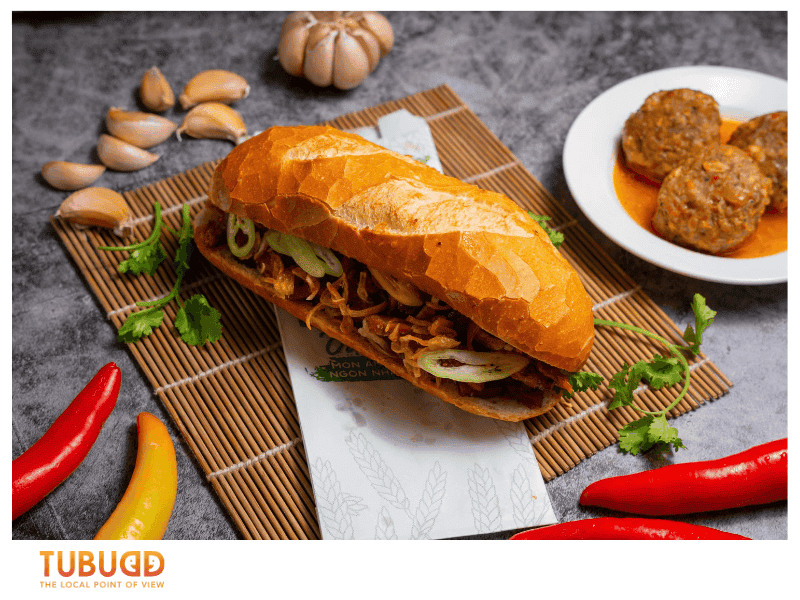
Banh Mi: A Street Food Legend with a Cultural Twist
Banh Mi: A Street Food Legend with a Cultural TwistBanh mi is one of the most accessible and beloved traditional Vietnamese food items, especially for travelers. This crispy baguette sandwich is a legacy of French colonial influence, adapted with Vietnamese ingredients and flavors. Inside, you will typically find a combination of grilled pork, pate, pickled vegetables, fresh herbs, and chili sauce.
Each region adds its own personality to banh mi. In Hanoi, flavors are simpler and more savory, while in Ho Chi Minh City, banh mi tends to be fuller and more colorful. Despite its global fame, eating banh mi in Vietnam hits differently. The bread is fresher, the herbs more fragrant, and the atmosphere unmistakably local.
Banh mi represents Vietnam’s ability to blend cultures into something uniquely its own. It is quick, affordable, and deeply satisfying, making it a must-try for any traveler exploring Vietnamese street food.
Bun Cha: A Northern Classic Loved Worldwide
Bun cha is a traditional Vietnamese food that showcases the harmony of grilled meat, fresh herbs, and dipping sauce. Originating from Hanoi, bun cha consists of grilled pork patties and slices served with rice vermicelli, herbs, and a bowl of sweet-savory fish sauce.
Unlike many noodle dishes, bun cha separates its components, allowing diners to mix flavors according to personal taste. The grilled pork, cooked over charcoal, adds a smoky depth that pairs perfectly with the light, tangy sauce.
Bun cha gained international attention after former U.S. President Barack Obama famously enjoyed it in Hanoi, but locals have loved it for generations. To truly appreciate bun cha, timing matters. It is traditionally eaten at lunchtime, when the grills are hottest and the pork freshest.
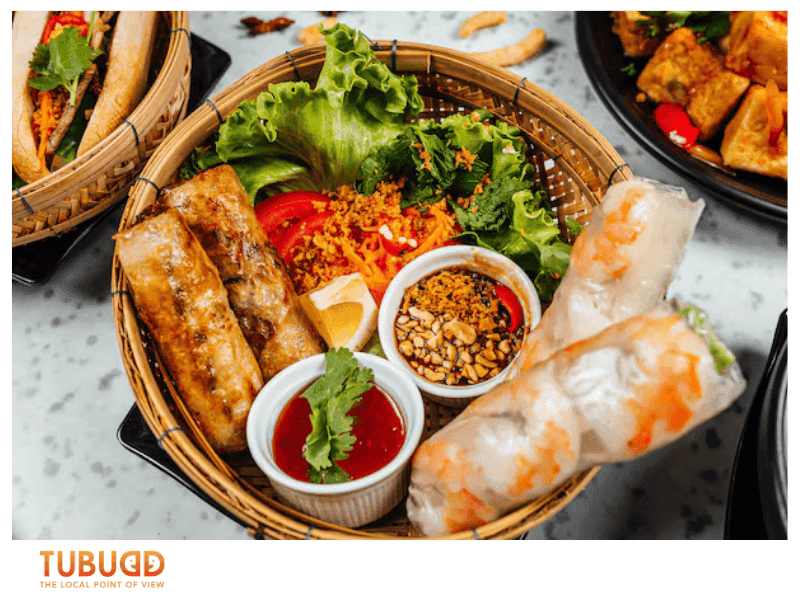
Goi Cuon: Fresh Spring Rolls Done the Vietnamese Way
Goi Cuon: Fresh Spring Rolls Done the Vietnamese WayGoi cuon, often called Vietnamese fresh spring rolls, are a lighter alternative to fried dishes and a perfect example of how traditional Vietnamese food values freshness. These rolls are made with rice paper wrapped around shrimp, pork, rice noodles, and herbs such as mint and lettuce.
What elevates goi cuon is the dipping sauce. Depending on the region, it may be a peanut-based sauce or a fish sauce blend, each adding richness to the clean flavors of the roll. Goi cuon is commonly served as a starter or snack, especially in southern Vietnam.
For travelers concerned about heavy meals, goi cuon offers a refreshing option that still delivers authentic taste. Watching locals assemble these rolls by hand also gives insight into how communal and interactive Vietnamese meals can be.
Banh Xeo: Crispy Pancakes with a Southern Soul
Banh xeo is a sizzling Vietnamese pancake made from rice flour, turmeric, and coconut milk, filled with shrimp, pork, and bean sprouts. The name literally means “sizzling cake,” inspired by the sound the batter makes when it hits the hot pan.
This traditional Vietnamese food is not eaten with utensils. Instead, pieces of banh xeo are wrapped in rice paper or leafy greens, combined with herbs, and dipped into fish sauce. The result is a mix of crunchy, fresh, and savory textures in every bite.
Banh xeo varies by region. In the south, it is larger and crispier, while central Vietnam offers smaller, more delicate versions. Trying banh xeo in its place of origin helps travelers understand how regional identity shapes Vietnamese cuisine.
Cao Lau: A Taste Found Only in Hoi An
Cao lau is one of the most unique traditional Vietnamese food dishes, closely tied to the ancient town of Hoi An. This noodle dish features thick, chewy noodles, slices of pork, fresh greens, and crispy croutons, served with minimal broth.
What makes cao lau special is its local specificity. Traditionally, the noodles were made using water from ancient wells in Hoi An, contributing to their distinct texture. While modern versions may vary, the dish remains a symbol of regional pride.
Cao lau is not widely found outside Hoi An, making it a must-try for travelers visiting central Vietnam. Pairing this culinary experience with a local guide from Tubudd can deepen your understanding of the dish’s cultural background and help you find the most authentic spots.
Experience Traditional Vietnamese Food Like a Local
Trying traditional Vietnamese food is one of the best ways to connect with the country’s culture, but knowing where and how to eat makes all the difference. Street stalls, family-run eateries, and local markets often offer better experiences than tourist-focused restaurants.
With a Tubudd Local Buddy, you can explore hidden food spots, understand dining customs, and learn the stories behind each dish. If you prefer a curated experience, Tubudd Tours can combine food exploration with cultural sightseeing, helping you enjoy Vietnam beyond the surface.
Traditional Vietnamese food is not just about taste. It is about people, places, and everyday rituals. These six dishes are only the beginning, but they offer a delicious introduction to Vietnam’s rich culinary soul.