July Weather in Vietnam: What to Expect Across North, Central, and South
July weather in Vietnam explained by region. Learn about temperature, rainfall, travel conditions, and the best places to visit in July.
Planning a summer trip? Here’s everything you need to know about July weather in Vietnam, including temperatures, rainfall patterns, and travel tips.
July Weather in Vietnam: Is It a Good Time to Visit?
July Weather in Vietnam: Is It a Good Time to Visit?July weather in Vietnam falls right in the middle of the country’s summer season. Because Vietnam stretches over 1,600 kilometers from north to south, weather conditions vary significantly by region. In general, July is hot, humid, and part of the rainy season in many areas, but that does not mean it is a bad time to travel.
In fact, July can be a vibrant and scenic period, with lush green rice fields, dramatic skies, and powerful waterfalls. The key is understanding regional differences and planning your itinerary accordingly.
Across most of Vietnam, average daytime temperatures in July range between 28°C and 35°C. Humidity levels are high, and rainfall typically comes in short, heavy afternoon showers rather than continuous downpours.
Northern Vietnam in July: Hot, Humid, and Lush
Northern Vietnam in July: Hot, Humid, and Lush
In northern cities such as Hanoi, July is one of the hottest months of the year. Daytime temperatures often exceed 33°C, and humidity can feel intense. Sudden afternoon thunderstorms are common but usually brief.
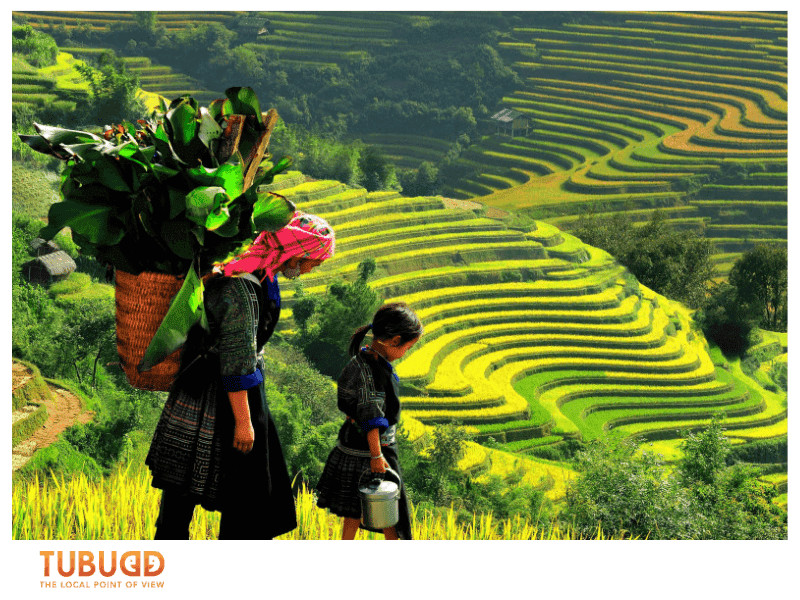
In mountainous areas like Sapa, the weather is cooler than in Hanoi, with temperatures generally ranging between 20°C and 28°C. However, July is also part of the rainy season in the north, meaning trekking trails can become muddy and slippery. On the positive side, rice terraces are at their greenest, creating stunning landscapes for photography.
Ha Long Bay experiences warm temperatures and occasional storms in July. While cruises still operate, weather conditions may cause schedule adjustments, especially if tropical systems develop in the region.
Central Vietnam in July: Beach Season at Its Peak
Central Vietnam in July: Beach Season at Its Peak
Central Vietnam often enjoys some of its best beach weather in July. Cities like Da Nang and the nearby ancient town of Hoi An typically experience hot temperatures and relatively lower rainfall compared to northern and southern regions during this month.
Daytime highs frequently reach 34–36°C, with strong sunshine and clear skies dominating much of the day. Rainfall tends to be less intense than in other parts of the country, making July an excellent month for beach activities, swimming, and island excursions.
However, heat levels can be intense, so outdoor sightseeing is best planned for early mornings or late afternoons. Staying hydrated and using sun protection are essential.
Southern Vietnam in July: Tropical Showers and Vibrant Greenery
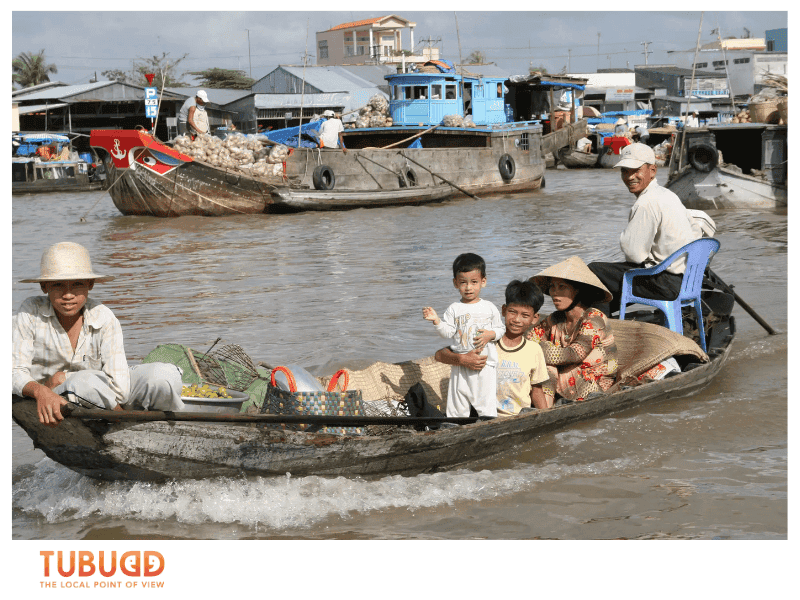
In southern destinations such as Ho Chi Minh City, July falls squarely within the rainy season. Temperatures remain warm, typically between 27°C and 33°C, but humidity is high.
Rain usually arrives in heavy but short bursts during the afternoon or early evening. These tropical showers cool the air temporarily and rarely disrupt entire days of sightseeing. Mornings are often sunny and suitable for exploring city attractions or taking day trips to the Mekong Delta.
The countryside becomes particularly lush in July, with rivers full and landscapes vibrant. While occasional flooding can occur in low-lying areas, major tourist infrastructure generally continues operating normally.
Travel Tips for Visiting Vietnam in July
If you are planning around July weather in Vietnam, flexibility is key. Pack lightweight, breathable clothing, a compact umbrella or rain jacket, and waterproof footwear if you plan to explore nature areas.
Book accommodations with air conditioning, especially in northern and central cities where heat can be intense. Schedule outdoor activities in the early morning to avoid peak midday temperatures. A Local Buddy from Tubudd can definitely help you with finding a perfect place for your trip in Vietnam.
Although July is considered low season for some regions due to rain, this can mean fewer crowds and competitive hotel prices. Popular beaches in central Vietnam remain lively, while cultural sites in major cities are typically less crowded compared to peak winter months.
Keep an eye on weather forecasts if you plan to cruise in Ha Long Bay or travel to remote mountain regions, as occasional storms can affect transportation schedules.
Conclusion
July weather in Vietnam is characterized by heat, humidity, and regional rainfall patterns, but it also brings vibrant green landscapes and strong beach conditions in central areas. Northern Vietnam is hot and rainy, central Vietnam offers peak beach weather, and southern Vietnam sees tropical afternoon showers.
With proper planning and regional awareness, July can still be a rewarding time to explore Vietnam’s diverse landscapes and cultural destinations. Understanding local weather patterns ensures you maximize your travel experience while staying comfortable throughout your journey.