Everything You Need to Know About Vietnam: The Ultimate Travel Guide for First-Time Visitors
Everything you need to know about Vietnam in one complete guide, including visa, weather, costs, culture, and practical travel tips.
If you are planning your first trip, this guide covers everything you need to know about Vietnam, from entry requirements and budgeting to food, culture, and local insights.
Travel Planning Essentials: Visa, Weather, Budget and Getting Around
Travel Planning Essentials: Visa, Weather, Budget and Getting Around
When researching everything you need to know about Vietnam, the first step is understanding the practical basics. Vietnam offers visa exemptions for certain nationalities, while many travelers can apply for an e-visa online before arrival. Your passport should be valid for at least six months beyond your entry date, and it is always wise to check official sources for the latest regulations before departure.
Vietnam’s geography stretches over 1,600 kilometers from north to south, which means weather varies significantly by region. Northern areas such as Hanoi experience four distinct seasons, with cooler winters and mild springs. Central destinations like Da Nang enjoy long dry periods but can face heavy rains in autumn. Southern hubs including Ho Chi Minh City maintain a tropical climate year-round, divided mainly into dry and rainy seasons. If you plan to travel across multiple regions, March and April are often ideal months for balanced weather.
Budgeting is another key part of everything you need to know about Vietnam. The country remains one of the most affordable destinations in Southeast Asia. Street food meals can cost just a few dollars, mid-range hotels are reasonably priced, and transportation, whether domestic flights, trains, or ride-hailing services, is accessible for most budgets. The local currency is the Vietnamese Dong (VND), and while digital payments are becoming more common in urban areas, cash is still widely used.
Getting around is relatively straightforward. Domestic airlines efficiently connect major cities. Overnight trains and sleeper buses are popular for long-distance travel. Within cities, ride-hailing apps and taxis are convenient, though traffic can appear chaotic at first. The key is patience and awareness, especially when crossing the street.
Culture, Food and Daily Life in Vietnam
Culture, Food and Daily Life in Vietnam
To truly understand everything you need to know about Vietnam, you must look beyond logistics and into daily life. Vietnamese culture is shaped by Confucian values, strong family bonds, and deep respect for tradition. Elders are highly respected, modesty is appreciated, and behavior in religious spaces should remain calm and conservative. When visiting pagodas or temples, dress appropriately and avoid loud conversations.
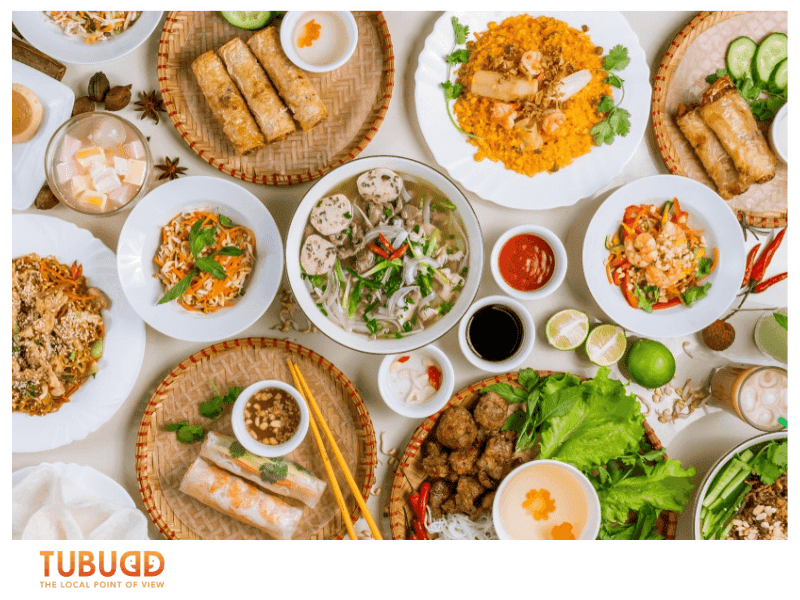
Food is central to Vietnamese identity. Meals emphasize freshness, balance, and harmony of flavors. You will quickly notice the abundant use of herbs, vegetables, and contrasting textures. Street food culture defines urban life, with small plastic stools lining sidewalks and vendors serving dishes that have been perfected over generations. Regional differences are significant: northern cuisine tends to be lighter and more subtle, central dishes often carry stronger spice and complexity, while southern flavors lean slightly sweeter.
Daily life in Vietnam is vibrant and energetic. Mornings begin early with coffee shops filling up before sunrise. Sidewalks transform throughout the day from breakfast spots to lunch counters to evening gathering places. Despite rapid modernization, traditional markets remain active and community-oriented. Observing these rhythms gives visitors insight into how Vietnam balances development with heritage.
Top Places to Visit from North to South
Top Places to Visit from North to South
Any guide covering everything you need to know about Vietnam would be incomplete without highlighting its most iconic destinations. In the north, Hanoi blends ancient temples, colonial architecture, and bustling Old Quarter streets. Nearby, Ha Long Bay features limestone karsts rising dramatically from emerald waters, offering one of Southeast Asia’s most breathtaking seascapes.
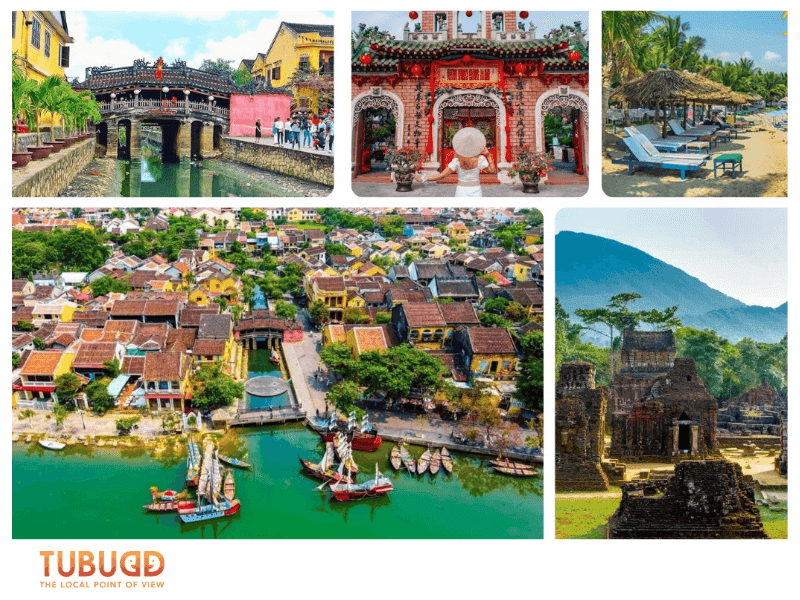
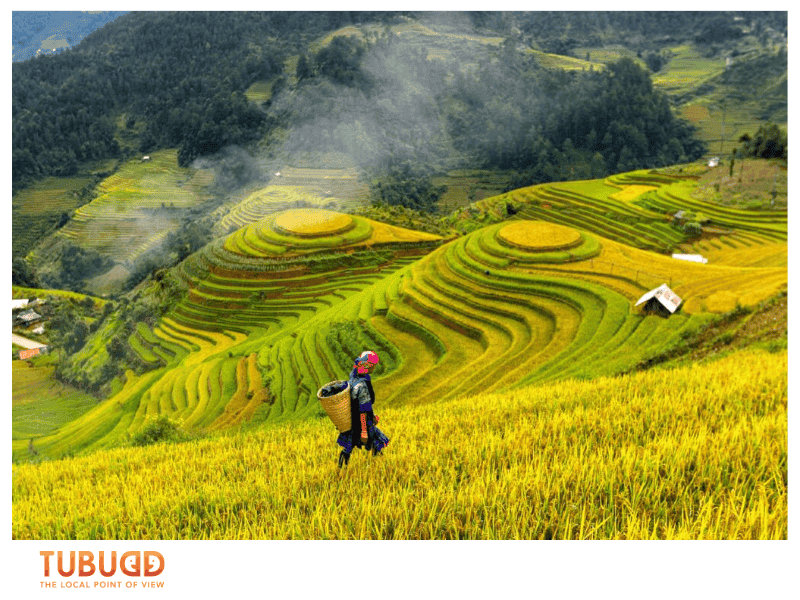
Further south, Hoi An captivates visitors with lantern-lit evenings and preserved heritage buildings. Da Nang provides a mix of modern beachfront living and cultural landmarks. In the south, Ho Chi Minh City pulses with energy, rooftop bars, historical museums, and dynamic street life. For mountain landscapes and trekking adventures, Sapa offers terraced rice fields and ethnic minority villages.
What makes Vietnam unique is how quickly scenery changes. Within a single trip, travelers can explore mountains, coastline, megacities, ancient towns, and river deltas. Each region tells a different story, reflecting historical influences, local traditions, and distinct culinary identities.
Safety, Connectivity and Local Travel Tips
Safety is an important part of everything you need to know about Vietnam. The country is generally considered safe for tourists, including solo travelers. Violent crime is rare, though petty theft can occur in crowded areas. Keeping belongings secure and staying alert in busy districts is usually sufficient precaution.
Traffic is often the biggest surprise for newcomers. Streets in major cities are filled with motorbikes, but movement follows a predictable flow. When crossing the road, walk steadily and confidently rather than hesitating abruptly. Drivers will typically adjust around you.
Connectivity is convenient. Wi-Fi is widely available in cafés, restaurants, and hotels. SIM cards are inexpensive and easy to purchase at airports or official retailers. For digital nomads or remote workers, Vietnam offers reliable internet infrastructure in major cities.
Small cultural habits also enhance your experience. Remove shoes when entering someone’s home, greet elders respectfully, and bargain politely in markets. A smile and patience go a long way in everyday interactions.
If you want deeper cultural understanding during your trip, consider exploring the country with a Tubudd Local Buddy who can guide you beyond tourist hotspots and help you navigate Vietnam with confidence.
Conclusion
Vietnam is a country of contrasts, modern yet traditional, energetic yet deeply rooted in heritage. From practical travel planning to cultural awareness, this guide has covered everything you need to know about Vietnam to prepare for a meaningful journey.
To make your experience even more authentic and personalized, connect with a Tubudd Local Buddy and discover Vietnam through real local insight rather than just a checklist of attractions.