What Are Chopsticks? The Essential Vietnamese Souvenir and Everyday Tool
Curious about what are chopsticks in Vietnam? Learn their history, cultural meaning, how to use them properly, and why a beautiful pair of Vietnamese chopsticks makes the perfect souvenir from Hanoi or Ho Chi Minh City.
Chopsticks are far more than eating utensils in Vietnam, they are a daily companion, a symbol of family meals, and one of the most meaningful souvenirs you can bring home. Whether carved from bamboo, polished wood, or inlaid with mother-of-pearl, a pair of Vietnamese chopsticks carries centuries of tradition and craftsmanship. This guide explains what are chopsticks, their role in Vietnamese culture, etiquette tips, and the best places to buy authentic pairs as keepsakes.
What Are Chopsticks? A Brief History and Design
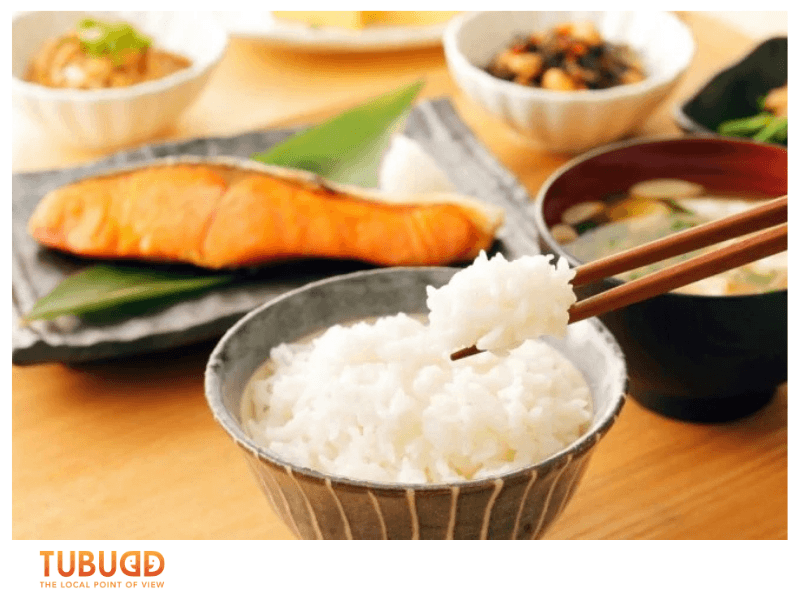
What Are Chopsticks? A Brief History and DesignChopsticks, called đũa in Vietnamese, are simple pairs of tapered sticks used to pick up food instead of forks or spoons. In Vietnam, they have been the primary eating tool for over two thousand years, arriving via Chinese influence but quickly adapted to local tastes and materials.
Typical features of Vietnamese chopsticks:
Length: 20 to 25 cm (shorter than Chinese or Japanese versions)
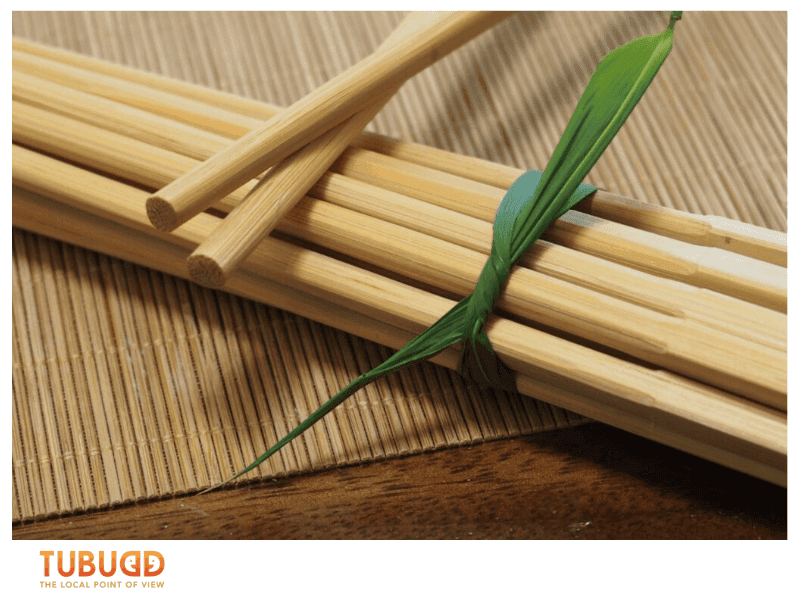
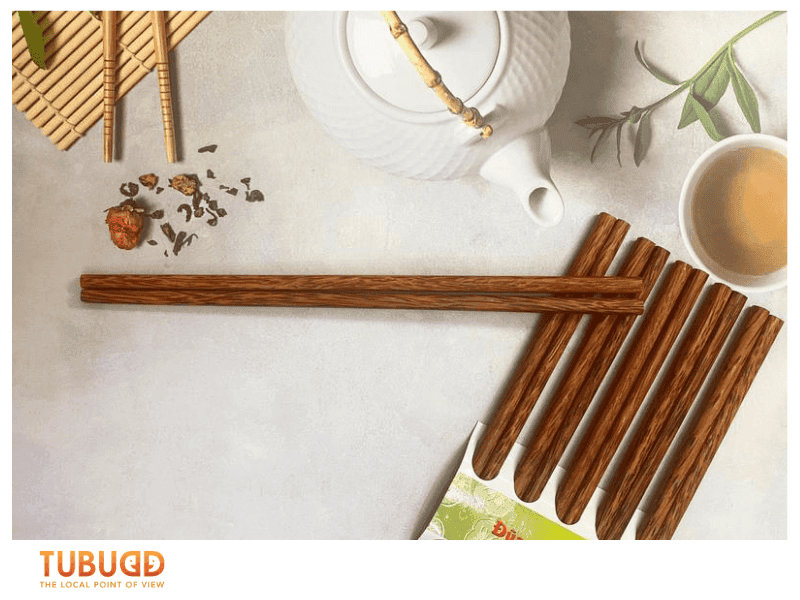
Material: bamboo (most common and affordable), wood (rosewood, ironwood, ebony), lacquered wood, or premium versions with bone, horn, or silver tips
Taper: slim and pointed at the eating end for precision when picking up small items like peanuts or herbs
Finish: many everyday pairs are plain, while souvenir or gift sets are lacquered, painted, or inlaid with mother-of-pearl patterns (flowers, dragons, lotus, or village scenes)
Unlike disposable wooden chopsticks common in some countries, Vietnamese households almost always use reusable, durable pairs that are washed and reused for years. This reflects the practical, non-wasteful approach to daily life.
Cultural Meaning and Etiquette of Chopsticks in Vietnam
Cultural Meaning and Etiquette of Chopsticks in VietnamChopsticks are deeply woven into Vietnamese social and family life. Sharing food from common bowls with chopsticks is a sign of closeness and trust. Some cultural rules and beliefs include:
Do not stick chopsticks upright in a bowl of rice (resembles incense sticks offered to the dead)
Do not use chopsticks to point at people or gesture
When resting chopsticks, place them parallel across the bowl rim or on a chopstick rest (đũa kê)
Elders or guests are usually served first, and it is polite to wait for the oldest person to start eating
In rural areas or traditional families, you may see people tap chopsticks lightly on the bowl to call family to the meal
Giving a pair of chopsticks as a gift symbolizes harmony and togetherness, which is why beautifully crafted sets are popular souvenirs for weddings, housewarmings or returning travelers.
Best Types of Chopsticks to Buy as Souvenirs
Best Types of Chopsticks to Buy as Souvenirs
If you want to bring home authentic Vietnamese chopsticks, look for these styles:
Everyday bamboo chopsticks : cheap, lightweight, eco-friendly (10,000 to 30,000 VND per pair)
Lacquered wooden chopsticks : glossy finish, often painted with traditional motifs (50,000 to 150,000 VND)
Mother-of-pearl inlaid chopsticks : high-end, handcrafted, usually sold in gift boxes of 5 or 10 pairs (200,000 to 800,000 VND)
Ebony or rosewood pairs : dark, heavy, luxurious feel (150,000 to 500,000 VND)
Children's training chopsticks : connected at the top with a ring or spring (great gift for families)
Where to shop:
Hanoi
Dong Xuan Market (second floor craft section) : huge selection of lacquered and inlaid pairs
Hàng Bạc street : silver and horn-tipped premium chopsticks
Village craft shops near Văn Miếu (Temple of Literature) : traditional hand-carved sets
Ho Chi Minh City
Bến Thành Market : affordable bamboo and lacquer options
Lạc Việt craft shops in District 1 : high-quality mother-of-pearl inlay
An Đông Market (District 5) : wholesale prices for bulk gift purchases
Always ask to see the chopsticks being used (test the balance and grip) before buying expensive pairs.
How to Use and Care for Your Vietnamese Chopsticks
Using chopsticks correctly takes practice but becomes natural quickly. Basic hold:
Rest one chopstick in the crook of your thumb and on your ring finger
Hold the second chopstick like a pencil between thumb, index and middle finger
Move the top chopstick to pinch food while the bottom one stays still
Care tips for longevity:
Hand wash with mild soap, never dishwasher
Dry completely to prevent mold (especially bamboo)
Apply food-safe mineral oil once a month to wooden pairs to keep them smooth
Store in a dry place or dedicated chopstick case
A good pair of Vietnamese chopsticks can last decades with proper care, becoming a small piece of Vietnam you use every day.
Want to choose the perfect pair of Vietnamese chopsticks as a souvenir, and learn how to use them like a local? Book a Tubudd Local Buddy today. Your friend will take you to the best craft shops in Hanoi or Ho Chi Minh City, help you bargain for high-quality pairs, explain the meaning behind different designs, and even teach you proper chopstick etiquette over a shared meal.