What Is Vietnamese Seafood Soup? A Guide to Vietnam’s Fresh Coastal Flavors
Discover Vietnamese seafood soup, from regional specialties to local eating culture, and learn where to enjoy authentic seafood soups across Vietnam.
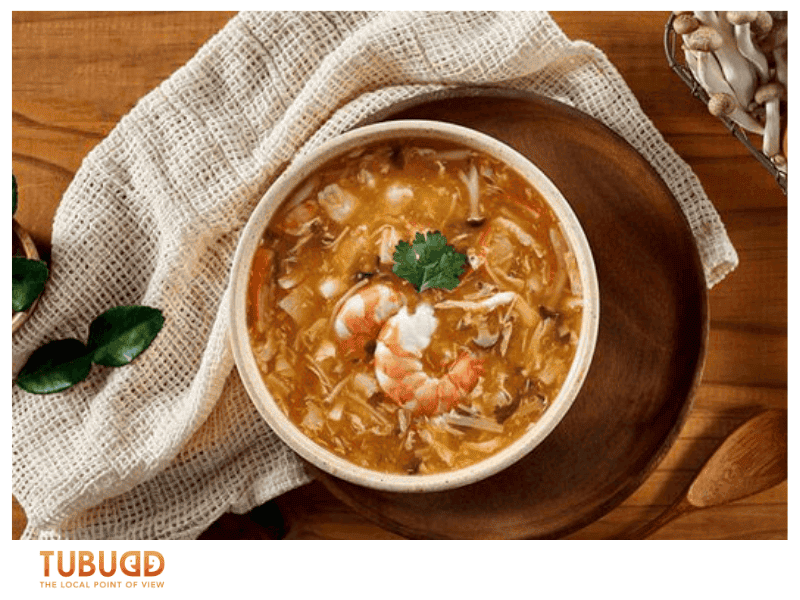
Vietnamese seafood soup is light yet deeply flavorful, combining fresh ingredients, herbs, and delicate broths that reflect Vietnam’s strong connection to the sea.
Why Vietnamese Seafood Soup Is So Unique
Why Vietnamese Seafood Soup Is So Unique
When travelers think about seafood dishes in Vietnam, grilled seafood and street snacks often come to mind first. However, Vietnamese seafood soup is one of the most underrated parts of the country’s culinary culture. Unlike heavier seafood soups found in some cuisines, Vietnamese versions focus on clarity, balance, and freshness, allowing the natural sweetness of seafood to stand out.
The broth is usually the heart of the dish. Instead of relying on cream or thick seasoning, Vietnamese seafood soup uses simmered bones, seafood shells, herbs, and vegetables to create a lighter but highly aromatic base. This approach reflects the broader philosophy of Vietnamese cooking, where flavors are layered carefully rather than overwhelmed by richness.
Another defining characteristic is freshness. Because Vietnam has a long coastline and strong fishing culture, seafood is deeply integrated into daily life, especially in coastal cities and fishing communities. Shrimp, squid, crab, clams, and fish are commonly used, often sourced locally on the same day they are served.
For travelers, Vietnamese seafood soup offers more than just flavor. It provides insight into regional food culture, coastal lifestyles, and the importance of balance in Vietnamese cuisine. If you want to experience authentic local seafood spots rather than tourist-focused restaurants, exploring with a Tubudd local buddy can help you discover hidden places where freshness truly makes the difference.
Popular Types of Vietnamese Seafood Soup You Should Try
Popular Types of Vietnamese Seafood Soup You Should TryVietnamese seafood soup exists in many forms, depending on the region and ingredients available. Some are noodle-based, while others focus entirely on broth and seafood.
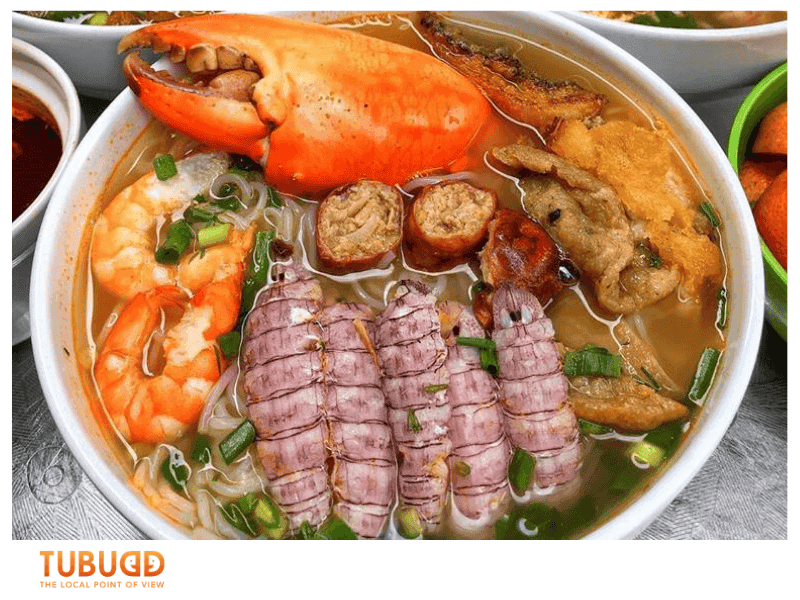
One of the most famous dishes is bún hải sản, a seafood noodle soup commonly found in coastal cities. This dish combines rice noodles with shrimp, squid, fish cakes, and herbs in a clear broth that feels light yet satisfying.
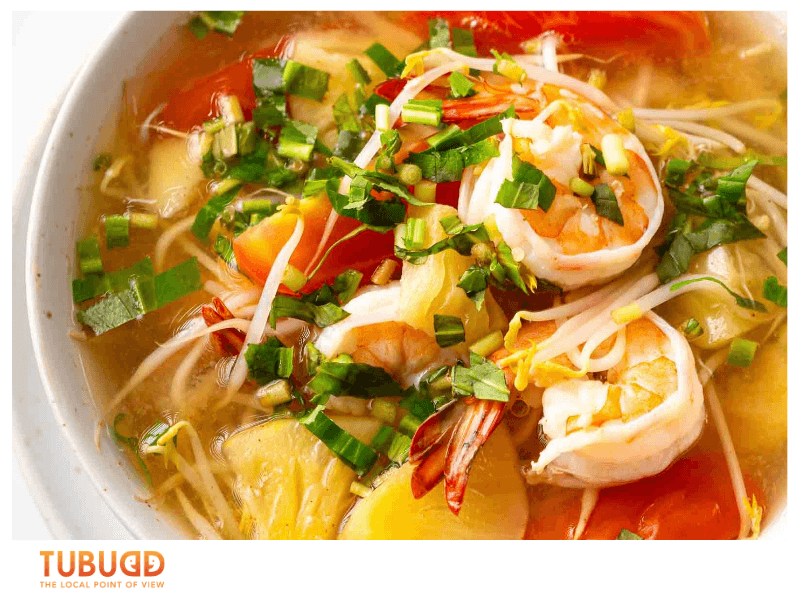
Another well-known option is canh chua cá, a sour fish soup popular in southern Vietnam. Tamarind gives the broth a tangy flavor, while pineapple, tomatoes, and herbs create a refreshing balance between sweet and sour notes.
In central regions, seafood soups often become spicier and more intense in flavor. Coastal cities may serve soups featuring crab, shellfish, or local fish varieties combined with chili and aromatic herbs.
There are also simpler home-style seafood soups, where clams or shrimp are cooked with vegetables in clear broth. These dishes are common in family meals and highlight how seafood is integrated into everyday eating rather than reserved only for special occasions.
In Ho Chi Minh City, you will find a wide variety of seafood soups ranging from traditional recipes to more modern interpretations. Meanwhile, Da Nang is especially known for coastal seafood dishes that emphasize freshness and regional flavors.
How Vietnamese Seafood Soup Reflects Coastal Culture
How Vietnamese Seafood Soup Reflects Coastal CultureVietnamese seafood soup is deeply connected to geography and lifestyle. Coastal communities rely heavily on fishing, and this relationship with the sea shapes both ingredients and cooking methods.
Unlike cuisines that heavily process seafood, Vietnamese cooking often keeps preparation relatively simple. The goal is to preserve freshness and highlight natural flavors. This is why broths are usually clear and why herbs are used carefully to complement rather than dominate the seafood.
Seasonality also plays a role. Certain seafood ingredients become more common depending on fishing conditions and local harvest periods. As a result, the same soup can taste slightly different depending on when and where you try it.
Meals involving seafood soup are often communal as well. Families or groups gather around shared dishes, combining soup with rice, herbs, and side plates. This reflects the social nature of dining in Vietnam, where meals are designed to bring people together.
If you want to understand how seafood culture connects with daily life rather than simply ordering dishes from a menu, joining a Tubudd food tour can help you explore fish markets, local eateries, and coastal neighborhoods where these traditions remain strong.
Tips for Travelers Trying Vietnamese Seafood Soup
Freshness is the most important factor when choosing Vietnamese seafood soup. Busy restaurants or local eateries with high turnover are usually safer and more reliable choices.
If you are unfamiliar with certain seafood ingredients, start with mixed seafood noodle soups, which are generally approachable and balanced in flavor. More regional or fermented variations can be explored later once you become comfortable with local tastes.
Pay attention to herbs and dipping sauces served on the side, as they are part of the intended experience. Adding lime, chili, or herbs allows you to adjust the flavor according to your preference.
It is also worth trying seafood soup in different regions because the flavor profiles change significantly. Southern soups often lean sweeter and tangier, while central versions may be spicier and more concentrated.
Conclusion
Vietnamese seafood soup is one of the best ways to experience the freshness, balance, and regional diversity of food in Vietnam. From light noodle soups to rich coastal broths, each variation reflects the country’s deep connection to the sea.
If you want to discover authentic seafood spots and understand how locals truly enjoy these dishes, exploring with a Tubudd local buddy or joining a Tubudd culinary tour can help you experience Vietnam’s coastal food culture in a deeper and more meaningful way.