What Is Vietnamese Pate? How to Enjoy This Iconic Spread Like a Local
Creamy, savory, and deeply rooted in history, Vietnamese pate is more than a spread. Discover how to eat it, where to find it, and why it defines local street food culture.
Vietnamese pate may come from French influence, but in Vietnam, it has taken on a life of its own. From crispy baguettes to street-side breakfasts, this rich spread is part of everyday flavor.
What Makes Vietnamese Pate Unique for Travelers
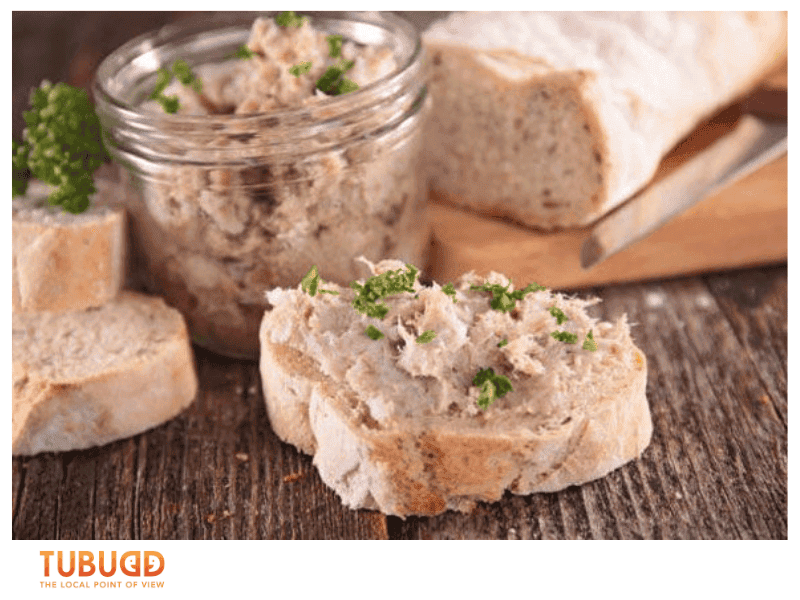
What Makes Vietnamese Pate Unique for TravelersVietnamese pate is one of those foods that quietly tells a bigger story. At its core, it is a smooth, savory spread made from pork liver, meat, fat, and spices. But in Vietnam, it is not treated as a luxury item. It is everyday food, accessible, affordable, and deeply embedded in local routines.
What makes Vietnamese pate different from Western versions is its texture and flavor profile. It is often softer, more rustic, and slightly lighter, with a balance that works perfectly when paired with bread, herbs, and pickled vegetables.
More importantly, Vietnamese pate is rarely eaten on its own. It is part of a larger composition, most famously inside bánh mì, where it acts as the foundation layer of flavor.
If you want to experience Vietnamese pate the way locals actually enjoy it, exploring street food spots with a Tubudd local buddy can help you discover authentic bánh mì stalls where the pate is made fresh and full of character.
Where to Find the Best Vietnamese Pate
Where to Find the Best Vietnamese Pate
You will rarely see Vietnamese pate presented as a standalone dish. Instead, you find it where it belongs, inside bánh mì or served with simple accompaniments.
In Hanoi, pate tends to be richer and more traditional. Many small bánh mì shops still make their own pate in house, resulting in deeper flavor and a slightly grainy texture that feels homemade.
In Ho Chi Minh City, the style is often smoother and sometimes slightly sweeter, reflecting southern taste preferences. Street vendors here are fast, efficient, and often serve long lines of customers throughout the day.
One of the best tips for travelers is to look for bánh mì stalls with high turnover. Fresh bread, freshly spread pate, and constant demand usually mean better quality.
Avoid places that rely heavily on pre packaged ingredients, as the pate may lack depth and authenticity.
Vietnamese Pate and the Story of Bánh Mì
Vietnamese Pate and the Story of Bánh Mì
To understand Vietnamese pate, you need to understand bánh mì.
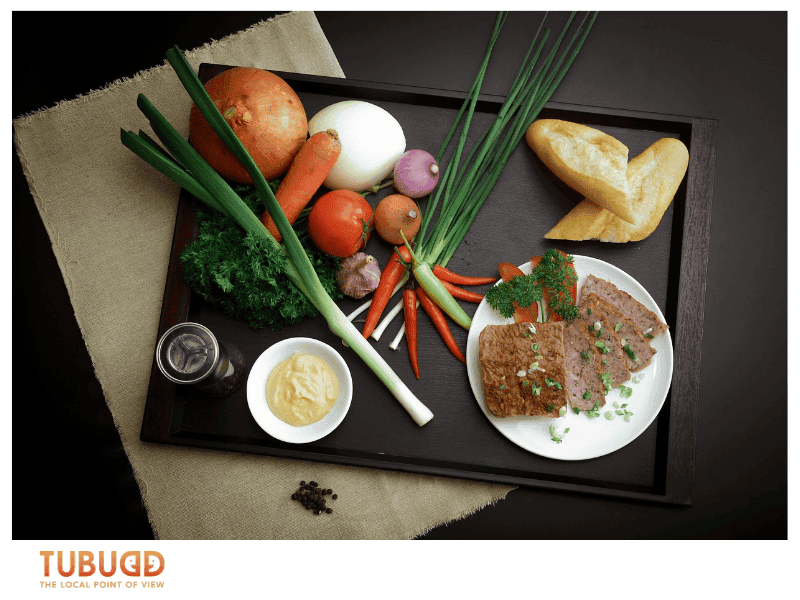
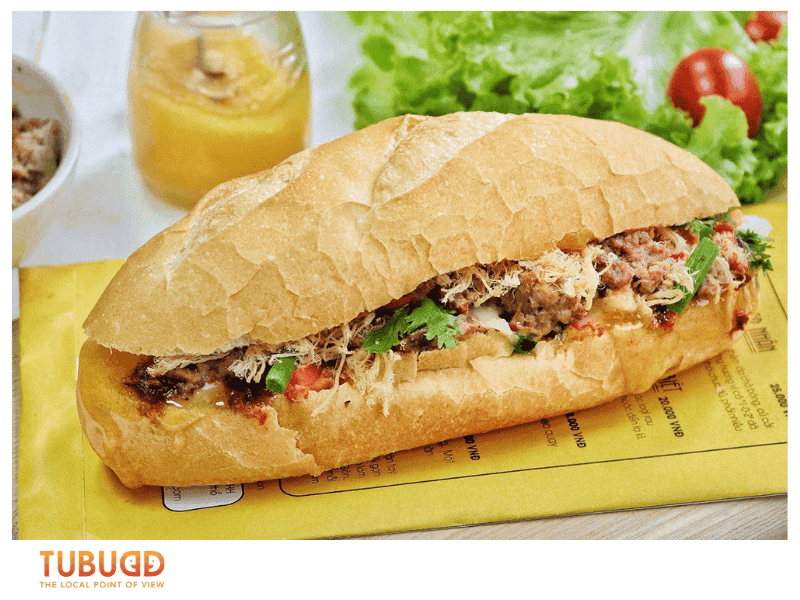
Bánh mì is one of the most iconic street foods in Vietnam, and pate is one of its essential components. The combination of crispy baguette, rich pate, cold cuts, herbs, and pickled vegetables creates a balance of textures and flavors that is hard to replicate.
This dish reflects Vietnam’s historical layers, where French culinary influence merged with local ingredients and tastes. Over time, Vietnamese people adapted pate into something uniquely their own, making it lighter, more versatile, and more suitable for everyday eating.
When you eat bánh mì, you are not just tasting a sandwich. You are experiencing a piece of cultural evolution.
How to Eat Vietnamese Pate Like a Local
The most authentic way to enjoy Vietnamese pate is simple: order a bánh mì from a busy street vendor.
You will often see the vendor slice open a warm baguette, spread a generous layer of pate, add butter or mayonnaise, then layer meats, herbs, and pickles. The result is a combination of crunch, creaminess, and freshness.
Locals typically eat bánh mì quickly, often standing or sitting on small stools, especially during breakfast or lunch.
Another way to enjoy pate is with bread and simple sides at local eateries, though this is less common than bánh mì.
If you want to go deeper into the experience, joining a Tubudd local buddy can help you understand which vendors are worth trying and how to navigate different styles across the city.
Different Variations You May Encounter
Vietnamese pate is not completely standardized. Some versions are smoother, while others are more textured.
In some places, the pate has a stronger liver flavor. In others, it is milder and more balanced with fat and spices.
Certain vendors may add their own seasoning blends, creating subtle differences that regular customers can recognize.
Trying pate in different cities or even different neighborhoods can reveal how small variations create distinct experiences.
Practical Tips for Travelers
When ordering bánh mì, you can usually customize your sandwich. If you are unsure, you can start with a classic version that includes pate and mixed fillings.
If you prefer a lighter taste, you can ask for less pate, though many would argue that this is where much of the flavor comes from.
Morning and lunchtime are the best times to try bánh mì, as ingredients are freshest and bread is often just baked.
Carrying small cash is helpful, as many street vendors do not accept cards.
Why Vietnamese Pate Is Worth Trying
Vietnamese pate may not be as visually striking as other dishes, but it plays a crucial role in one of the country’s most iconic foods.
It represents how Vietnam takes external influences and transforms them into something local, practical, and widely loved.
For travelers, it offers a chance to taste history in a very accessible form.
Conclusion
Vietnamese pate is more than a spread. It is a key part of everyday food culture in Vietnam, especially through dishes like bánh mì.
Whether you try it in a traditional shop in Hanoi or a busy street stall in Ho Chi Minh City, the experience reflects both history and daily life.
If you want to explore Vietnamese street food in a deeper and more authentic way, joining a Tubudd local buddy or a Tubudd food tour can help you discover the best spots and understand the stories behind each bite.