Vietnam Traffic Guide for Travelers: Do and Don’ts You Must Know Before Hitting the Road
Vietnam traffic can be overwhelming for first-time visitors. Learn the essential do and don’ts to stay safe, confident, and stress-free on Vietnam’s roads.
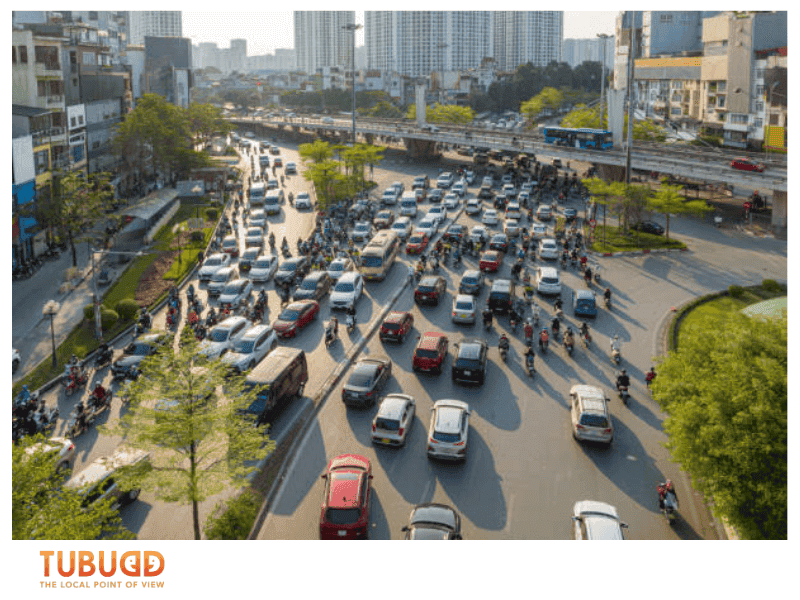
Vietnam traffic is one of the first cultural shocks many travelers experience. From endless motorbikes flowing like water to intersections with seemingly no rules, the streets of Vietnam can feel chaotic at first glance. However, once you understand the logic behind the movement, Vietnam traffic becomes surprisingly predictable. This guide breaks down the essential do and don’ts of Vietnam traffic to help travelers stay safe, confident, and respectful while navigating the country’s roads.
Do: Understand That Vietnam Traffic Runs on Flow, Not Rules
Do: Understand That Vietnam Traffic Runs on Flow, Not Rules
One of the most important things to understand about Vietnam traffic is that it operates more on flow than strict rule enforcement. While traffic laws exist, daily movement relies heavily on eye contact, anticipation, and mutual awareness. Vehicles rarely stop suddenly, and everyone expects others to keep moving steadily.
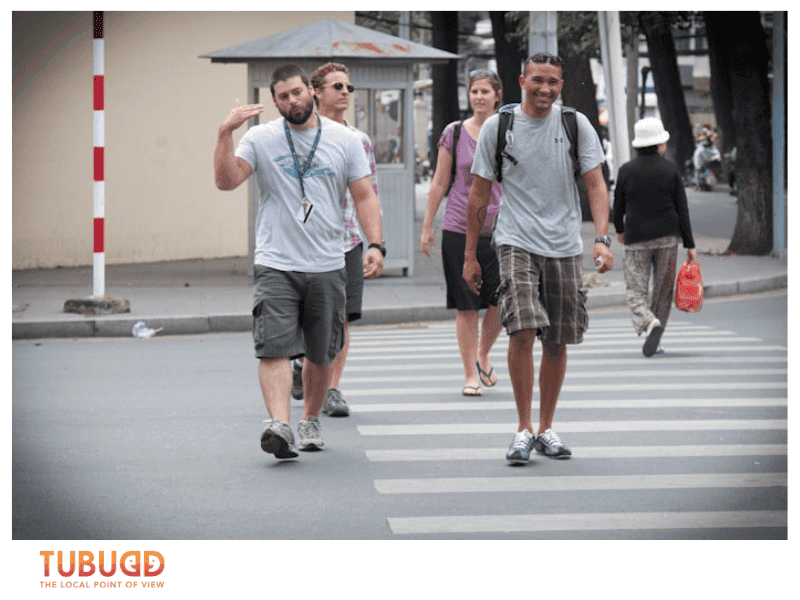
As a pedestrian or rider, hesitation can be more dangerous than confidence. When crossing the street, walk at a consistent pace and avoid sudden stops. Drivers will adjust their path around you. This concept may feel counterintuitive, but it is a fundamental part of how Vietnam traffic functions.
Observing locals for a few minutes before stepping into traffic can dramatically improve your understanding. With time, the rhythm becomes easier to follow, even in busy cities like Hanoi or Ho Chi Minh City.
Don’t: Expect Cars or Motorbikes to Fully Stop for You
Don’t: Expect Cars or Motorbikes to Fully Stop for You
In Vietnam traffic, stopping completely is not always the norm unless there is a major obstacle. Many travelers make the mistake of waiting for a clear road, which can mean waiting forever. Instead, locals cross by stepping forward slowly, allowing vehicles to flow around them.
This does not mean being reckless. It means being predictable. Sudden movements confuse drivers and increase risk. Always make sure drivers see you before stepping forward, and maintain a steady pace.
Understanding this unwritten rule can greatly reduce anxiety and help you cross busy streets more safely.
Do: Wear a Helmet and Check Your Motorbike Carefully
If you plan to ride a motorbike, wearing a helmet is non-negotiable. It is required by law and essential for safety. Choose a helmet that fits properly and is in good condition, not just a loose rental helmet.
Before riding, check the brakes, lights, horn, and mirrors. Vietnam traffic is dense, and your horn is an important communication tool rather than a sign of aggression. A quick beep often means “I’m here” rather than “move away.”
If you are inexperienced, consider riding only in quieter areas or using a motorbike with an automatic transmission. Many accidents involving tourists happen due to overconfidence or unfamiliarity with local traffic behavior.
Don’t: Drive Without the Proper License or Insurance
Don’t: Drive Without the Proper License or Insurance
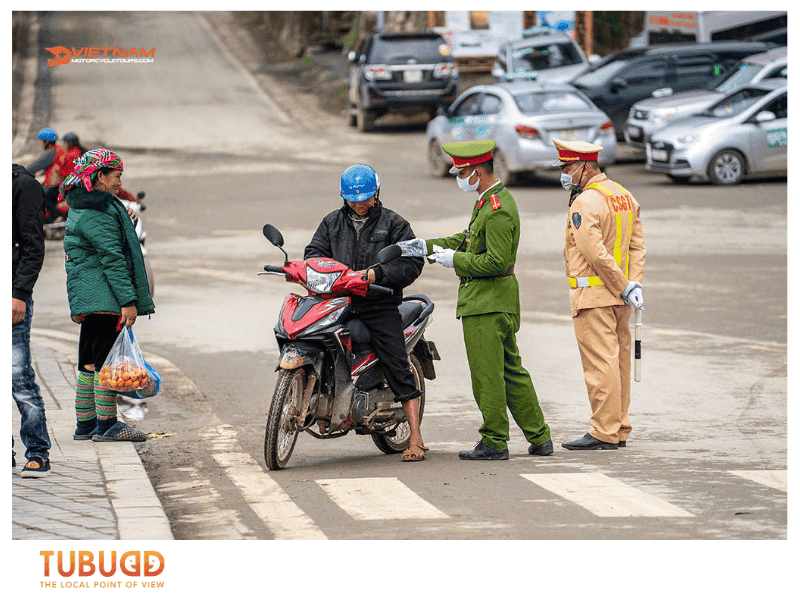
One of the most common mistakes travelers make in Vietnam traffic is riding without a valid license. Many countries’ licenses are not automatically accepted in Vietnam, and riding illegally can lead to fines or serious issues if an accident occurs.
Insurance is equally important. Without proper coverage, even a minor incident can become financially stressful. If you are unsure, hiring a driver, using ride-hailing apps, or booking guided transport through Tubudd Tours can be a safer and more relaxing alternative.
Vietnam traffic is manageable, but only when you respect the legal and practical realities.
Do: Use Ride-Hailing Apps for Convenience and Safety
Ride-hailing apps are widely used in Vietnam and are often the easiest way for travelers to move around. They remove the need for price negotiation and reduce language barriers. You can track your route, see driver information, and pay digitally.
For first-time visitors, this is an excellent way to experience Vietnam traffic without the stress of navigating it yourself. Motorbike taxis are especially efficient in congested cities and give you a front-row seat to how local traffic flows.
If you want deeper insight into how locals move around the city, a Tubudd Local Buddy can help you understand transport options and even guide you through your first rides.
Don’t: Assume Sidewalks Are Only for Pedestrians
In Vietnam traffic culture, sidewalks are shared spaces. They may be used for parking, street food stalls, vendors, and sometimes even as extra road space during congestion. Travelers often assume sidewalks are safe zones and walk without paying attention.
Always stay alert, even on the sidewalk. Look out for motorbikes entering or exiting, especially near shops or intersections. This awareness helps prevent surprises and minor accidents.
Understanding how flexible public space is used will help you move more comfortably and respectfully.
Do: Be Extra Careful During Rush Hours
Vietnam traffic changes dramatically during rush hours, usually early morning and late afternoon. Streets become more crowded, patience runs thinner, and travel times increase significantly.
If possible, plan sightseeing outside peak hours. Early mornings are ideal for walking, cycling, or photography, while mid-day often offers a calmer traffic flow. This is especially important in major cities where congestion can be intense.
Travelers who plan their days around traffic patterns often enjoy a smoother and less stressful experience.
Don’t: Panic When Things Feel Chaotic
Vietnam traffic can feel overwhelming at first, especially in large cities. The noise, movement, and density can trigger anxiety for many travelers. However, panic leads to poor decisions.
Take a breath, observe, and move deliberately. Locals are skilled at navigating this environment and are generally aware of tourists. Staying calm and predictable is your best defense.
If you feel uncomfortable, step back, ask for help, or choose alternative transport. There is no shame in prioritizing safety and comfort.
Do: Learn Basic Traffic Signals and Hand Gestures
Non-verbal communication plays a big role in Vietnam traffic. Hand gestures, eye contact, and body positioning often signal intent. Learning a few basic gestures can improve your confidence.
A raised hand often means “please slow down” or “I am crossing.” Eye contact confirms that a driver has seen you. Small cues like these make interactions smoother and safer.
Spending time with a local guide can help you pick up these subtle but important signals quickly.
Don’t: Underestimate Rural Roads
While city traffic gets most of the attention, rural Vietnam traffic presents different challenges. Roads may be narrow, poorly lit, or shared with animals and pedestrians. Vehicles can appear suddenly, and signage may be limited.
Drive slower, especially at night or in unfamiliar areas. Expect the unexpected, from livestock crossings to unmarked construction zones. Rural traffic requires patience and adaptability.
Travelers exploring remote areas may prefer private drivers or guided routes through Tubudd Tours for added safety and local knowledge.
Navigating Vietnam Traffic with Confidence
Vietnam traffic is not something to fear, but it does require understanding and respect. Once you learn the do and don’ts, moving around becomes less stressful and even fascinating. The roads reflect daily life, community habits, and an unspoken cooperation among millions of people.
For travelers who want to explore Vietnam more deeply without worrying about transport, Tubudd offers Local Buddy services, custom tours, and airport fast track options to make every journey smoother. With the right mindset and preparation, Vietnam traffic becomes part of the adventure rather than an obstacle.