When Is the Best Time to Visit Vietnam Rice Fields? A Complete Seasonal Guide
Discover the best time to visit Vietnam rice fields, from golden harvest seasons to lush green landscapes, with practical travel tips and destinations.
Vietnam rice fields change dramatically throughout the year. Knowing when to visit can turn a simple منظر into a breathtaking travel experience.
Why Vietnam Rice Fields Change So Much Throughout the Year
Why Vietnam Rice Fields Change So Much Throughout the Year
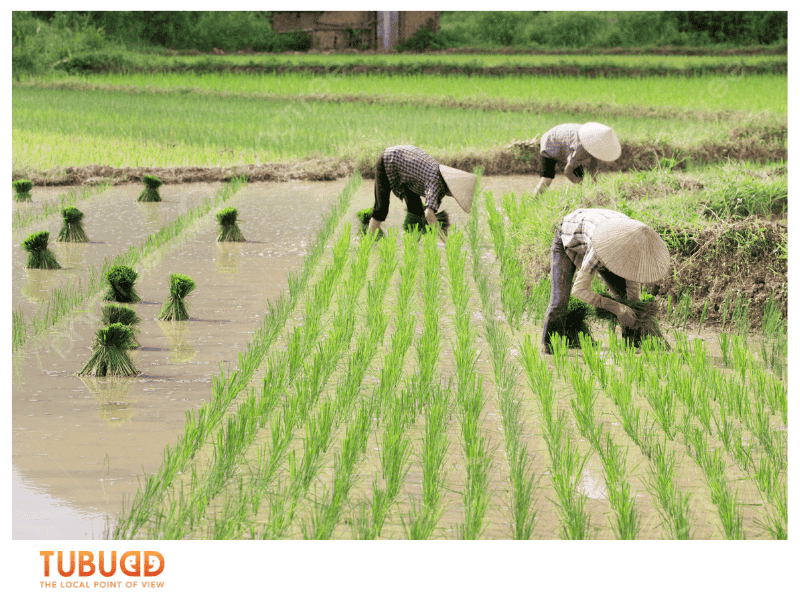
When travelers search for “vietnam rice fields,” they often imagine endless golden terraces under soft sunlight. While that image is real, it only appears at specific times of the year. In Vietnam, rice fields go through multiple stages, from flooded mirrors reflecting the sky to vibrant green growth and finally golden harvest landscapes.
This transformation depends heavily on regional climate and farming cycles. Northern mountainous areas, central regions, and southern plains all have different planting and harvesting times. This means there is no single “perfect” moment for the entire country, only the best timing for each destination.
Understanding these cycles is essential if you want to plan your trip around the most visually stunning period rather than arriving when fields are empty or newly planted.
If you want to align your travel timing with real local conditions instead of guessing, exploring with a Tubudd local buddy can help you choose the right place at the right time based on actual seasonal changes.
Best Time to Visit Northern Vietnam Rice Fields
Best Time to Visit Northern Vietnam Rice Fields
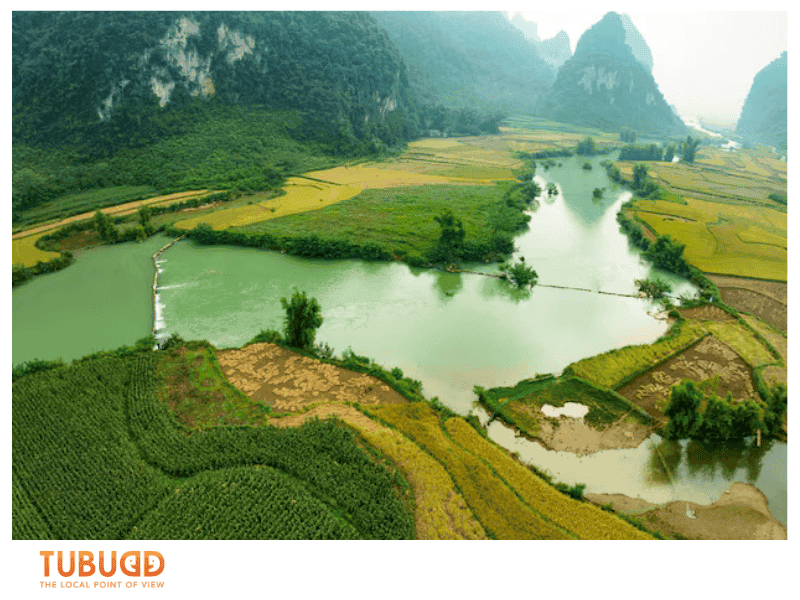
Northern Vietnam is home to some of the most iconic rice terraces, especially in places like Sapa and Mu Cang Chai. These areas are known for dramatic mountain landscapes combined with layered rice fields.
The best time to visit is usually between May and June, when fields are filled with water. During this period, the terraces reflect the sky, creating a mirror-like effect that is visually unique and perfect for photography.
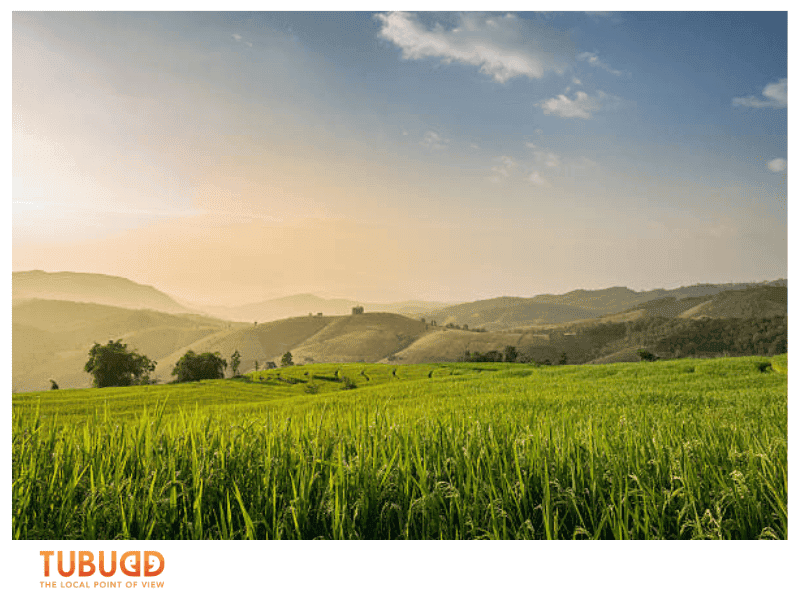
Another peak season is from September to early October, when the rice turns golden and is ready for harvest. This is the most famous time, as the landscape becomes warm, vibrant, and incredibly scenic.
Between these periods, especially in mid-summer, the fields are green and lush, offering a different but equally beautiful experience.
Best Time to Visit Central and Southern Rice Fields
In central Vietnam, rice fields are less mountainous but still visually appealing, often located near coastal plains and rural villages.
In southern Vietnam, especially in the Mekong Delta region, rice farming follows a different rhythm. Areas like Mekong Delta can have multiple harvests per year due to the tropical climate.
This means you can see green or golden fields at different times depending on the specific area and season. However, the dry season, typically from December to April, is often more comfortable for travel, with better road conditions and clearer weather.
Unlike the north, where timing is more precise, the south offers more flexibility, but less dramatic terraced landscapes.
How to Choose the Right Time Based on Your Travel Style
How to Choose the Right Time Based on Your Travel Style
Choosing the best time to visit Vietnam rice fields depends on what kind of experience you want.
If you are looking for iconic photography and dramatic scenery, the golden harvest season in northern Vietnam is the best choice.
If you prefer fewer crowds and unique reflections, the water-filled season offers a quieter and more artistic atmosphere.
If flexibility is more important and you are traveling across multiple regions, southern Vietnam provides more consistent opportunities to see rice fields throughout the year.
It is also important to consider weather conditions. Mountain areas can be foggy or rainy, while southern regions are generally warmer and more stable.
Balancing visual appeal with travel comfort will help you make the best decision.
Tips for Visiting Vietnam Rice Fields
Visiting rice fields is not just about timing. A few practical tips can improve your experience significantly.
Wear comfortable shoes, as many rice field areas involve walking or trekking.
Respect local farming activities. These are working landscapes, not just tourist attractions.
Visit early in the morning or late afternoon for better light and fewer crowds.
Bring a camera, but also take time to observe and enjoy the atmosphere beyond photography.
If you want to go beyond viewpoints and actually walk through villages, interact with locals, and understand how rice farming works, joining a Tubudd local buddy or a Tubudd rural tour can turn a scenic visit into a meaningful cultural experience.
Why Vietnam Rice Fields Are Worth Visiting
Vietnam rice fields are more than just landscapes. They represent tradition, daily life, and the connection between people and nature in Vietnam.
From the terraced mountains of Sapa to the wide plains of the Mekong Delta, each region offers a different perspective on agriculture and rural life.
For travelers, these fields provide a chance to slow down, step away from urban environments, and experience a quieter side of Vietnam.
Conclusion
The best time to visit Vietnam rice fields depends on where you go and what you want to see. Golden harvest seasons in the north offer iconic views, while southern regions provide flexibility throughout the year.
By understanding seasonal cycles and choosing the right destination, you can turn a simple visit into one of the most memorable parts of your journey in Vietnam.