Saigon Dry Season vs Rainy Season: Which Is the Best Time to Visit Ho Chi Minh City?
Compare Saigon dry season vs rainy season to find the best time for your trip. Learn about weather, crowds, activities, travel costs, and local experiences in Ho Chi Minh City.
One of the most common questions travelers ask before visiting Vietnam's largest city is whether they should come during the dry season or the rainy season. The truth is that both periods offer unique advantages. Understanding the differences between Saigon dry season vs rainy season can help you choose the perfect time based on your travel style, budget, and interests.
Understanding Saigon Dry Season vs Rainy Season
Unlike destinations with four distinct seasons, Ho Chi Minh City has a tropical climate divided into two main periods: the dry season and the rainy season.
The dry season typically runs from December to April, while the rainy season usually lasts from May to November. Temperatures remain relatively consistent throughout the year, generally ranging between 25°C and 35°C. The biggest differences come from rainfall, humidity, and overall travel conditions.
Understanding Saigon Dry Season vs Rainy Season
When comparing Saigon dry season vs rainy season, many first-time visitors automatically assume the dry season is always better. While it certainly offers more predictable weather, the rainy season has its own appeal that many experienced travelers appreciate.
Choosing the right season depends less on the weather itself and more on the type of experience you're hoping to have in Ho Chi Minh City.
Dry Season: Best for Sightseeing and First-Time Visitors
Dry Season: Best for Sightseeing and First-Time Visitors
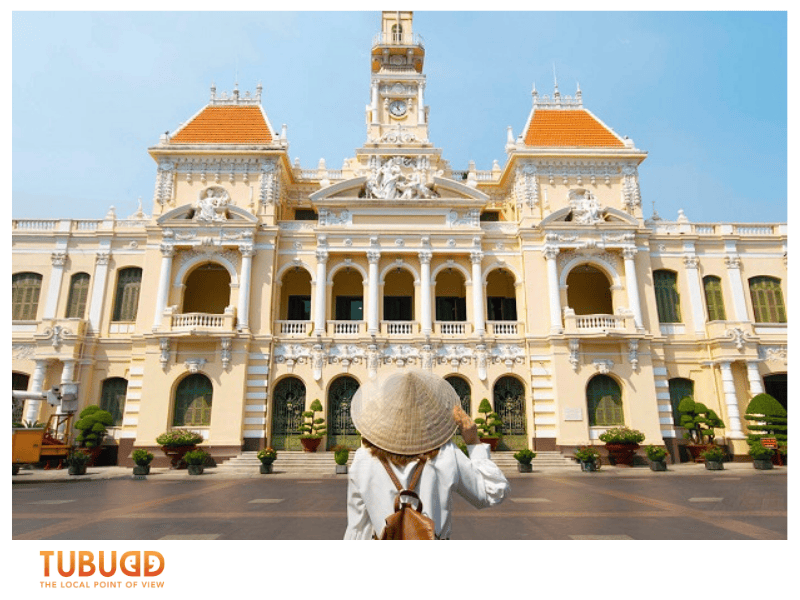
For travelers visiting Vietnam for the first time, the dry season is often the easiest and most comfortable period to explore the city.
The main advantages of the dry season include:
Lower chance of rain disrupting plans
Clearer skies for photography
More comfortable walking conditions
Better visibility for city views
Easier day trips and outdoor activities
More predictable travel schedules
This is why discussions about Saigon dry season vs rainy season often favor the dry season for first-time visitors.
Between December and February, humidity levels are relatively manageable, making it easier to spend long hours exploring neighborhoods, markets, and cultural attractions. Outdoor experiences such as food tours, walking tours, and riverside activities are particularly enjoyable during this period.
The downside is that this is also the peak tourism season. Hotels may charge higher rates, popular attractions become busier, and some restaurants require advance reservations during major holiday periods.
Travelers who prioritize convenience and ideal sightseeing conditions often find these trade-offs worthwhile.
Rainy Season: Fewer Crowds and a More Local Experience
Rainy Season: Fewer Crowds and a More Local Experience
When discussing Saigon dry season vs rainy season, the rainy season is often underestimated.
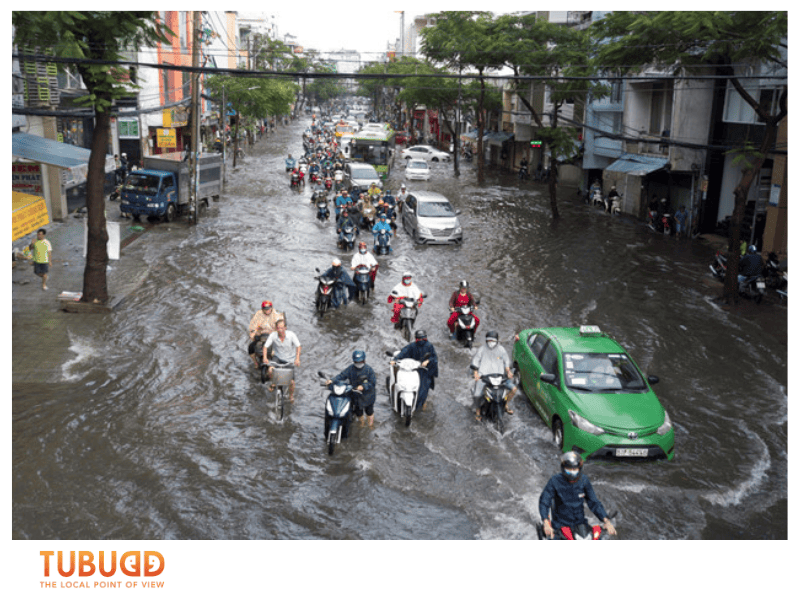
Many people imagine constant rainfall, but the reality is quite different. Most rain showers are short, intense, and predictable. It is common for a sunny morning to be followed by an afternoon shower lasting less than an hour before the skies clear again.
The rainy season offers several benefits:
Lower hotel prices
Fewer tourists
Easier access to popular attractions
Greener city landscapes
More authentic local atmosphere
Better opportunities for spontaneous exploration
Because fewer international visitors travel during this period, many neighborhoods feel more relaxed. Local cafés, markets, and restaurants continue operating as usual, allowing travelers to experience a more everyday version of the city.
For photographers, rainy season can be surprisingly rewarding. Wet streets create dramatic reflections, cloud formations add atmosphere to cityscapes, and post-rain sunsets can be spectacular.
Many long-term visitors argue that the rainy season offers a more authentic perspective on life in Ho Chi Minh City.
Saigon Dry Season vs Rainy Season: Which One Matches Your Travel Style?
The easiest way to compare Saigon dry season vs rainy season is to think about what kind of traveler you are.
If you prefer predictable weather, extensive sightseeing, and outdoor exploration, the dry season will likely suit you best. This is especially true if you're visiting Vietnam for the first time and want the easiest possible travel experience.
On the other hand, if you enjoy discovering local culture, avoiding crowds, and finding better travel deals, the rainy season may actually be the more rewarding choice.
Here's a quick comparison:
Choose the dry season if: you prioritize sightseeing, walking tours, photography, and outdoor activities.
Choose the rainy season if: you prefer fewer crowds, lower costs, local experiences, and a slower travel pace.
Regardless of the season, Ho Chi Minh City remains one of Southeast Asia's most energetic destinations. The food scene, coffee culture, nightlife, and local communities continue thriving throughout the year.
This is one reason personalized experiences have become increasingly popular. Rather than relying on a fixed itinerary, travelers can adapt their plans according to weather conditions and personal interests.
A Tubudd Local Buddy can help visitors discover the best neighborhoods, cafés, food spots, and local experiences no matter which season they choose.
How Weather Affects Day Tours in Saigon
When comparing Saigon dry season vs rainy season, it is also worth considering how weather influences day tours.
During the dry season, travelers can comfortably spend entire days outdoors exploring historical landmarks, local markets, and food streets. Morning-to-evening itineraries are easier to plan because weather disruptions are less likely.
During the rainy season, successful itineraries often combine outdoor exploration with indoor experiences. Travelers may start the day at markets and cultural attractions before moving to cafés, museums, or creative spaces during afternoon showers.
The flexibility of a private tour becomes particularly valuable during this period. Instead of following a rigid schedule, travelers can adjust plans based on real-time weather conditions.
This personalized approach often results in a more enjoyable experience regardless of the season.
Conclusion
When it comes to Saigon dry season vs rainy season, there is no universally correct answer. The dry season offers clear skies, comfortable sightseeing conditions, and easier travel planning, while the rainy season provides fewer crowds, lower costs, and a more authentic local atmosphere.
Ultimately, the best season depends on your travel style and priorities. Whether you visit during the sunny months or the rainy period, Ho Chi Minh City has something exciting to offer year-round. With local insights from a Tubudd Local Buddy or a personalized itinerary from Tubudd Tours, you can make the most of your trip no matter when you decide to visit.