What Is Pork in Vietnamese Cuisine? A Complete Guide for Food Lovers
Discover pork in Vietnamese cuisine, from popular dishes to how locals cook and enjoy pork across different regions of Vietnam.
Pork in Vietnamese cuisine is everywhere, from street food to home-cooked meals. Understanding how it is used will help you explore Vietnam’s food culture more deeply.
Why Pork Is So Important in Vietnamese Cuisine
Why Pork Is So Important in Vietnamese Cuisine
When talking about “pork in Vietnamese” cuisine, it is impossible to ignore how central this ingredient is to daily life in Vietnam. Pork is not just popular because of taste, but also because of accessibility and versatility. It is widely available, relatively affordable, and can be prepared in countless ways, making it a staple in both street food and home cooking.
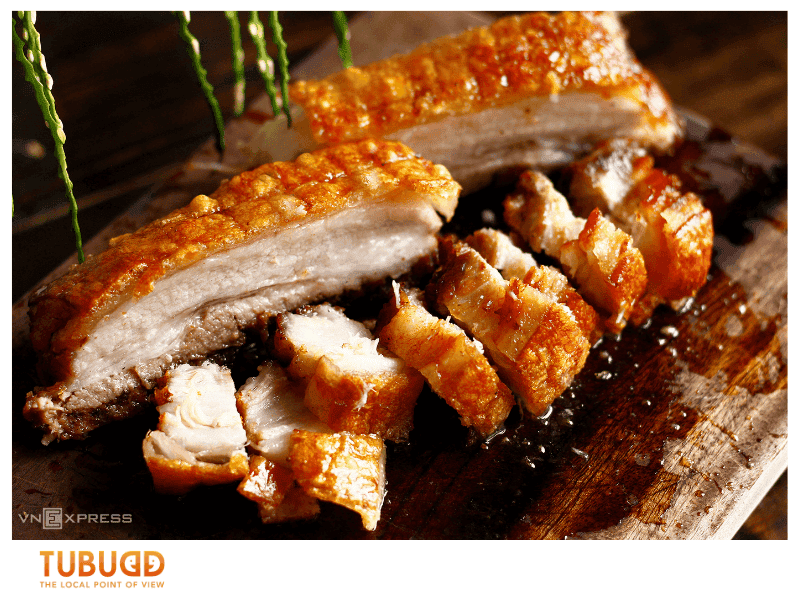
Unlike some cuisines where a single cut of meat dominates, Vietnamese cooking uses almost every part of the pig. From tenderloin to belly, from minced pork to pork skin, each part has its own role in different dishes. This reflects a practical and resourceful approach to food, where nothing is wasted and every ingredient is valued.
For travelers, understanding pork in Vietnamese cuisine is like unlocking a large part of the country’s food map. Many of the dishes you will encounter daily include pork in some form, even if it is not immediately obvious.
If you want to explore these dishes beyond tourist menus and understand how locals actually enjoy them, joining a food journey with a Tubudd local buddy can help you discover authentic spots and hidden favorites.
Popular Vietnamese Pork Dishes You Should Try
Popular Vietnamese Pork Dishes You Should Try
Vietnamese cuisine offers a wide variety of pork dishes, each with its own flavor profile and cooking method. Here are some of the most popular ones you are likely to encounter:
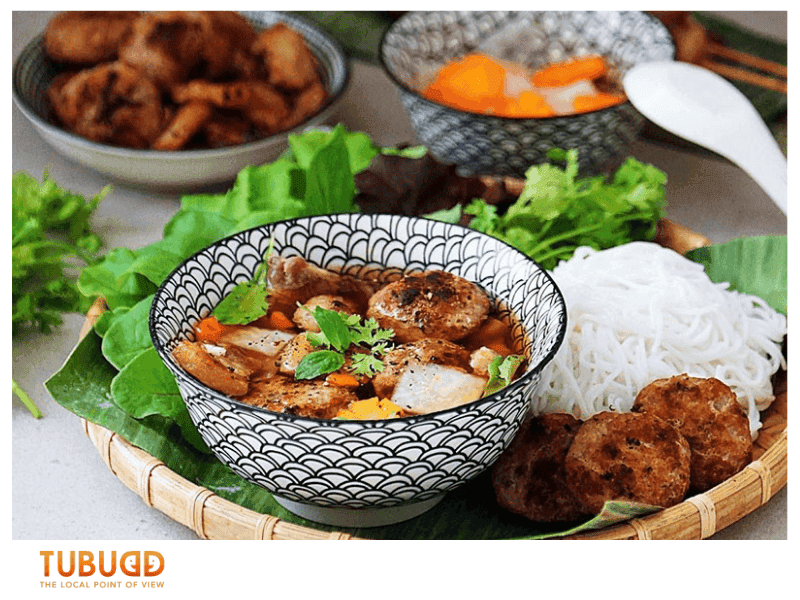
Bún chả: Grilled pork served with rice noodles, herbs, and dipping sauce, especially famous in Hanoi.
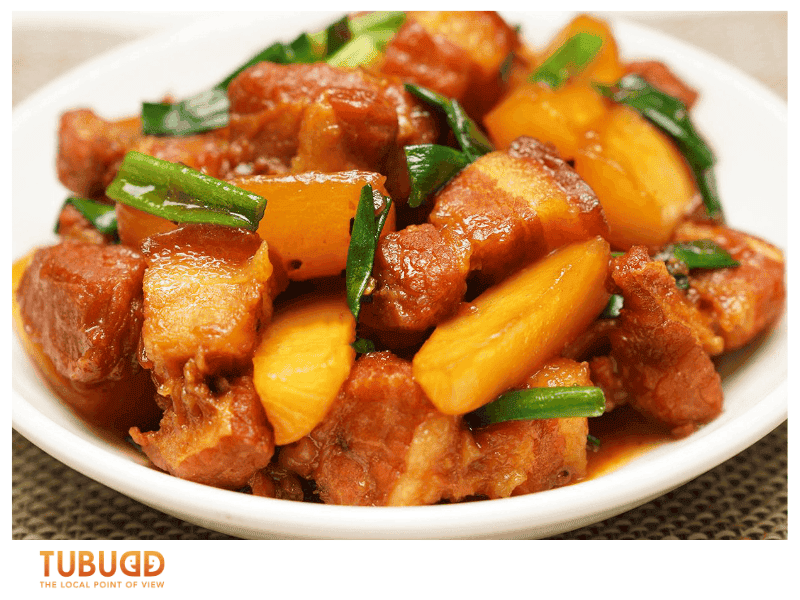
Thịt kho tàu: Braised pork with eggs in a caramelized sauce, commonly found in home-cooked meals.
Bánh mì thịt: Vietnamese sandwich with pork, pate, herbs, and pickled vegetables.
Nem nướng: Grilled pork skewers often served with rice paper and fresh herbs.
Chả giò: Fried spring rolls filled with minced pork and vegetables.
Hủ tiếu: Noodle soup that often includes slices of pork alongside other toppings.
These dishes show how pork can be grilled, braised, fried, or used in soups, creating a wide range of textures and flavors.
Regional Differences in Pork Dishes
Regional Differences in Pork Dishes
The way pork is prepared varies across regions in Vietnam, reflecting local taste preferences and ingredients.
In northern Vietnam, especially in Hanoi, pork dishes tend to be lighter and more balanced. Grilled pork dishes like bún chả focus on natural flavors without heavy seasoning.
In central regions, flavors are often stronger and more complex, sometimes with spicy or fermented elements that create deeper taste profiles.
In the south, particularly in Ho Chi Minh City, pork dishes are often slightly sweeter and more flexible in terms of ingredients. You may also notice more variations and combinations in street food.
Understanding these regional differences helps travelers appreciate how the same ingredient can be transformed in different ways.
How to Eat Pork Dishes Like a Local
Eating pork in Vietnam is rarely a solo experience. Meals are often shared, with multiple dishes placed in the center of the table.
You will usually combine pork with rice, noodles, or fresh herbs to balance flavors. For example, grilled pork is often eaten with herbs and dipped in sauce, creating a mix of textures and tastes in each bite.
Street food culture also plays a big role. Many pork dishes are enjoyed casually, sitting on small stools by the roadside, surrounded by the sounds and energy of the city.
If you want to fully experience how locals eat pork dishes, from choosing the right stall to understanding how to combine ingredients, exploring with a Tubudd local buddy can make the experience more immersive and less overwhelming.
Tips for Travelers When Trying Pork in Vietnam
Trying pork dishes in Vietnam is generally safe and enjoyable, but a few tips can help improve your experience.
Choose busy places where food turnover is high, as this usually means fresher ingredients.
If you are unsure about certain cuts or ingredients, do not hesitate to ask or observe what others are eating.
Be open to trying different textures, as Vietnamese cuisine uses parts of the pork that may be less common in other countries.
Balance your meals with vegetables and herbs, which are always served alongside pork dishes and help enhance the overall flavor.
Conclusion
Pork in Vietnamese cuisine is more than just an ingredient. It is a foundation that connects many of the country’s most popular dishes and everyday meals in Vietnam.
From street food classics in Hanoi to diverse variations in Ho Chi Minh City, pork plays a central role in shaping the flavors of Vietnam.
If you want to explore Vietnamese food beyond the basics and truly understand how pork is used across different dishes, joining a Tubudd local buddy or a Tubudd food tour can help you discover authentic experiences and local favorites that most travelers miss.