Explore Phu Quoc Prison: A Dark Chapter of Vietnam’s Past
Dive into the haunting history of Phu Quoc Prison, a key historical site in Vietnam. This guide covers its significance, how to visit, key exhibits, and tips for a meaningful day trip.
Phu Quoc Prison, a stark reminder of Vietnam’s turbulent past, stands on the idyllic shores of Phu Quoc Island. This guide unveils the prison’s historical weight, offers practical travel advice, and highlights what to explore for a poignant, educational visit.
The Historical Significance of Phu Quoc Prison
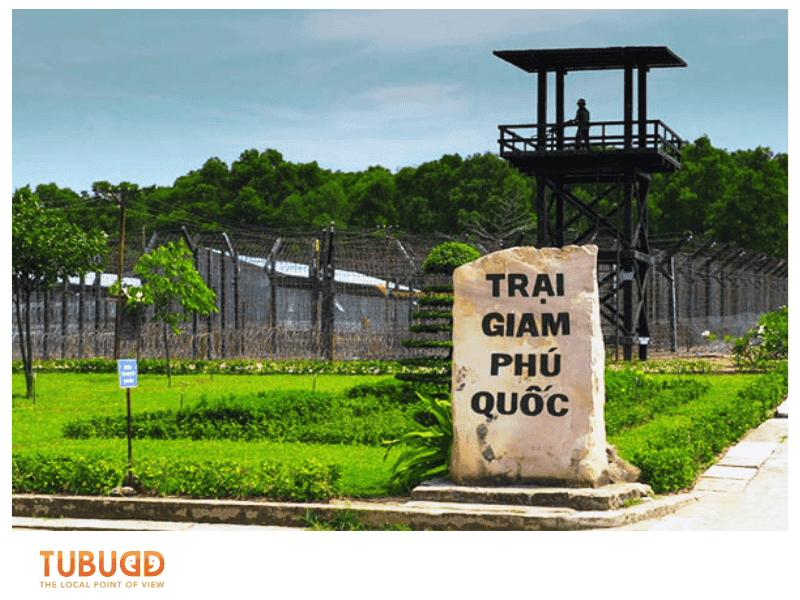
The Historical Significance of Phu Quoc PrisonPhu Quoc Prison, also known as Coconut Tree Prison (Nha Lao Cay Dua), is a haunting testament to Vietnam’s wartime struggles, located on the serene Phu Quoc Island in Kien Giang Province. Built in 1949 by French colonialists as An Thoi Prison to detain Vietnamese independence fighters, it later became a brutal incarceration site under the South Vietnamese government during the Vietnam War (1955-1975). Holding over 40,000 prisoners at its peak, it was notorious for its inhumane conditions and torturous methods, including the infamous “tiger cages.”
The prison’s history reflects Vietnam’s resilience. Prisoners, primarily political dissidents and Viet Cong members, endured extreme hardship in cramped, barbed-wire cages under scorching heat. After the war, the site was preserved as a national historical relic, opened to the public in 1995 to educate visitors about the sacrifices made for Vietnam’s reunification. Today, it stands as a sobering contrast to Phu Quoc’s beaches, drawing history buffs, students, and travelers seeking to understand the nation’s past.
Visiting costs little, entry is 30,000 VND ($1.20 USD), with a full day trip, including transport and meals, ranging from 500,000-1,500,000 VND ($20-60 USD). The site’s compact layout makes it ideal for a half-day visit, though its emotional intensity requires mental preparation. Eco-conscious travelers appreciate the site’s minimal environmental impact, while platforms like Tubudd offer local guides who share firsthand stories, deepening the experience. Phu Quoc Prison is more than a museum; it’s a window into Vietnam’s enduring spirit amidst a dark chapter.
Getting to Phu Quoc Prison
Getting to Phu Quoc Prison
Reaching Phu Quoc Prison begins with arriving on Phu Quoc Island, accessible from major Vietnamese cities or regional hubs. Flights from Ho Chi Minh City or Hanoi to Phu Quoc International Airport take 1-2 hours, with tickets starting at 1,000,000 VND ($40 USD) one-way. Ferries from Rach Gia or Ha Tien (2-3 hours, ~200,000 VND, $8 USD) offer a budget-friendly, scenic route across the Gulf of Thailand.
The prison, located in An Thoi town, is 28 km south of Duong Dong (Phu Quoc’s main town) and 20 km from the airport. Grab taxis cover the distance in 30-40 minutes for 200,000-350,000 VND ($8-14 USD). Motorbike rentals (150,000 VND/day, ~$6 USD) provide flexibility along roads like DT46, passing fishing villages and palm-lined beaches. Bicycles (50,000 VND/day) are feasible for fit travelers, though the 1-hour ride can be taxing in the heat. VinBus routes (e.g., Route 19, An Thoi stop) are free and drop off 1 km from the prison, followed by a short walk or taxi.
Organized tours, starting at 600,000 VND ($24 USD), bundle transport, entry, and guided commentary, ideal for historical context. Booking in advance, especially during the dry season (November-April), ensures availability. Early departures (8-9 AM) avoid midday heat and crowds, particularly during Vietnam’s public holidays like Reunification Day (April 30). The journey, framed by Phu Quoc’s coastal vistas, contrasts with the prison’s somber atmosphere, preparing visitors for a reflective experience.
What to Discover at Phu Quoc Prison
What to Discover at Phu Quoc Prison
Phu Quoc Prison offers a poignant array of exhibits and experiences that bring its history to life:
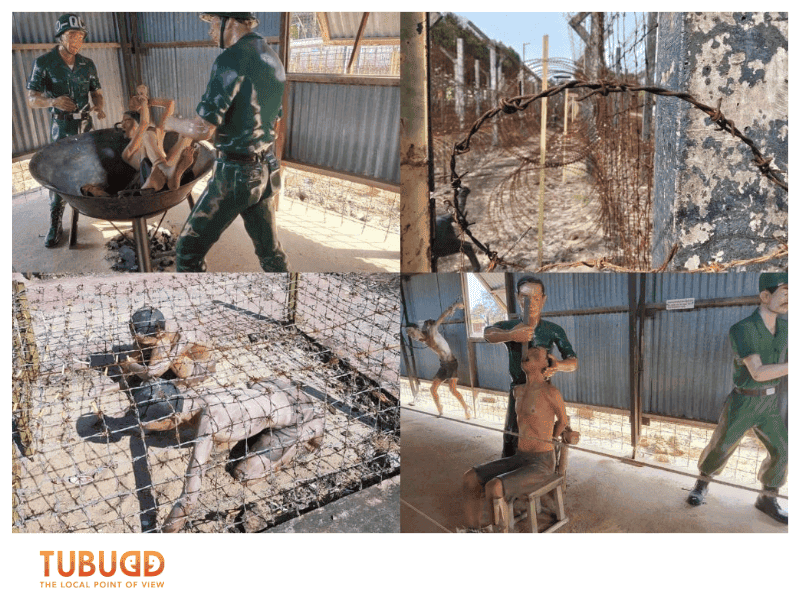
Tiger Cages Exhibit: Explore the reconstructed barbed-wire cages, measuring 1.5m x 2.5m, where prisoners were confined. Informative plaques detail their brutal conditions. Takes 20-30 minutes; included in the 30,000 VND entry.
Museum Displays: View artifacts like shackles, torture tools, and prisoner uniforms, alongside photos and documents chronicling the prison’s history. Takes 30-45 minutes; housed in a small but impactful museum hall.
Life-Size Dioramas: Observe detailed mannequins depicting prisoner life, from forced labor to escape attempts. These vivid recreations, spread across the site, enhance understanding and take 15-20 minutes.
Memorial Area: Pay respects at the monument honoring prisoners, surrounded by coconut trees symbolizing resilience. A quiet space for reflection, taking 10-15 minutes.
Nearby Attractions: Pair with a visit to Sao Beach (5 km away) for a serene contrast or An Thoi Port (2 km) for local seafood. Cycle nearby trails for coastal views.
These elements combine education with emotional weight, offering insights into Vietnam’s past against Phu Quoc’s tropical backdrop.
Practical Tips for Visiting Phu Quoc Prison
A well-planned visit to Phu Quoc Prison ensures a meaningful experience.
The dry season (November-April) offers sunny days ideal for travel; May-October brings rain, which can make outdoor areas slippery. Visit early (8-9 AM) to avoid heat and ensure a quieter, more reflective tour.
Pack appropriately: Wear lightweight, respectful clothing (avoid shorts or sleeveless tops out of respect for the site’s gravity). Sturdy shoes suit the uneven grounds. Bring sunscreen, a hat, and a reusable water bottle to stay hydrated and support eco-tourism. Carry cash (500,000-1,000,000 VND) for entry, transport, and meals, as cards are rarely accepted. Tip guides 20,000-50,000 VND for insightful tours.
Safety notes: Stay on marked paths to avoid uneven terrain. The site’s graphic exhibits may be intense for some; prepare mentally and consider skipping for young children. Use official ticket booths to avoid scams. For dining, try nearby An Thoi eateries like Nha Hang Huynh Nhu for seafood or vegetarian spring rolls (50,000-100,000 VND). Book transport or tours via apps or WhatsApp to ensure reliability.
Sustainability matters: Respect the site by not littering and supporting local vendors. For deeper historical context, use Tubudd to connect with local guides who share personal stories tied to the prison’s legacy. These tips ensure a respectful, enriching visit.
Sample Itinerary: Depart Duong Dong at 8:30 AM by motorbike (150,000 VND). Arrive at Phu Quoc Prison (9:00 AM, 30,000 VND) for a 1.5-hour tour of exhibits and cages. Lunch at a local eatery (11:00 AM, 80,000 VND). Visit Sao Beach for a relaxing break (12:30-2:30 PM). Cycle to An Thoi Port (3:00-4:00 PM). Return by 5:00 PM.
For a tailored experience, book a Tubudd local buddy to uncover the untold stories of Phu Quoc Prison. Download the app now for an unforgettable journey into Vietnam’s past!