Oceanographic Museum: Discover Vietnam’s Window Into the Underwater World
Explore the Oceanographic Museum in Vietnam, where marine life, ocean science, and coastal culture come together. Learn what to see, where it is, and how to plan a meaningful visit.
Behind Vietnam’s beautiful beaches lies a lesser-known world shaped by currents, coral, and centuries of life beneath the surface. Visiting an oceanographic museum offers a chance to understand this hidden side of the sea, blending education, conservation, and quiet wonder into a surprisingly memorable experience.
What Is the Oceanographic Museum and Why It Matters
What Is the Oceanographic Museum and Why It MattersThe Oceanographic Museum, commonly referring to the Vietnam National Oceanographic Museum in Nha Trang, is one of the country’s most important scientific and educational institutions. Established in the early twentieth century, it plays a key role in studying marine ecosystems along Vietnam’s long coastline.
Unlike typical tourist attractions, the oceanographic museum focuses on knowledge rather than spectacle. Its purpose is to document marine biodiversity, preserve specimens, and raise awareness about ocean conservation. For travelers, this creates an experience that feels thoughtful and grounding, especially in a country so closely connected to the sea.
Walking through the museum helps visitors understand how fishing, coastal life, climate, and marine protection are deeply intertwined in Vietnam’s history and future.
Where the Oceanographic Museum Is Located and How to Visit
The Oceanographic Museum is located in Nha Trang, a coastal city known for its beaches and islands. It sits slightly outside the busy tourist center, near Cau Da Port, making it easy to combine with a harbor visit or a quiet seaside walk.
Reaching the museum is simple by taxi, motorbike, or ride-hailing services. The drive offers views of the coastline and fishing boats, setting the tone before you even arrive. Most visitors spend one to two hours exploring the museum, making it a perfect half-day activity.
Travelers who prefer deeper context may choose to visit with a Tubudd Local Buddy, who can explain how the museum connects to Nha Trang’s fishing culture and marine economy beyond what display labels provide.
What You Will See Inside the Oceanographic Museum
What You Will See Inside the Oceanographic Museum
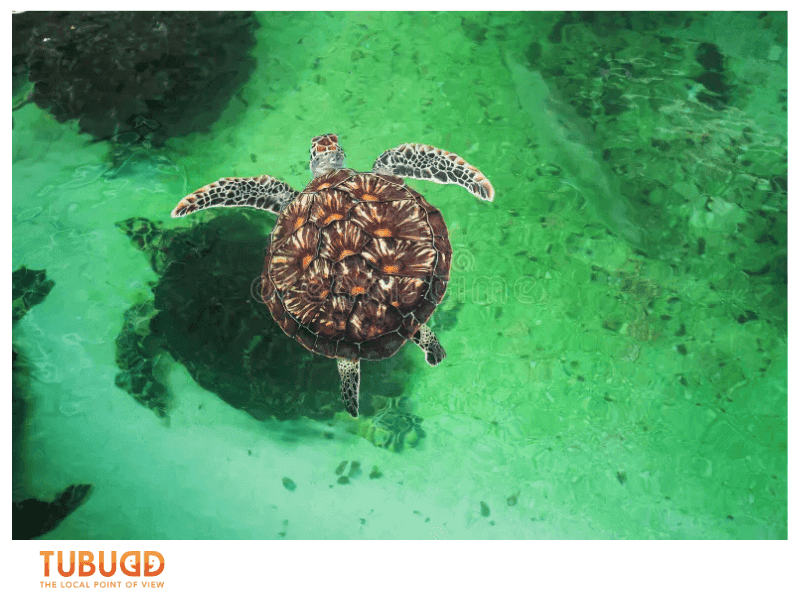
Inside the oceanographic museum, exhibits are divided into live aquariums and preserved collections. The aquariums showcase a variety of marine species native to Vietnamese waters, including reef fish, sharks, rays, and sea turtles. These tanks are designed to reflect natural habitats rather than dramatic entertainment displays.
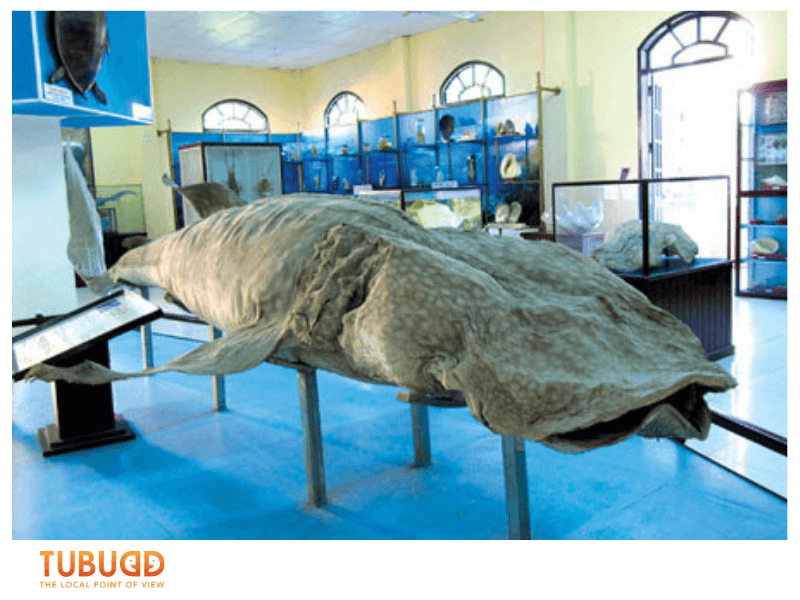
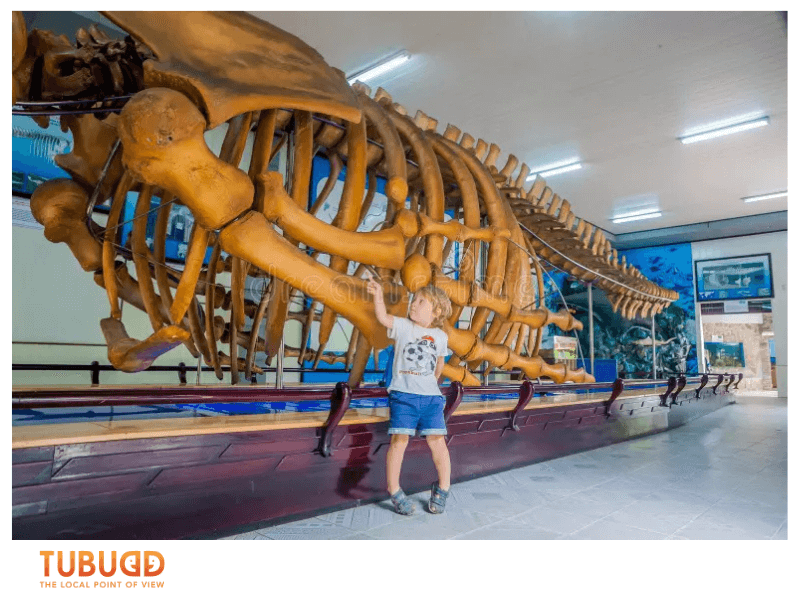
The preserved specimen section is one of the museum’s most striking features. Large skeletons of whales and dugongs highlight the scale of marine life once common along Vietnam’s coast. Smaller displays introduce coral species, mollusks, and deep-sea creatures, offering insight into ecosystems rarely seen by divers or snorkelers.
There are also sections dedicated to marine research, ocean currents, and human interaction with the sea. Together, these exhibits create a quiet narrative about exploration, responsibility, and respect for nature.
When Is the Best Time to Visit the Oceanographic Museum
When Is the Best Time to Visit the Oceanographic MuseumThe oceanographic museum can be visited year-round, but mornings are usually the most comfortable time. Early visits allow you to explore at a relaxed pace before tour groups arrive, and the cooler temperatures make the walk around the complex more pleasant.
Rainy days are actually ideal for museum visits, especially in coastal cities where outdoor plans may be disrupted. The indoor exhibits provide a calm alternative to beach activities, while still keeping you connected to the ocean.
If you are traveling during peak seasons, planning your visit with local insight helps avoid crowds and align your schedule with nearby attractions. Tubudd Tours can easily integrate the oceanographic museum into a broader cultural or coastal itinerary.
Why the Oceanographic Museum Is Worth Your Time
What makes the oceanographic museum special is its quiet impact. It does not rely on spectacle, but on understanding. Visitors leave with a clearer sense of how rich and fragile Vietnam’s marine world is, and why conservation matters in everyday life.
For travelers who enjoy learning as part of their journey, the museum offers depth beyond beaches and resorts. It adds context to seafood markets, fishing villages, and island tours you may experience elsewhere in Vietnam.
Visiting the oceanographic museum is a reminder that travel is not only about places, but about perspectives. With the support of a Tubudd Local Buddy or a thoughtfully planned Tubudd Tour, this visit can become a meaningful pause in your coastal adventure, connecting curiosity, culture, and care for the sea.