Muong Hoa Valley: Sapa’s Lush Tapestry of Terraces and Traditions
Trek through Muong Hoa Valley, Sapa’s breathtaking expanse of rice terraces and ethnic villages. Discover top trails, cultural gems, and 2025 travel tips.
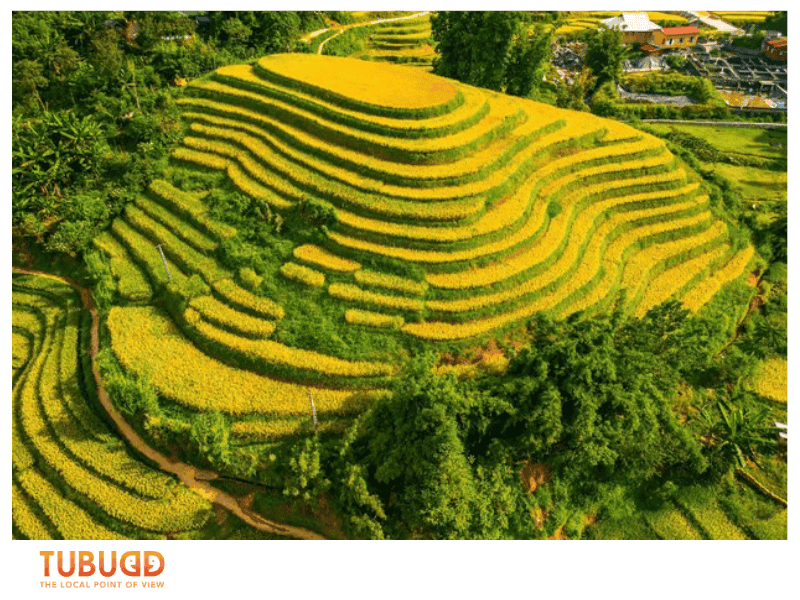
Step into a world where emerald rice terraces cascade down misty mountains, wooden stilt houses hum with H’Mong songs, and ancient rock carvings whisper secrets of the past. Muong Hoa Valley, just 10 km from Sapa town in Lao Cai Province, is northern Vietnam’s crown jewel, blending natural splendor with the vibrant cultures of H’Mong and Dao communities. Drawing over 200,000 visitors in 2025, per tourism data, this UNESCO-recognized landscape offers treks through lush fields and intimate encounters with local traditions.
The Enchanting Essence of Muong Hoa Valley
The Enchanting Essence of Muong Hoa ValleyMuong Hoa Valley unfurls along the Muong Hoa River, framed by the towering Hoang Lien Son range. Its terraced fields, carved over centuries by ethnic minorities, create a patchwork of green and gold that shifts with the seasons—lush in spring, golden in autumn. The valley is home to villages like Ta Van, Lao Chai, and Hau Thao, where H’Mong and Dao locals preserve traditions like indigo dyeing, rice farming, and communal storytelling. Access is free, though village entries cost 20,000 VND ($0.80 USD), supporting community tourism. With cool weather (15–25°C) and trails for all levels, Muong Hoa Valley is a trekker’s paradise and a cultural haven, offering an authentic glimpse into Sapa’s rural soul.
The valley’s history adds depth to its beauty. Ancient rock carvings, dating back 2,000 years, dot the landscape, their mysterious symbols still puzzling archaeologists. The H’Mong and Dao, who make up 80% of the valley’s population, maintain a way of life tied to the land, with festivals and markets showcasing their crafts and cuisine. Unlike Sapa’s busier tourist hubs, Muong Hoa Valley feels intimate, with trails winding through rice paddies and villages where time seems to stand still. It’s a must-visit for anyone seeking Vietnam’s natural and cultural treasures.
Muong Hoa Valley is Sapa’s masterpiece, where nature and culture intertwine in a way few destinations can match. Its terraced fields, often called “stairways to the sky,” rival global wonders like Bali’s rice paddies, while its ethnic villages offer authentic connections with H’Mong and Dao locals. Affordable (daily costs under $20 USD) and immersive, it appeals to trekkers, photographers, and cultural explorers. Whether you’re hiking through golden fields or sharing rice wine with a H’Mong family, Muong Hoa Valley delivers a profound experience.
Top Things to Do in Muong Hoa Valley
Top Things to Do in Muong Hoa ValleyMuong Hoa Valley offers a wealth of experiences blending adventure and culture. Here’s how to immerse yourself in 2025:
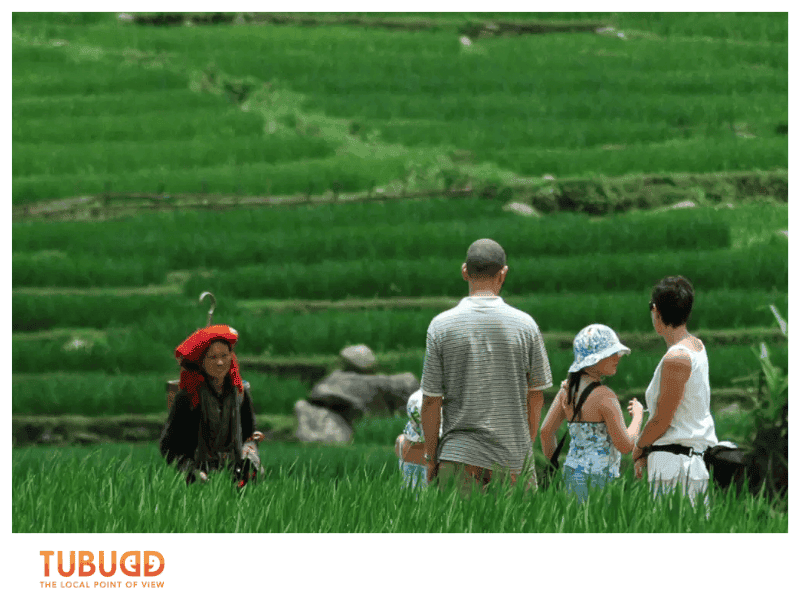
Hike the Lao Chai–Ta Van Trail: Trek this 6-km route (2–3 hours, guided tours 300,000 VND/$12 USD) for jaw-dropping views of terraced fields and misty peaks. Local H’Mong guides share stories of village life, making it a cultural journey.
Visit Ethnic Villages: Explore Ta Van (20,000 VND/$0.80 USD entry) to see H’Mong stilt houses and try homemade rice wine (10,000 VND/$0.40 USD). Lao Chai’s textile market sells handwoven scarves and bags (100,000 VND/$4 USD), perfect for souvenirs.
Uncover Ancient Rock Carvings: Hike to Hau Thao (5 km from Ta Van, guided tours 200,000 VND/$8 USD) to see 2,000-year-old stone engravings etched with mysterious symbols. Morning treks offer clearer views.
Stay in a Homestay: Spend a night in Ta Van or Cat Cat (150,000 VND/$6 USD, including meals) for authentic H’Mong meals like thang co (pork stew, 50,000 VND/$2 USD) and fireside chats with locals.
Capture the Scenery: Photograph the valley’s golden harvest (September–October) or misty mornings (March–April) from Ta Van Bridge or hilltop viewpoints. Bring a wide-angle lens for the sprawling terraces.
These activities, spanning 4 - 8 hours depending on your pace, blend physical adventure with cultural immersion. Guided treks ensure safety and enrich the experience with local insights.
Pairing Your Valley Adventure with Sapa’s Gems
Pairing Your Valley Adventure with Sapa’s Gems
To create a full Muong Hoa Valley experience, pair it with Sapa’s nearby attractions. Start your day at Fansipan Peak (20 km away, cable car 800,000 VND/$32 USD), Vietnam’s highest mountain, for panoramic views of misty peaks. For lunch, visit A Phu Restaurant (15 Fansipan Street, Sapa town, dishes from 80,000 VND/$3.20 USD) for ga nuong(grilled chicken) or wild mushroom hotpot. Explore Cat Cat Village (3 km from Sapa, 70,000 VND/$2.80 USD) for H’Mong cultural shows, waterfalls, and indigo dyeing workshops (100,000 VND/$4 USD).
For a deeper dive, join a Sapa market tour (200,000 VND/$8 USD) to Bac Ha Market (70 km away, Sundays only), where locals sell herbs, textiles, and buffalo. In the evening, relax at Sapa Night Market (near Sapa Square, open 6–10 PM) with street food like banh cuon (30,000 VND/$1.20 USD). These pairings weave Muong Hoa Valley into Sapa’s vibrant cultural and culinary landscape, creating a day or two of unforgettable exploration.
Want to wander Muong Hoa Valley? Book a Local Buddy with Tubudd for a tailored trek through Sapa’s terraced paradise.
Tips for Visiting Muong Hoa Valley in 2025
To make your Muong Hoa Valley adventure seamless in 2025, follow these practical tips:
Visit in Harvest Season: September to October offers golden terraces and mild weather (15–20°C), perfect for trekking and photography. March to May is lush and green; avoid December–February for fog and cold (5–10°C).
Hire a Local Guide: Book through Sapa Sisters or Topas Travel (300,000 VND/$12 USD) for safe, culturally sensitive treks. Local H’Mong guides ensure respectful village visits.
Dress for Trekking: Wear sturdy hiking shoes, layered clothing for variable weather, and a raincoat for sudden showers (50–100 mm monthly in summer). A backpack is handy for water and snacks.
Carry Cash: Village fees, homestays, and market purchases require cash. Keep 10,000–50,000 VND notes for small transactions.
Respect Local Culture: Ask permission before photographing villagers, avoid disrupting rituals, and follow guide instructions in sacred areas.
Get There Easily: Take a bus from Hanoi to Sapa (300,000 VND/$12 USD, 6 hours) or a private car (2,500,000 VND/$100 USD). In Sapa, rent a motorbike (150,000 VND/$6 USD/day) or use taxis (100,000 VND/$4 USD) to reach the valley.
For a personalized trek, book a Local Buddy with Tubudd to navigate Muong Hoa Valley’s trails and villages with insider knowledge.
Final Thoughts on Muong Hoa Valley
Muong Hoa Valley is Sapa’s beating heart, where terraced fields, ancient carvings, and ethnic traditions weave a tapestry of natural and cultural beauty. From trekking scenic trails to sleeping in stilt houses, every moment feels like a step into Vietnam’s rural soul. Affordable, authentic, and endlessly captivating, it’s a must-visit for travelers seeking adventure and connection. Pair your trek with Sapa’s markets or peaks, and you’ll carry the valley’s magic with you. Lace up your hiking boots, and let Muong Hoa Valley enchant your senses.