Does It Snow in Northern Vietnam? Unveiling the Magical Side of Vietnam’s Winter
Discover whether it snows in Northern Vietnam and why this rare phenomenon turns mountain towns like Sapa and Ha Giang into dreamy winter escapes.
Imagine standing on a mountain ridge, the air crisp and thin, as tiny white flakes begin to fall over rice terraces. You’re still in Vietnam but it feels like another world entirely. While most people picture tropical beaches and humid jungles, Northern Vietnam hides a secret: during the coldest months, snow sometimes graces its highest peaks, transforming familiar landscapes into scenes of quiet wonder.
The Curious Charm of a Tropical Country’s Winter
The Curious Charm of a Tropical Country’s Winter
Vietnam isn’t usually the place people imagine snowflakes drifting from the sky. The country’s reputation for humid summers, golden beaches, and lush green rice fields makes the idea of snowfall sound almost mythical. Yet, as temperatures drop and mist rolls over the northern highlands, something truly enchanting happens , sometimes, snow does fall in Northern Vietnam.
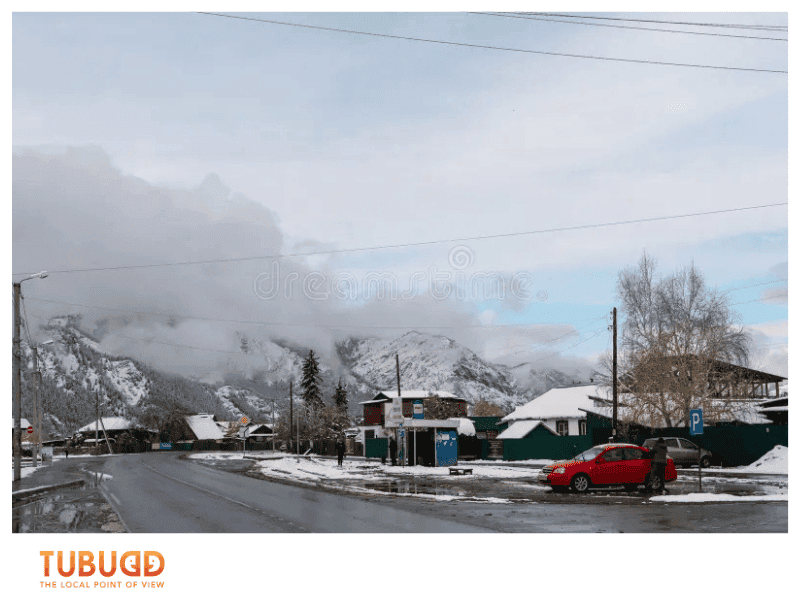
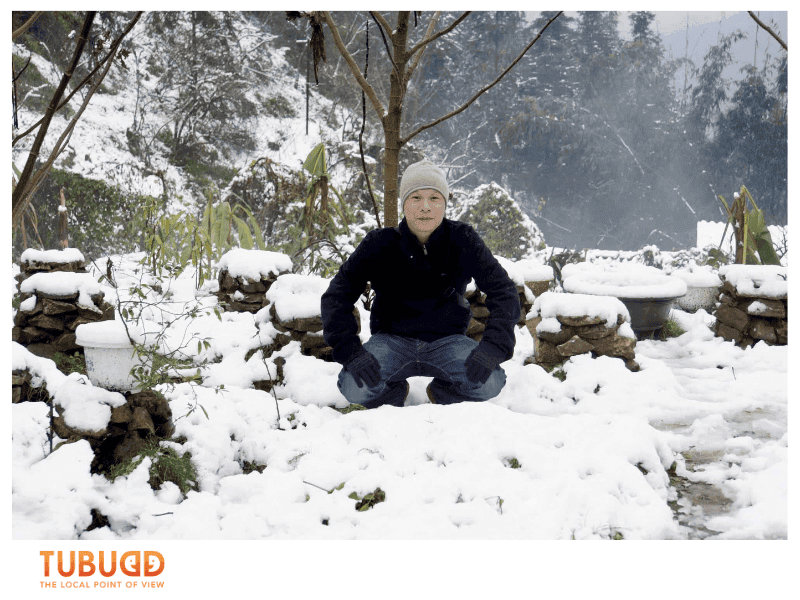
This magical transformation is rare, but it’s real. In the coldest months , mainly December and January , travelers might witness a light dusting of white over the rugged mountains of Sapa, Ha Giang, or Mau Son. And when it happens, the contrast between tropical landscapes and icy touches creates one of Vietnam’s most surreal natural scenes.
Where Can You See Snow in Northern Vietnam?
Where Can You See Snow in Northern Vietnam?
If you’re chasing snow in Vietnam, you’ll need to head as far north as possible. The phenomenon only occurs in a few mountain areas, where elevations climb above 1,500 meters and temperatures can drop near or below zero.
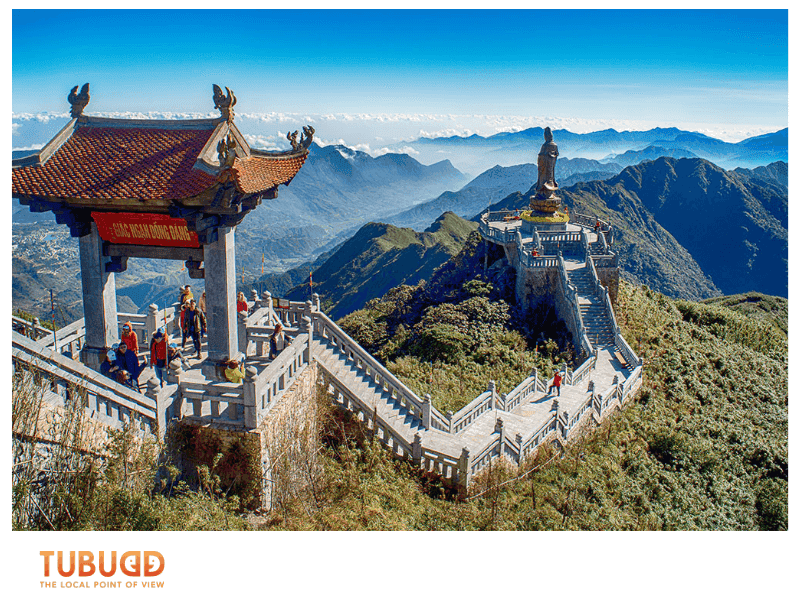
Sapa (Lao Cai Province): The most famous winter destination in Vietnam. On rare years, snow covers Mount Fansipan and the terraced valleys, turning Sapa into a fairytale village in the clouds.
Mau Son (Lang Son Province): Located near the Chinese border, this quiet mountain area often records the lowest temperatures in the country and occasionally witnesses thin layers of frost or snow.
Ha Giang: While not as consistent as Sapa, the limestone mountains of Ha Giang can surprise visitors with frosty mornings and occasional snow flurries, especially around Dong Van and Meo Vac.
Sin Ho (Lai Chau Province): A less-visited gem often dubbed “the second Sapa,” where you can experience the chill and local life untouched by mass tourism.
What Makes Snow So Rare in Vietnam?
Vietnam lies entirely within the tropical zone, meaning its climate is dominated by monsoon winds, not Arctic airflows. However, the northern highlands are an exception.
During winter (December to February), cold air masses from China move south, and when they collide with the moist air from the East Sea, temperatures in elevated regions can suddenly plunge.
Snow only forms when the temperature drops below freezing (0°C) and humidity stays high , a combination that doesn’t happen every year. That’s why even locals treat snowfalls in Vietnam like a festival, rushing to the mountains to catch the brief white wonder before it melts away.
What to Expect if You Visit Northern Vietnam in Winter
What to Expect if You Visit Northern Vietnam in Winter
Winter in Northern Vietnam isn’t only about chasing snow , it’s about the entire atmosphere of mist, chill, and mountain serenity. From Hanoi up to the Chinese border, the season changes the country’s rhythm:
Hanoi: Cool and romantic, averaging 15–20°C. The city feels calmer, wrapped in fog and coffee-scented air.
Sapa and Ha Giang: Cold (sometimes below 5°C), with fog, drizzle, and a mystical landscape. Pack warm layers and waterproof shoes.
Ha Long Bay: Pleasantly cool, less crowded, and great for boat tours without the summer heat.
If you’re not lucky enough to catch the snow, you’ll still find beauty in the mist-covered terraces, quiet mornings, and steaming hotpot dinners shared in cozy mountain lodges.
How to Experience the Most of Vietnam’s Winter
Traveling through Northern Vietnam during winter requires a bit of planning , but the rewards are worth it.
Here are some practical tips to make your trip unforgettable:
Pack smart: Bring thick jackets, scarves, gloves, and waterproof footwear. It’s colder than most expect.
Plan flexible dates: Snow is unpredictable, so having flexible travel days increases your chances.
Avoid heavy crowds: When snow appears, many domestic tourists rush north. Try visiting right after the peak weekend.
Embrace local warmth: Stay in a homestay, sip ginger tea by a fire, and talk with locals about how the weather shapes their daily lives.
And if you want a deeper, insider experience, consider booking a Local Buddy through Tubudd , someone who lives in the region, knows the best mountain trails, hidden cafes, and can guide you to the most scenic winter moments safely.
Conclusion
So, does it snow in Northern Vietnam? Yes , but not often. It’s a fleeting gift from nature, appearing only when the coldest winds meet the highest peaks.
But even when the snow doesn’t fall, winter in Northern Vietnam carries its own quiet magic , the mist weaving through valleys, the smell of wood smoke, the laughter from a mountain market. It’s a reminder that even in a tropical land, there’s room for wonder and surprise.