Artichoke Tea Dalat Vietnam: A Complete Guide to This Highland Herbal Treasure
Discover everything about artichoke tea Dalat Vietnam, from its health benefits and flavor profile to where to buy authentic products and how to brew it properly.
Artichoke tea Dalat Vietnam is one of the most iconic herbal drinks from the Central Highlands. Known for its refreshing taste and liver detox benefits, this golden infusion has become a must try specialty for travelers visiting Dalat.
Why Artichoke Tea Dalat Vietnam Is So Famous
Why Artichoke Tea Dalat Vietnam Is So Famous
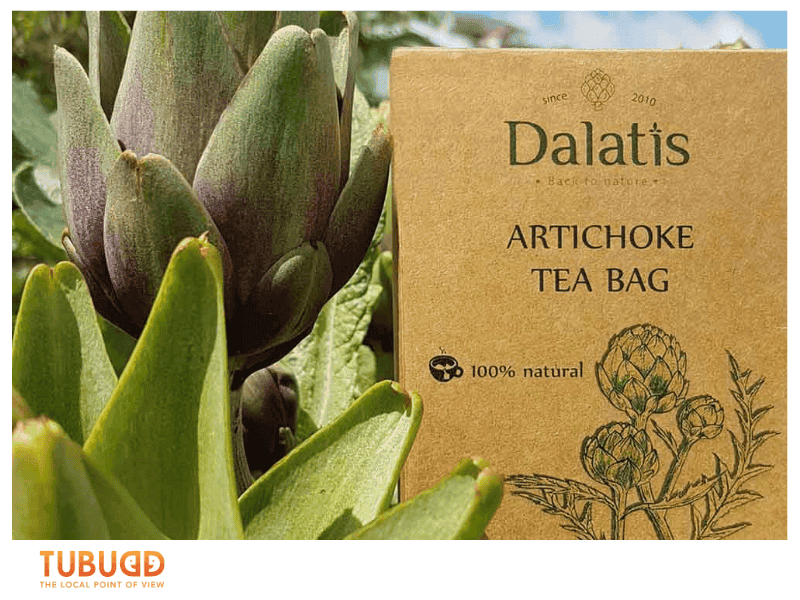
When people visit Da Lat, they often think of cool mountain air, pine forests, and vibrant flower gardens. Yet among all local specialties, artichoke tea stands out as a signature product closely tied to the city’s identity. Thanks to Dalat’s mild climate and fertile soil, artichokes grow exceptionally well here, producing thick petals and nutrient rich leaves ideal for herbal tea production.
Artichoke tea Dalat Vietnam is not just a beverage. It represents the agricultural pride of the region and reflects the Vietnamese tradition of using natural herbs to support health. You will find it served in homes, restaurants, souvenir shops, and even offered as a welcome drink in some hotels. For many travelers, tasting artichoke tea is part of experiencing the authentic rhythm of Dalat life.
If you want to explore local farms, visit authentic production workshops, or understand how highland agriculture shapes Dalat’s culinary culture, a Tubudd local buddy can guide you beyond tourist shops and help you discover genuine local producers.
What Does Artichoke Tea Taste Like
What Does Artichoke Tea Taste Like
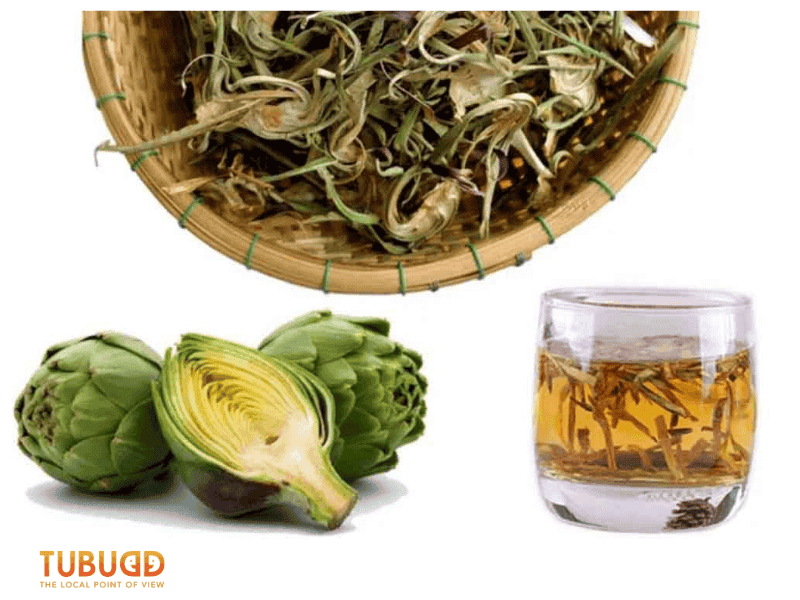
Many first time visitors are surprised by the flavor. Artichoke tea Dalat Vietnam has a light golden color with a mild, slightly sweet taste. It carries gentle herbal notes and a subtle earthy finish. Unlike strong green tea or bitter medicinal herbs, artichoke tea feels smooth and refreshing, making it easy to drink both hot and cold.
There are several common forms available in Dalat. Fresh artichoke flower tea is brewed from petals and has a delicate aroma. Dried sliced artichoke tea offers a more concentrated herbal flavor. Instant artichoke tea, often sold in convenient sachets, is slightly sweeter and designed for quick preparation. Some variations combine artichoke with pandan leaves or stevia for additional fragrance and sweetness.
Because of its natural cooling properties, many locals enjoy it iced during warmer days. In Dalat’s cool climate, however, a warm cup of artichoke tea is especially comforting in the evening.
Health Benefits of Artichoke Tea Dalat Vietnam
One major reason artichoke tea has gained popularity across Vietnam is its perceived health benefits. Artichoke is rich in antioxidants, particularly cynarin and silymarin compounds, which are commonly associated with liver support. In traditional Vietnamese herbal practices, artichoke tea is often consumed to help detoxify the body and improve digestion.
Many people believe it supports liver function, reduces cholesterol levels, improves skin clarity, and aids in relieving heatiness caused by oily or spicy foods. While scientific research continues to explore the full extent of these benefits, artichoke tea remains widely appreciated as a gentle, natural wellness drink.
In Vietnamese households, it is common to drink artichoke tea after festive meals or during hot seasons to maintain internal balance. The concept of balancing internal heat and supporting the liver aligns with long standing Eastern health philosophies.
How Artichoke Is Grown in Dalat
How Artichoke Is Grown in Dalat
The success of artichoke tea Dalat Vietnam begins in the fields. Dalat sits at an elevation of around 1500 meters above sea level. The cool temperatures and consistent humidity create ideal conditions for cultivating high quality artichokes. Farmers carefully monitor soil nutrients and irrigation to ensure healthy growth.
Harvesting usually takes place when the buds are still tender. The petals and stems are separated and processed quickly to preserve freshness. Some producers dry the slices naturally under controlled temperatures, while others use modern dehydration technology to maintain consistent quality.
Because Dalat has become synonymous with artichoke production, many local cooperatives focus on sustainable farming methods. When buying artichoke tea, looking for reputable local brands or certified producers can ensure better quality and authenticity.
Where to Buy Authentic Artichoke Tea in Dalat
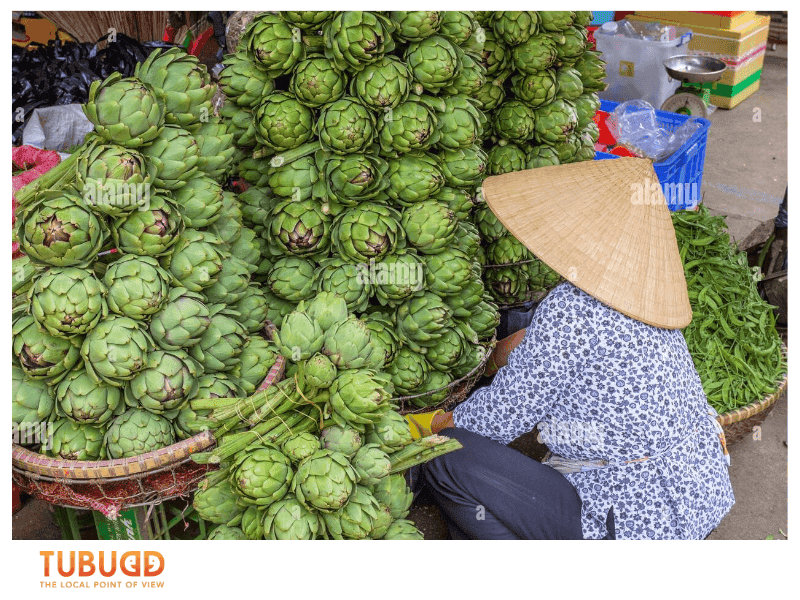
Visitors can easily find artichoke tea throughout Dalat, especially in markets and specialty stores. Dalat Market is one of the most popular shopping spots, offering a wide range of packaged teas in different formats. However, quality can vary significantly between vendors.
For a more reliable purchase, consider established Dalat tea brands or farm direct shops. Some local farms even allow visitors to tour their facilities and sample freshly brewed tea. This gives you a clearer understanding of the production process and ensures you are not buying low grade products mixed with artificial flavoring.
If you are unsure where to shop or want to avoid tourist pricing, a Tubudd local buddy can recommend trusted stores, negotiate fair prices, and help you select high quality products suitable for gifts or personal use.
How to Brew Artichoke Tea Properly
Brewing artichoke tea Dalat Vietnam is simple but doing it correctly enhances the flavor. If you are using dried slices, rinse them quickly with warm water before steeping. Add the slices to hot water around 90 to 95 degrees Celsius and let them infuse for about 10 to 15 minutes. The longer you steep, the stronger the herbal notes become.
For fresh petals, a shorter brewing time of 5 to 10 minutes is often enough. If you prefer a sweeter taste, you may add a small amount of rock sugar, although many people enjoy it plain to preserve its natural flavor.
Instant artichoke tea only requires dissolving the powder in hot or cold water. However, if you want a more authentic experience, traditional brewing with dried slices is recommended.
Artichoke tea can be stored in the refrigerator and consumed within one to two days. Many locals prepare a large batch and enjoy it chilled throughout the day.
Is Artichoke Tea Worth Bringing Home
Absolutely. Artichoke tea Dalat Vietnam makes a practical and culturally meaningful souvenir. It is lightweight, easy to pack, and represents a distinctive agricultural product from the Central Highlands. Compared to fragile handicrafts, tea travels well and offers a taste memory long after your trip ends.
When choosing products to bring home, check expiration dates and ingredient lists. High quality artichoke tea should contain a high percentage of real artichoke extract with minimal artificial additives.
Because it is caffeine free, artichoke tea is suitable for most people, including those who avoid traditional tea or coffee. Sharing it with friends and family also provides an opportunity to tell the story of Dalat’s cool climate and farming traditions.
Final Thoughts on Artichoke Tea Dalat Vietnam
Artichoke tea Dalat Vietnam is more than just a herbal drink. It reflects the agricultural heritage of Da Lat and the Vietnamese approach to natural wellness. With its mild sweetness, refreshing taste, and reputed health benefits, it has earned its place as one of the most beloved specialties of the Central Highlands.
Whether you are sipping a warm cup in a mountain café or bringing a few boxes home as gifts, artichoke tea offers a gentle connection to Dalat’s landscape and lifestyle. If you want to explore deeper into local farms, discover hidden tea workshops, or understand the cultural significance behind this highland treasure, traveling with a Tubudd local buddy can transform a simple tasting experience into a meaningful cultural journey.