Vietnam Visa for Korean Passport 2026: Requirements & Rules
Do Korean passport holders need a visa for Vietnam in 2026? Learn about the 45-day visa exemption, passport requirements, e-visa options, and entry rules.
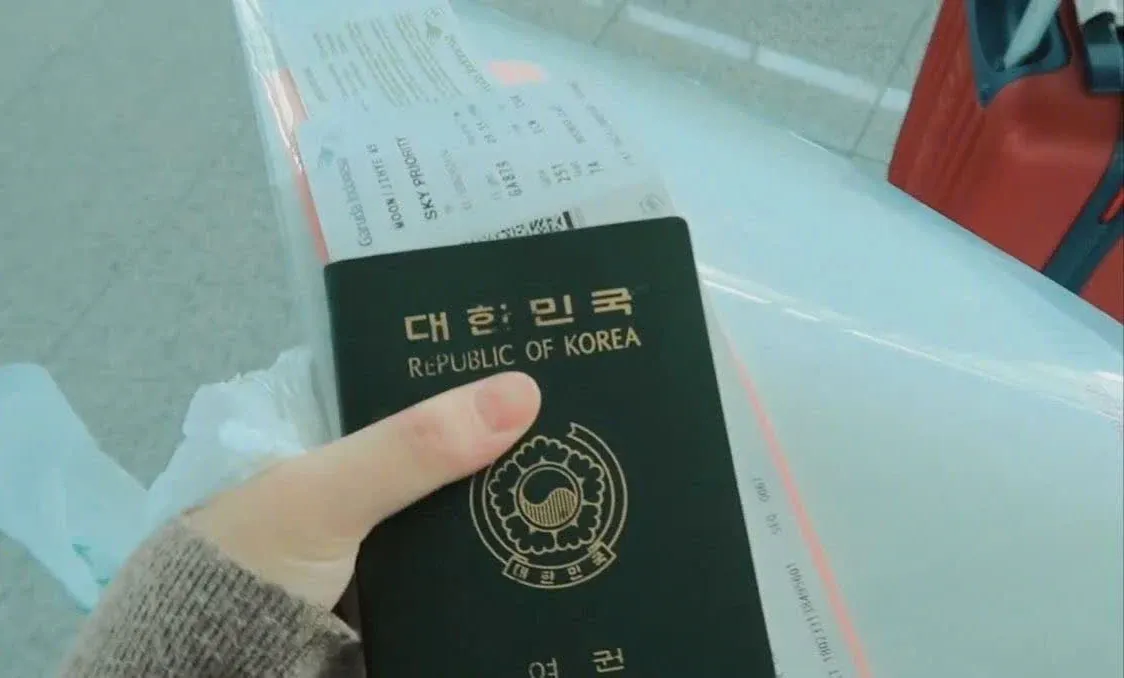
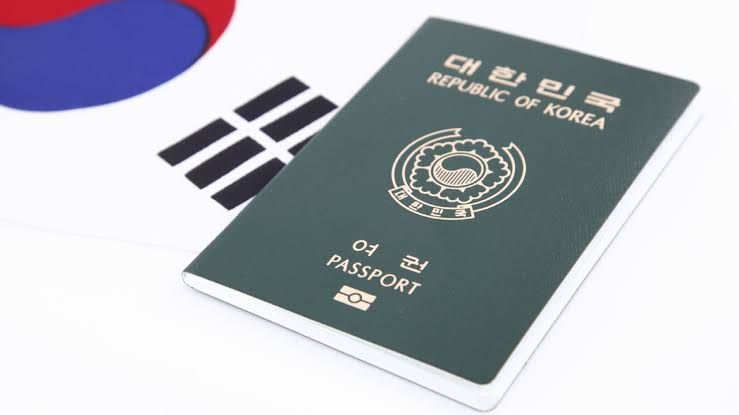
If you are checking the Vietnam visa for Korean passport 2026 requirements, the good news is that South Korean citizens can generally enter Vietnam without a visa for stays of up to 45 days. The exemption applies to eligible travelers regardless of their purpose of entry, provided they meet Vietnam’s immigration requirements. At Tubudd, we recommend checking your passport validity, planned length of stay, and entry documents before departure to make your arrival in Vietnam as smooth as possible.
Do Korean Passport Holders Need a Visa for Vietnam in 2026?
Do Korean Passport Holders Need a Visa for Vietnam in 2026?
No. South Korean citizens holding eligible passports can enter Vietnam visa-free for up to 45 days from the date of entry under Vietnam’s current unilateral visa exemption policy.
The Vietnamese Government introduced this policy under Resolution No. 44/NQ-CP, effective from March 15, 2025, through March 14, 2028. Therefore, South Korean travelers can benefit from the exemption throughout 2026, subject to the applicable entry conditions.
The exemption applies regardless of passport type or purpose of entry under the policy. This means eligible Korean citizens may use the exemption for short visits such as tourism, visiting friends or family, or certain business-related trips, provided their activities comply with Vietnamese law and any other relevant requirements.
For most Korean tourists planning a holiday of one to two weeks, applying for a Vietnam e-visa is generally unnecessary.
Vietnam Visa Exemption Requirements for Korean Citizens
Although a visa is not required for an eligible short stay, Korean passport holders must still satisfy Vietnam’s entry conditions.
A Valid South Korean Passport
Your passport must be valid and meet Vietnam’s entry requirements. Vietnam’s official visa exemption information specifies that the passport should have at least six months of validity remaining from the date of entry.
Check your passport expiration date before booking your trip. If your passport is close to expiring, contact the relevant Vietnamese diplomatic mission or immigration authority to confirm the requirements for your circumstances.
Your passport should also be in good condition, with readable personal details and no significant damage.
A Stay of No More Than 45 Days
The visa exemption permits a temporary stay of up to 45 days, counted from the date of entry.
For example, if you enter Vietnam on October 1, you should calculate your permitted stay carefully and leave within the authorized period. Do not assume that 45 days means six weeks plus an additional day.
If you intend to stay longer, arrange an appropriate visa before traveling or explore the lawful immigration options available for your circumstances.
Compliance With Vietnam's Immigration Rules
Visa exemption does not guarantee admission to Vietnam. Travelers must meet the relevant entry conditions and must not fall into a category prohibited from entering the country.
Immigration officers may ask about your visit, accommodation, or onward travel arrangements. It is sensible to keep your return or onward ticket, hotel booking, and basic travel itinerary accessible.
The documents requested can depend on the circumstances of your trip, so check the latest official instructions before departure.
What Documents Do Korean Travelers Need to Enter Vietnam?
For a typical visa-exempt tourist visit, prepare the following documents and information.
Passport: Carry your valid South Korean passport and confirm that it meets the applicable validity requirements.
Return or onward ticket: Keep your flight booking available in case you are asked to demonstrate your departure plans.
Accommodation details: Have your hotel reservation or the address of your host in Vietnam ready.
Travel itinerary: Know where you plan to stay and the general purpose of your visit.
Travel insurance: Although not a universal visa-exemption requirement, travel insurance can help cover unexpected medical expenses, cancellations, or other travel disruptions.
Visa documentation, if applicable: If your stay exceeds the visa-free period or you are entering under a different visa arrangement, carry the relevant visa or approval documentation.
For a straightforward holiday of fewer than 45 days, Korean tourists generally do not need to prepare an e-visa application. However, they should always verify current entry instructions shortly before departure.
How Long Can Korean Citizens Stay in Vietnam Without a Visa?
South Korean citizens can generally stay in Vietnam for up to 45 days per visa-exempt entry under the current policy.
The following examples illustrate how the rule may apply to different travel plans:
Travel plan
Visa requirement
A 7-day holiday in Hanoi
Generally visa-free
A 14-day trip to Ho Chi Minh City and Da Nang
Generally visa-free
A 30-day visit to Vietnam
Generally visa-free
A 45-day stay
Generally visa-free, subject to entry conditions
A planned 60-day stay
An appropriate visa is generally needed
A long-term stay for work or residence
The relevant visa and immigration permissions are needed
These examples assume that the traveler holds an eligible South Korean passport and meets all applicable entry conditions.
If you intend to remain in Vietnam for more than 45 days, do not rely on the visa exemption alone. An e-visa may be suitable for some longer visits, while employment, study, investment, or family-related stays may involve different immigration procedures.
Vietnam E-Visa for Korean Passport Holders Staying Longer Than 45 Days
Vietnam E-Visa for Korean Passport Holders Staying Longer Than 45 Days
If you plan to stay in Vietnam beyond the visa-free period, you can consider applying for an electronic visa, provided you meet the applicable requirements.
Vietnam’s e-visa system is available to citizens of all countries and territories. An e-visa may be issued for a maximum validity of 90 days and can be single-entry or multiple-entry.
The permitted validity is not automatically granted in full. Check the dates and entry conditions stated on your approved visa before traveling.
Avoid unofficial websites that imitate government services or charge additional fees without clearly explaining their role.
How to Apply for a Vietnam E-Visa
The general application process is as follows:
Open the official e-visa portal and select the appropriate application option.
Enter your personal details exactly as shown on your passport.
Provide the requested passport, travel, and entry information.
Upload the required photograph and passport information page in the specified format.
Review your application carefully before submitting it.
Pay the applicable government fee through the official system.
Save your registration information and check the application status online.
Download the approved e-visa and verify all details before departure.
Processing times can vary. Apply well before your intended travel date rather than assuming that approval will arrive immediately.
Vietnam E-Visa Fees
The standard government fees published for Vietnam e-visas have been US$25 for a single-entry visa and US$50 for a multiple-entry visa. Confirm the current fees on the official portal before applying, as payment rules and procedures may change.
These fees apply to e-visa applications, not to travelers entering under the Korean passport visa exemption.
Can Korean Citizens Enter Vietnam Multiple Times Without a Visa?
The 45-day exemption is a temporary-stay policy, not a long-term multiple-entry visa.
If you leave Vietnam and return, your eligibility will be assessed under the rules applicable to your new entry. Do not assume that leaving the country automatically extends an existing stay or guarantees admission on return.
For frequent travelers, people visiting neighboring countries during a Vietnam trip, or those planning repeated business visits, it is important to review the travel schedule and entry conditions carefully.
If your plans involve several entries or an extended stay, an e-visa or another appropriate immigration arrangement may be more suitable. Check the current requirements before booking connecting travel.
Can Korean Citizens Work in Vietnam Without a Visa?
Visa exemption and permission to work are different matters.
A South Korean citizen may qualify for visa-free entry for a short visit, but that does not automatically authorize employment in Vietnam. Foreign workers may need an appropriate immigration status, a work permit, or confirmation that they qualify for a specific exemption under Vietnamese law.
The requirements depend on the nature of the work, the employer, the intended duration, and the applicable legal exemptions.
If you are coming to Vietnam for a job, an extended business assignment, or a transfer within a company, consult your employer and the relevant Vietnamese authorities before traveling. Do not assume that the 45-day tourist or visitor exemption is sufficient for employment.
What About Business Trips, Family Visits, and Other Purposes?
The current 45-day exemption policy covers eligible South Korean citizens regardless of the purpose of entry, provided they meet Vietnam’s legal entry conditions.
However, visa-free entry does not remove requirements that may apply to particular activities.
For example, attending meetings or visiting business partners is different from taking up employment. Similarly, a short family visit is different from establishing long-term residence in Vietnam.
If your visit involves work, study, investment, or another regulated activity, confirm whether additional permits, approvals, or immigration documentation are required.
Vietnam Arrival Procedures for Korean Travelers
Before flying to Vietnam, check the latest arrival instructions for your destination airport. Immigration procedures and pre-arrival systems may change, and some airports may introduce additional online processes.
Vietnam has introduced a Pre-arrival Information system for eligible international travelers. This declaration is separate from an e-visa application and does not replace the visa exemption or other entry requirements.
After arriving, follow airport signs and immigration officers’ directions. Keep your passport and relevant travel documents accessible, and check your permitted stay before making onward travel plans.
Best Tips for Korean Travelers Visiting Vietnam in 2026
Best Tips for Korean Travelers Visiting Vietnam in 2026Check your passport early. Confirm the expiration date before booking flights or accommodation.
Calculate your stay carefully. The visa exemption allows up to 45 days, so make sure your departure date falls within the permitted period.
Use official websites. Rely on the Vietnam Immigration Portal and the official e-visa website for immigration information and applications.
Plan longer visits in advance. If you expect to stay more than 45 days, investigate the appropriate visa before traveling.
Keep travel documents accessible. Save your flight booking, accommodation details, and any approved visa or pre-arrival confirmation that applies to your trip.
Check the rules before departure. Immigration requirements can change, so verify the latest official guidance even if you have visited Vietnam before.
Conclusion
For most South Korean tourists, visiting Vietnam in 2026 is straightforward: eligible Korean passport holders can generally enter without a visa for up to 45 days under Vietnam’s current exemption policy. Travelers planning longer stays should check whether a Vietnam e-visa or another immigration arrangement is appropriate, while those coming for employment or long-term residence must meet the relevant additional requirements. Before departure, verify your passport validity and the latest official entry guidance. If you are planning to explore Vietnam and want to experience more than its major tourist attractions, discover Tubudd’s customised tours to create a trip around your interests, schedule, and preferred travel style.