What Is the Language of Vietnam? A Local Insight to Vietnamese Language and Culture
Learn what is the language of Vietnam, its origins, characteristics, and how it shapes communication and culture across the country.
What is the language of Vietnam is a common question for travelers. The answer goes beyond just “Vietnamese” and opens a window into culture, history, and daily life.
More Than Words: What Is the Language of Vietnam
More Than Words: What Is the Language of VietnamThe official language of Vietnam is Vietnamese, known locally as tiếng Việt. It is spoken by the majority of the population and used in education, government, media, and everyday communication.
Vietnamese is part of the Austroasiatic language family, which makes it different from many neighboring languages in Southeast Asia. Over time, it has been influenced by Chinese, French, and modern global languages, creating a unique linguistic identity.
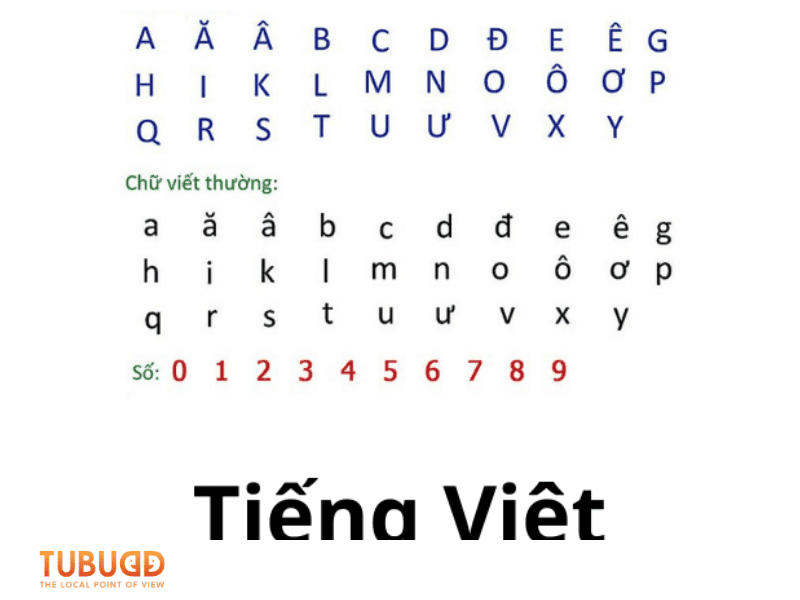
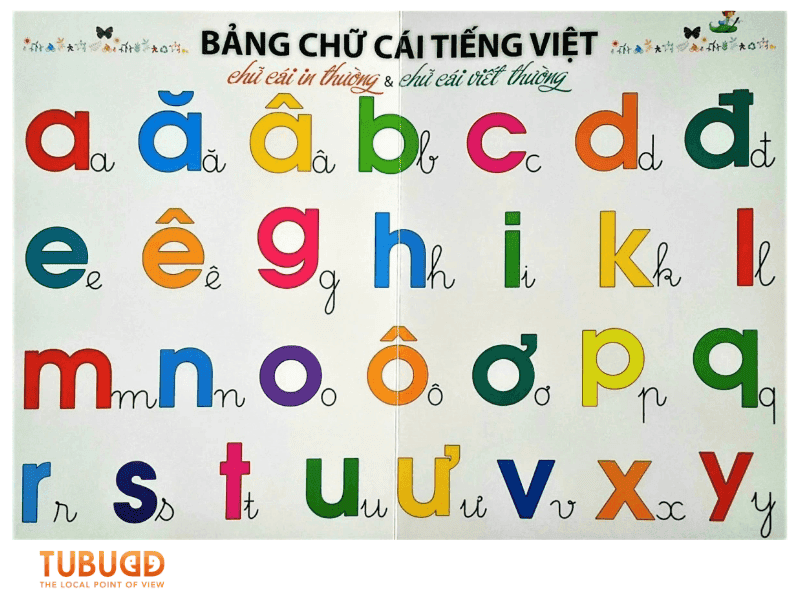
Today, Vietnamese is written using the Latin based alphabet called Quốc Ngữ, which includes additional marks to represent tones and pronunciation. This writing system makes it relatively accessible for learners compared to character based scripts.
A Language You Hear Before You Understand
One of the most distinctive features of Vietnamese is that it is a tonal language. This means the meaning of a word can change depending on how it is pronounced. Vietnamese has six tones, and each tone alters the meaning of the same syllable.
A Language You Hear Before You Understand
For example, a single word like “ma” can have completely different meanings depending on the tone used. This makes listening an essential part of learning the language.
For travelers, this can feel challenging at first, but it also adds a musical quality to everyday conversation. Walking through cities like Hanoi or Ho Chi Minh City, you will notice the rhythm and melody of spoken Vietnamese as part of the local atmosphere.
Language as a Reflection of Culture
Vietnamese language reflects the country’s values, especially respect and social relationships. There are many different pronouns depending on age, status, and relationship between speakers.
Instead of using a single word for “you” or “I,” Vietnamese speakers choose pronouns based on context. This system shows respect and helps define social roles within conversations.
The language also includes many expressions tied to daily life, traditions, and family values. Understanding even a few basic phrases can help travelers connect more naturally with locals.
If you want to go beyond basic phrases and truly understand how language is used in real situations, exploring with a Tubudd local buddy can give you deeper insight into communication styles and cultural nuances.
How Vietnamese Is Used in Modern Life
While Vietnamese is the main language, English is increasingly used in tourism, business, and education, especially in larger cities. However, outside of major urban areas, English may be less common.
How Vietnamese Is Used in Modern Life
Signage, menus, and transportation systems often include both Vietnamese and English, making it easier for visitors to navigate. Still, learning a few simple Vietnamese words can greatly enhance your travel experience.
In addition, regional accents vary across the country. Northern, central, and southern dialects can sound quite different, even though they share the same writing system.
Conclusion
Understanding what is the language of Vietnam helps you see beyond words and into the country’s culture, history, and way of life. Vietnamese is not just a means of communication, it is a reflection of identity, respect, and community.
Whether you are exploring busy streets in Hanoi or experiencing local life in Ho Chi Minh City, even a small effort to understand the language can create more meaningful connections.
If you want to experience real conversations and learn how locals communicate naturally, traveling with a Tubudd local buddy can help you bridge the language gap and connect with Vietnam on a deeper level.