What Is Vietnamese Rice Cake? How to Explore This Traditional Dish Across Vietnam
Discover Vietnamese rice cake, from traditional varieties to regional specialties, and learn how to enjoy them like a local while traveling in Vietnam.
Vietnamese rice cake is not just one dish but a collection of traditions. From festive specialties to everyday street food, each version tells a different story of Vietnam.
What Makes Vietnamese Rice Cake So Special
What Makes Vietnamese Rice Cake So Special
When people search for “vietnamese rice cake,” they often expect a single dish. In reality, Vietnamese rice cake refers to a wide variety of foods made from rice flour or glutinous rice, each with its own texture, flavor, and cultural meaning. Across Vietnam, rice cakes are deeply connected to both daily meals and important celebrations, making them an essential part of Vietnamese cuisine.
What makes Vietnamese rice cake unique is its versatility. Some are soft and chewy, others are crispy or dense, and fillings can range from savory pork and mung bean to sweet coconut and sugar. These variations reflect not only regional tastes but also historical influences and local ingredients.
For travelers, exploring Vietnamese rice cake is less about trying one specific dish and more about discovering a category of food that evolves from north to south.
If you want to understand how locals actually enjoy these dishes and where to find the best versions, exploring markets and local eateries with a Tubudd local buddy can help you discover authentic experiences beyond tourist menus.
Popular Types of Vietnamese Rice Cake You Should Try
Popular Types of Vietnamese Rice Cake You Should TryVietnamese rice cake comes in many forms, and each type offers a different experience. Here are some of the most popular ones you will encounter:
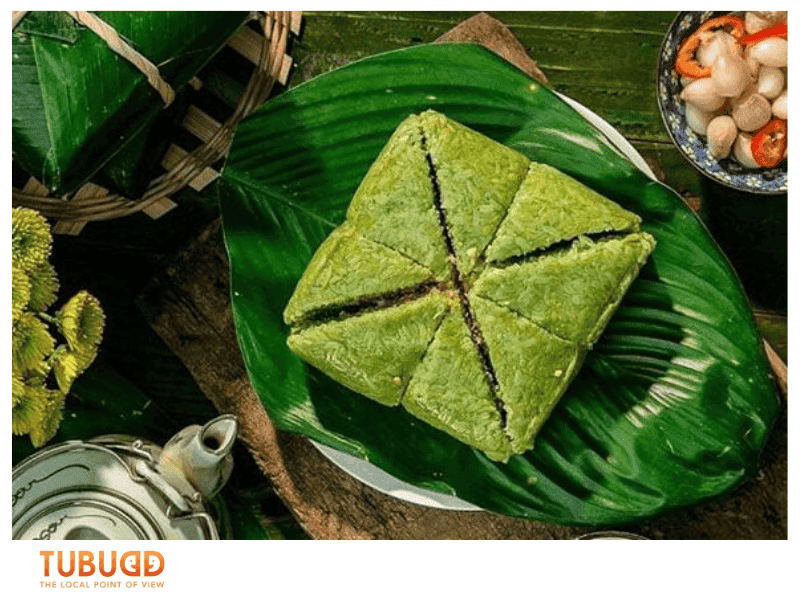
Bánh chưng: A square sticky rice cake filled with pork and mung bean, traditionally eaten during Lunar New Year.
Bánh tét: A cylindrical version of bánh chưng, more common in southern Vietnam.
Bánh bèo: Small steamed rice cakes topped with dried shrimp, often served in central regions.
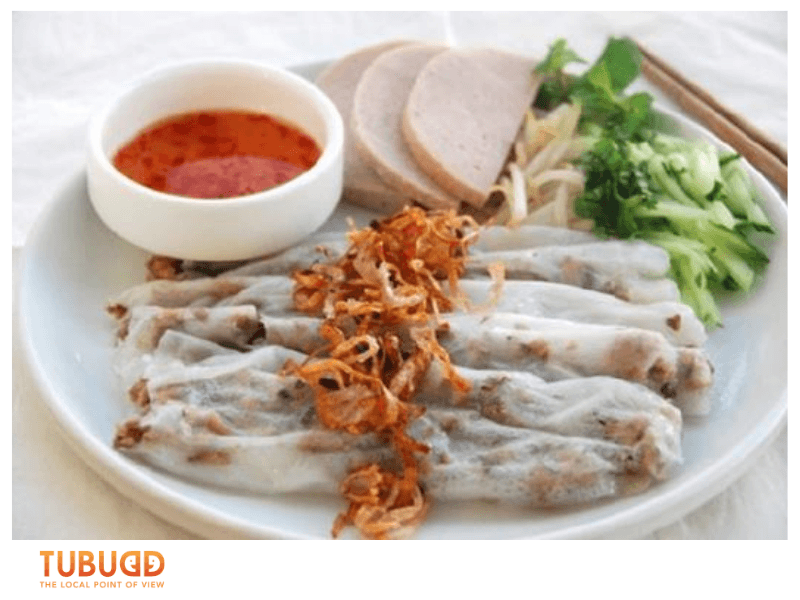
Bánh cuốn: Thin steamed rice rolls filled with minced pork and mushrooms.
Bánh giò: Pyramid-shaped rice cake filled with pork, wrapped in banana leaves.
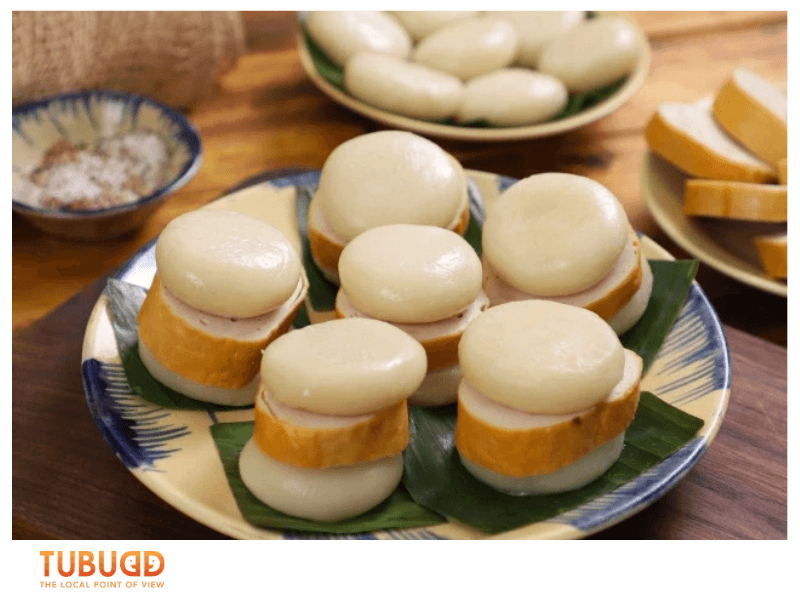
Bánh ít: Small sticky rice cakes with either sweet or savory fillings.
These dishes show how Vietnamese rice cake can be adapted into snacks, meals, or festive foods depending on the context.
Regional Differences in Vietnamese Rice Cake
Regional Differences in Vietnamese Rice Cake
The diversity of Vietnamese rice cake becomes even more interesting when you look at regional variations in Vietnam.
In the north, especially in Hanoi, rice cakes tend to be simple and balanced in flavor. Dishes like bánh cuốn focus on light textures and subtle seasoning.
In central Vietnam, flavors are often more complex, and presentation can be more delicate. Bánh bèo, for example, is served in small portions with carefully prepared toppings.
In the south, particularly in Ho Chi Minh City, rice cakes are often richer and slightly sweeter. Bánh tét reflects this style, with variations that include banana or coconut for a sweeter taste.
Trying Vietnamese rice cake in different regions allows you to experience how the same base ingredient can be transformed in unique ways.
How to Eat Vietnamese Rice Cake Like a Local
Eating Vietnamese rice cake is often a shared and interactive experience. Many dishes are served in small portions, encouraging you to try multiple types in one meal.
For example, bánh bèo is typically eaten with a spoon, combining the soft rice base with toppings and sauce in each bite. Bánh cuốn is often served with herbs and dipping sauce, creating a balance of flavors and textures.
Street food culture also plays a big role. Many rice cakes are prepared fresh and served quickly, making them ideal for casual dining.
Timing can also matter. Some rice cakes are associated with specific occasions or times of day, while others are available year round.
If you want to explore different types of Vietnamese rice cake without missing the best spots, joining a Tubudd local buddy or a Tubudd food tour can help you navigate the variety and discover places that locals trust.
Tips for Travelers When Trying Vietnamese Rice Cake
Because there are so many types of Vietnamese rice cake, it helps to start with a few well-known dishes and expand from there.
Look for places that prepare the cakes fresh, as texture is a key part of the experience.
Do not hesitate to try both savory and sweet versions, as they offer very different flavors.
Pay attention to how locals eat each dish, as some rice cakes are meant to be combined with sauces or herbs.
Exploring local markets is also a great way to see multiple types in one place.
Conclusion
Vietnamese rice cake is not just a single dish but a reflection of cultural diversity and culinary creativity in Vietnam. From festive foods like bánh chưng to everyday street snacks like bánh cuốn, each type offers a unique experience.
Whether you are exploring traditional markets in Hanoi or trying regional specialties in Ho Chi Minh City, Vietnamese rice cake allows you to taste both history and daily life.
If you want to go beyond surface-level tasting and truly understand how these dishes fit into local culture, exploring with a Tubudd local buddy can help you turn simple dishes into meaningful travel experiences.