Mung Bean Cake: Why This Simple Vietnamese Sweet Has Lasted for Generations
Discover mung bean cake in Vietnam, its origins, taste, cultural meaning, and why it remains a beloved traditional sweet.
Mung bean cake may look simple, but behind its delicate texture lies a long tradition of craftsmanship, tea culture, and Vietnamese food heritage.
What Is Mung Bean Cake?
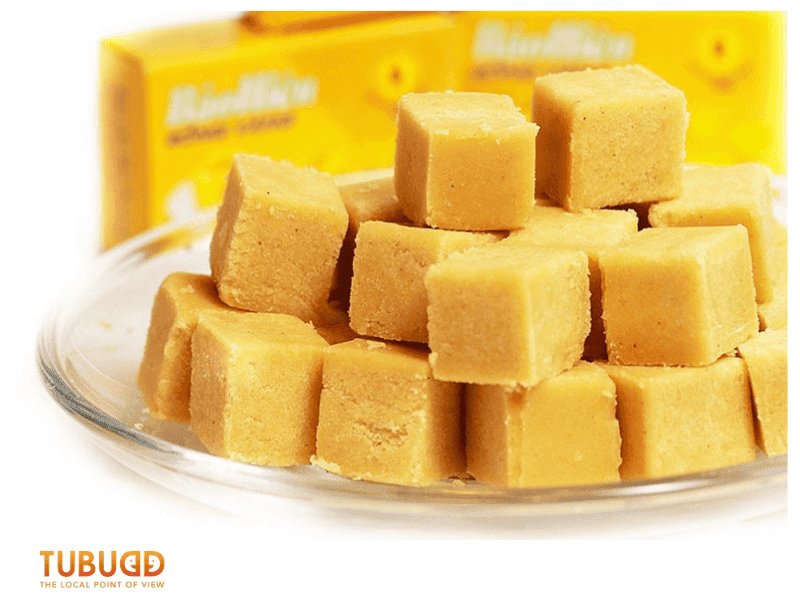
Mung bean cake, known in Vietnam as bánh đậu xanh, is a traditional sweet made primarily from finely ground mung beans, sugar, and often a small amount of oil or fat to create its signature crumbly yet smooth texture.
What Is Mung Bean Cake?
Unlike rich pastries or heavily layered desserts, mung bean cake is understated. It dissolves gently in the mouth and carries a light sweetness that pairs especially well with tea.
In Vietnam, it is not simply treated as candy or dessert, but often as part of hospitality and tea drinking tradition.
Why Mung Bean Cake Is Famous in Vietnam
One reason mung bean cake has remained popular for generations is balance. It is sweet, but not overly sweet. It feels light, yet satisfying.
Another reason is cultural association. It is often given as a gift, served to guests, or enjoyed during quiet moments with tea.
The cake is especially associated with Hai Duong, a place widely known for producing some of the most recognized versions of this specialty.
Its enduring popularity comes not from novelty, but from consistency and tradition.
If you want to explore regional specialties and taste traditional sweets where they are rooted, discovering local food culture with a Tubudd local buddy can help you go beyond standard tourist food stops.
How Mung Bean Cake Is Traditionally Enjoyed
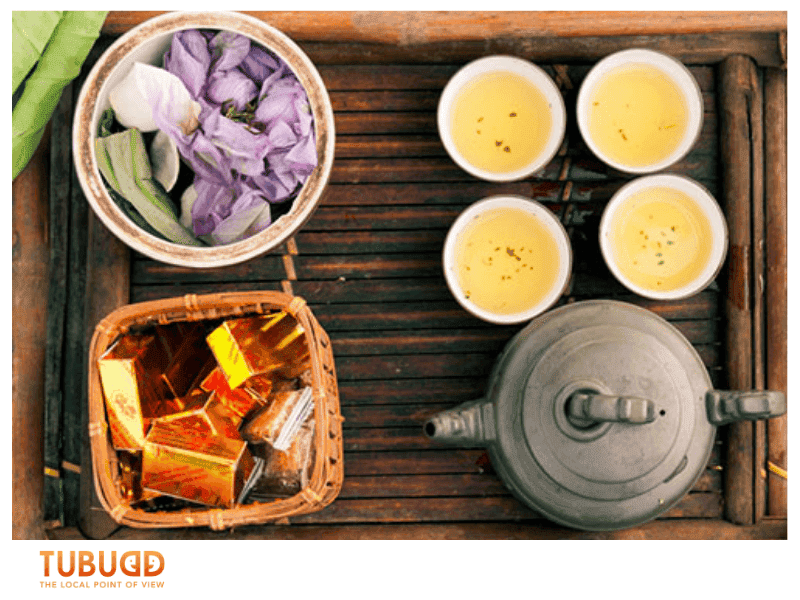
One of the most traditional ways to enjoy mung bean cake is with tea, especially green tea or lotus tea. The dry, delicate texture of the cake pairs naturally with warm tea, creating a balanced tasting experience.
How Mung Bean Cake Is Traditionally Enjoyed
Rather than being eaten as a large dessert, it is often enjoyed in small portions. This reflects a different philosophy of sweets, one centered on subtlety rather than indulgence.
In some homes, offering tea and mung bean cake to visitors is still part of everyday hospitality.
Modern Variations and Why It Still Matters Today
Modern Variations and Why It Still Matters Today
While traditional mung bean cake remains widely appreciated, modern packaging and gift box formats have helped keep it relevant for younger consumers and travelers.
You may now find variations with adjusted sweetness or updated presentation, but the essential character of the cake remains the same.
In cities like Hanoi and Ho Chi Minh City, it is often sold as a specialty gift, but its deeper value lies in the traditions it carries.
Conclusion
Mung bean cake endures because it represents something timeless in Vietnamese food culture: simplicity, craftsmanship, and quiet refinement.
Whether you try it in its traditional home of Hai Duong or enjoy it with tea in Hanoi, it offers more than sweetness. It offers a taste of continuity in Vietnam.
If you want to discover traditional foods through the stories and places behind them, exploring with a Tubudd local buddy can help you connect with Vietnam’s culinary heritage in a more meaningful way.