Dry Vietnamese Noodles: Discover Vietnam’s Most Flavorful Noodle Dishes
Learn about dry Vietnamese noodles, the famous noodle dishes served without broth that showcase bold flavors and fresh ingredients.
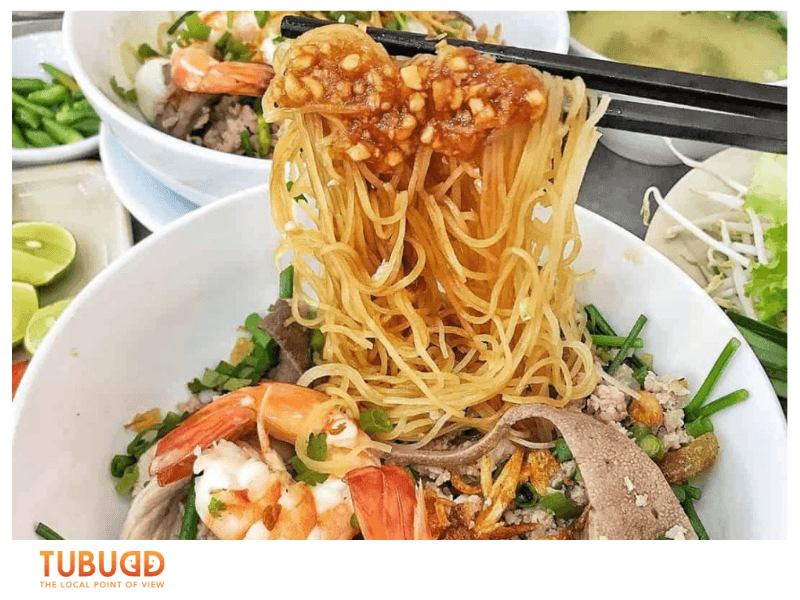
Dry Vietnamese noodles are a popular part of Vietnam’s food culture. Instead of soup based noodles, these dishes combine rice noodles with grilled meats, herbs, and flavorful sauces.
What Are Dry Vietnamese Noodles
What Are Dry Vietnamese NoodlesDry Vietnamese noodles refer to noodle dishes served without a traditional broth. Instead, the noodles are mixed with sauces, herbs, vegetables, and proteins such as grilled pork, beef, seafood, or tofu. The result is a balanced meal that highlights both texture and flavor.
Vietnamese cuisine often emphasizes freshness, and dry noodle dishes perfectly represent this philosophy. A typical bowl includes soft rice noodles, crisp vegetables, fragrant herbs, and a savory sauce that ties everything together. Diners usually mix all the ingredients before eating, creating a blend of sweet, salty, sour, and spicy flavors in every bite.
If you want to experience authentic dry noodle dishes beyond tourist areas, exploring local eateries with a Tubudd local buddy can help you discover hidden street food spots where these dishes are prepared the traditional way.
Bun Thit Nuong: Vietnam’s Famous Grilled Pork Noodles
Vietnam’s Famous Grilled Pork Noodles
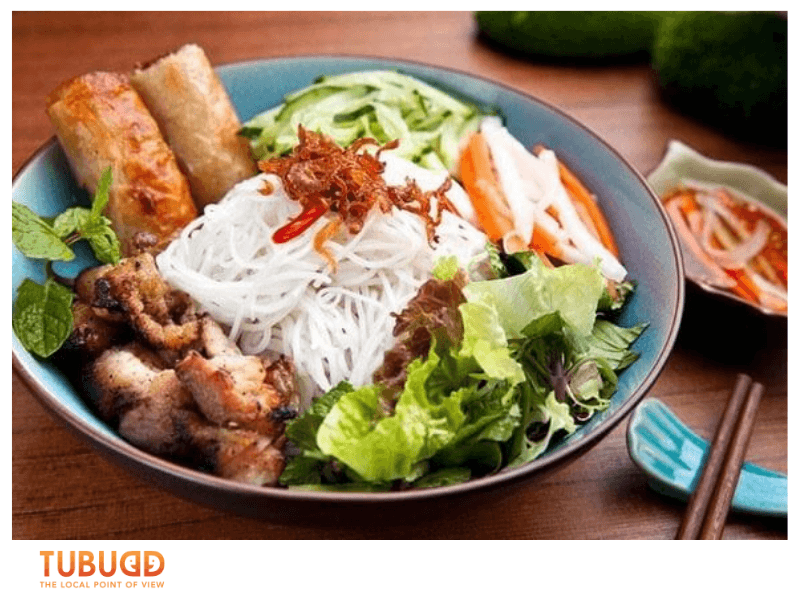
One of the most well known dry Vietnamese noodles is bun thit nuong. This dish combines rice vermicelli noodles with grilled marinated pork, fresh herbs, pickled vegetables, and crushed peanuts. Everything is topped with a flavorful fish sauce dressing called nuoc cham.
Bun thit nuong is particularly popular in southern cities such as Ho Chi Minh City. The dish is refreshing, slightly sweet, and perfect for warm weather. The smoky flavor of grilled pork pairs beautifully with the fresh herbs and light noodles.
Many street vendors prepare the pork over charcoal grills, filling the surrounding streets with a delicious aroma that attracts both locals and visitors.
Mi Quang: Central Vietnam’s Signature Dry Noodles
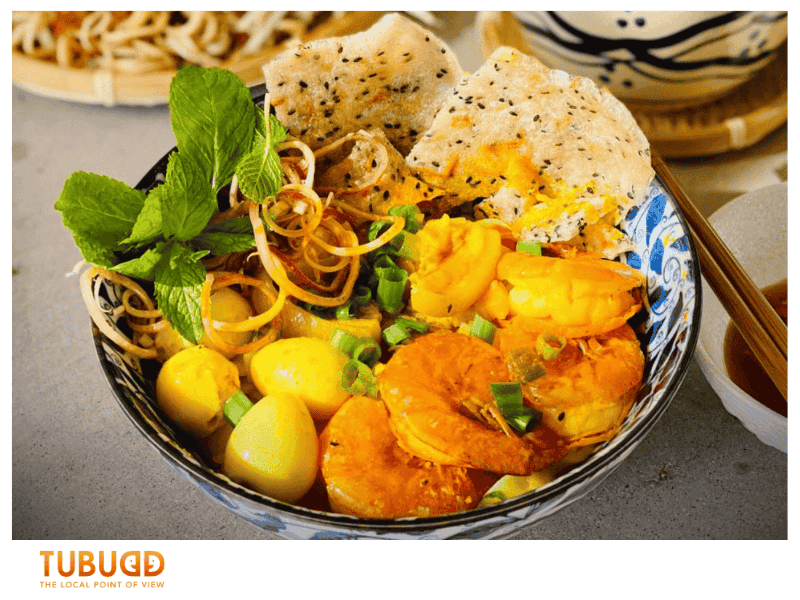
Central Vietnam’s Signature Dry NoodlesMi Quang is another famous Vietnamese noodle dish that is often considered semi dry because it uses only a small amount of broth. Originating from Quang Nam Province near Da Nang, this dish features wide yellow noodles topped with shrimp, pork, quail eggs, herbs, and roasted peanuts.
Unlike traditional noodle soups, mi quang focuses more on the toppings and the rich sauce that coats the noodles. The dish is typically served with rice crackers and fresh herbs on the side, adding both crunch and fragrance.
Mi quang represents the bold and colorful culinary traditions of central Vietnam.
Why Dry Vietnamese Noodles Are So Popular
Dry Vietnamese noodles are loved for their balance of freshness and flavor. Because they are not served in heavy broth, the dishes feel lighter and are often more refreshing in Vietnam’s warm climate.
Another reason for their popularity is variety. Each region of Vietnam has its own dry noodle specialties using local ingredients and cooking styles. From grilled meat noodle bowls to regional specialties like mi quang, dry noodles offer endless combinations.
Street food vendors and small restaurants across the country serve these dishes daily, making them an essential part of Vietnamese culinary culture.
Conclusion
Dry Vietnamese noodles highlight the creativity and balance that define Vietnamese cuisine. Whether it is a bowl of bun thit nuong in Ho Chi Minh City or a flavorful plate of mi quang from Quang Nam Province, these dishes offer a refreshing alternative to traditional noodle soups.
If you want to discover the best noodle stalls and learn how locals enjoy these dishes, exploring with a Tubudd local buddy can help you experience authentic Vietnamese food while uncovering hidden culinary gems throughout the city.