What Are Basic Vietnamese Phrases? A Practical Guide for Travelers
Learn basic Vietnamese phrases for travel, from greetings to ordering food, and communicate more confidently during your trip to Vietnam.
Knowing a few basic Vietnamese phrases can completely change your travel experience. Even simple words can open doors to better communication and more meaningful interactions.
Why Learning Basic Vietnamese Phrases Matters When Traveling
Why Learning Basic Vietnamese Phrases Matters When Traveling
When visiting Vietnam, many travelers rely entirely on English, especially in major cities. While this can work in tourist areas, it often creates a barrier once you step into local neighborhoods, street markets, or smaller towns. This is where learning a few basic Vietnamese phrases becomes incredibly useful, not just for communication, but for connection.
Using simple phrases like greetings or thank you immediately changes how people respond to you. It shows effort and respect, which are highly valued in Vietnamese culture. Even if your pronunciation is not perfect, locals usually appreciate the attempt and are more willing to help or engage.
More importantly, language shapes experience. Ordering food, asking for directions, or even negotiating prices feels more natural when you understand what is being said around you. Instead of feeling like an outsider, you begin to participate in everyday interactions.
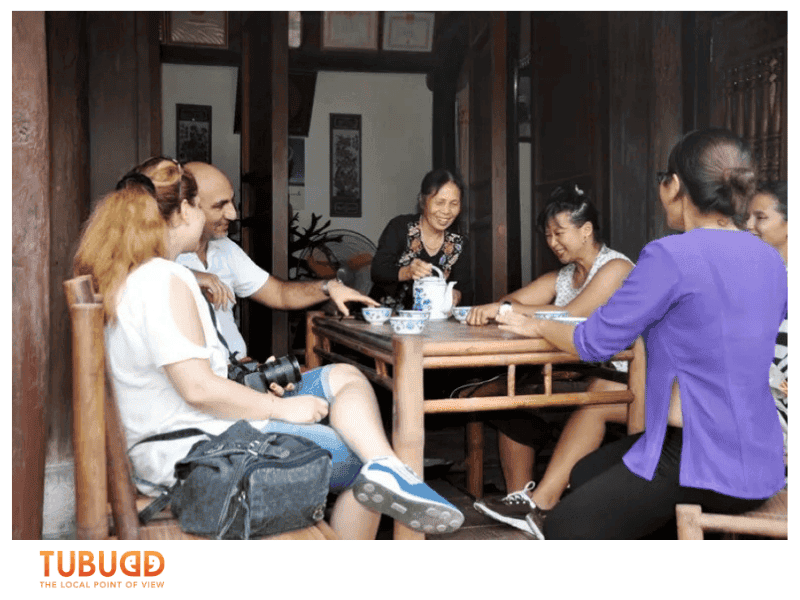
If you want to go beyond memorizing phrases and actually use them in real-life situations, exploring the city with a Tubudd local buddy can help you practice naturally while discovering how locals communicate in different contexts.
Essential Basic Vietnamese Phrases You Should Know
Essential Basic Vietnamese Phrases You Should Know
Before diving into complex conversations, it helps to start with the most practical basic Vietnamese phrases that you will use daily. These phrases are simple, widely understood, and easy to apply in real situations.
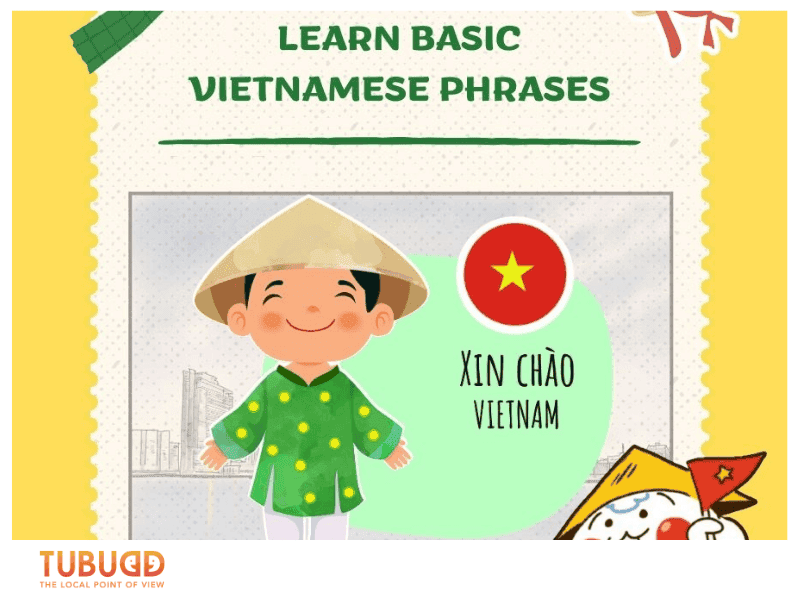
For greetings, “Xin chào” is the most common way to say hello. It is polite, neutral, and works in almost every situation. When leaving, “Tạm biệt” is used to say goodbye.
To show appreciation, “Cảm ơn” means thank you, and it is one of the most important phrases to remember. If you want to be more polite, you can slightly nod or smile while saying it.
When interacting in shops or restaurants, “Bao nhiêu tiền?” means “How much?” and is extremely useful when checking prices. If you want something, “Cho tôi…” followed by the item name helps you order clearly.
For basic understanding, “Không” means no, and “Có” means yes. These two words alone can help you navigate many simple situations.
Although Vietnamese is a tonal language, do not worry too much about perfect pronunciation at the beginning. Context and body language often help bridge the gap.
How to Use Basic Vietnamese Phrases in Real Situations
How to Use Basic Vietnamese Phrases in Real Situations
Learning phrases is one thing, but using them naturally is what makes the difference. In Vietnam, communication is often supported by gestures, facial expressions, and tone, so you do not need to rely only on words.
For example, when ordering food at a street stall, you can point to a dish and say “Cho tôi cái này,” which means “I would like this.” This combination of pointing and speaking makes your intention clear even if your pronunciation is not perfect.
When asking for prices, saying “Bao nhiêu tiền?” while holding or pointing to the item works effectively. Vendors are used to this interaction and will usually respond quickly, sometimes even using a calculator to show the amount.
Another important tip is to speak slowly and clearly. Vietnamese is tonal, but speaking too fast often creates more confusion than speaking simply.
In cities like Hanoi and Ho Chi Minh City, you may find more English support, but using basic Vietnamese phrases still makes interactions smoother and more engaging.
Tips to Learn and Remember Vietnamese Phrases Easily
One of the best ways to remember basic Vietnamese phrases is to learn them in context rather than as isolated vocabulary. Instead of memorizing long lists, focus on situations such as ordering food, greeting people, or asking for directions.
Repetition also helps. Using the same phrase multiple times in a day reinforces memory much more effectively than studying it once. Even small interactions, like buying coffee or asking for directions, can become practice opportunities.
Listening is just as important as speaking. Pay attention to how locals use phrases, their tone, and their rhythm. Over time, you will begin to recognize patterns and feel more comfortable responding.
If you want to accelerate this process, spending time with locals in everyday settings can make a big difference. Practicing basic Vietnamese phrases in real conversations helps you learn faster and with more confidence.
Common Mistakes Travelers Should Avoid
One common mistake is overthinking pronunciation. While tones are important, focusing too much on perfection can make you hesitant to speak at all. It is better to try and adjust gradually.
Another mistake is relying entirely on translation apps. While useful, they can sometimes create unnatural or overly formal sentences that do not match everyday speech.
Some travelers also assume that locals will not understand them if their Vietnamese is not perfect. In reality, context, gestures, and patience often make communication possible.
Finally, avoid speaking too loudly or repeating the same phrase aggressively if you are not understood. Instead, slow down, rephrase, or use gestures to support your words.
Conclusion
Basic Vietnamese phrases are simple tools, but they have a powerful impact on how you experience Vietnam. They help you move more confidently, interact more naturally, and connect more deeply with local culture.
Whether you are ordering food in Hanoi or asking for directions in Ho Chi Minh City, even a few words can turn a routine interaction into a positive experience.
If you want to practice these phrases in real situations and understand how locals actually communicate, exploring with a Tubudd local buddy can help you turn language learning into part of your journey, not just preparation.