Temporary Residence Card vs Working Visa Vietnam: Key Differences
This article explores the key differences, advantages, and implications of each option for expatriates aiming to thrive in Vietnam's diverse landscape.
Understanding information like Temporary Resident Card holder Vietnam siblings or the Temporary Residence Card vs Working Visa Vietnam is essential when navigating the complexities of living and working in Vietnam. Both documents serve unique purposes, catering to different needs of foreign nationals residing in this vibrant Southeast Asian nation. As global mobility increases, individuals seeking to make Vietnam their home must grasp the nuances of these options to ensure compliance with local regulations and to facilitate their long-term plans.
Understanding Temporary Residence Cards
The Temporary Residence Card vs Working Visa Vietnam distinction serves as a pivotal component
The Temporary Residence Card vs Working Visa Vietnam distinction serves as a pivotal component in the country's immigration framework, especially for those looking to stay long-term. The Temporary Residence Card (TRC) is designed for foreigners who plan to stay in Vietnam for extended periods.Unlike a traditional visa, the TRC provides a more stable and flexible solution for long-term residents. This type of visa can include options like a 3 months business visa Vietnam for those intending to stay on a temporary basis.
What is a Temporary Residence Card?
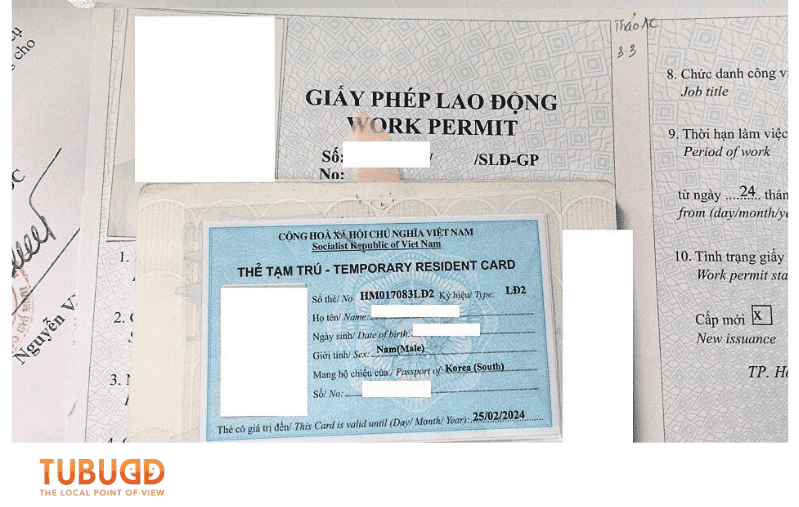
A Temporary Residence Card vs Working Visa Vietnam discussion often hinges on how the TRC allows foreign nationals to reside in Vietnam legally without needing to exit and re-enter the country frequently. It is primarily granted to individuals holding valid work permits, certain visa holders, or company management members.
This card can be valid for various durations, ranging from one to ten years, depending on factors such as the visa type or investment capital in the case of investors. The TRC enables cardholders to enjoy multiple entries and exits during its validity period, eliminating the hassle of renewing visas constantly. The choice becomes clearer as you evaluate how much flexibility and stability each offers.
Acquiring a TRC not only simplifies travel but also opens doors to various facilities, such as banking services, property leasing, and accessing local healthcare, providing a sense of stability in an often-changing environment. The choices between the 2 options often come down to these long-term benefits.
Eligibility for a TRC
Eligibility for obtaining a TRC is contingent upon several criteria. Primarily, applicants must possess a valid work permit or residency-related visa. Additionally, they may need to demonstrate proof of employment or business ownership, particularly for those investing in Vietnamese enterprises. TRC vs Working Visa Eligibility criteria are closely tied to employment or business status.
Another essential aspect is the applicant’s background; individuals must meet legal capacity requirements and have a clean criminal record, which is a critical factor when applying for a temporary resident card Vietnam for criminal record. This scrutiny ensures that the individuals allowed to reside in Vietnam contribute positively to society, enhancing community safety and cohesion. For those considering between the two options, meeting these background requirements is crucial.
Moreover, the immigration authorities may require evidence of financial stability, such as bank statements or proof of income, to ascertain that the individual can support themselves while residing in the country. This can be an important factor in the debate.
Application Process for a TRC
The application process for a TRC and a working visa involves several steps. Initially, candidates must gather the required documentation, which typically includes a valid passport, a recent photograph, a health certificate, and proof of employment or investment.
Once the paperwork is prepared, applicants submit their applications through the Department of Immigration or related authorities. The review process can take anywhere from a few weeks to several months, depending on the complexity of the case and the current workload of the immigration office. Understanding the application process is key to ensuring a smooth experience.
It's vital for applicants to maintain communication with the relevant authorities throughout the process to avoid delays and ensure that any additional information requested is promptly provided.
Exploring Working Visas
The Working Visa is specifically tailored for foreign nationals working for Vietnamese companies or organizations.
While the Temporary Residence Card offers long-term residency benefits, the Temporary Residence Card vs Working Visa Vietnam comparison becomes especially important for expatriates working in Vietnam. The Working Visa is specifically tailored for foreign nationals working for Vietnamese companies or organizations. Understanding the dynamics surrounding this type of visa is critical for expatriates engaged in professional activities within Vietnam.
Types of Working Visas Available
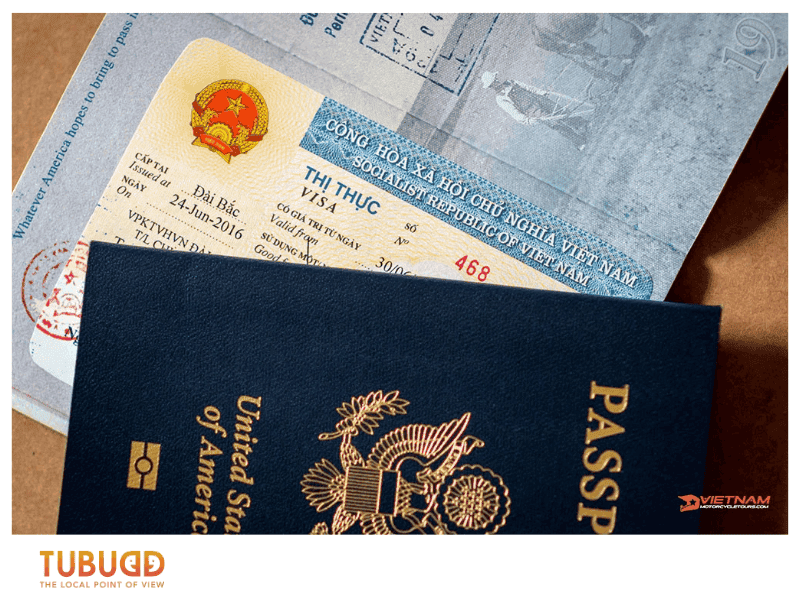
Vietnam has several types of working visas, each catering to specific professional circumstances. Common visa types include:
DL (Tourist Visa): Although primarily for tourism, some individuals use it for brief business engagements.
HN (Meetings/Conferences): This visa covers participation in meetings or conferences within Vietnam.
LD1/LD2: These visas pertain to foreigners working in Vietnam under a work permit exemption or those requiring a work permit, respectively.
DN1/DN2: This category is designated for foreign employees working closely with Vietnamese entities, often promoting services or products.
Each visa category features unique requirements, processing times, and eligibility criteria. Understanding the 2 options, expatriates should closely examine the specifications of each visa type to select the most suitable option for their work-related circumstances.
Application Process for a Working Visa
The application process for a Working Visa vs Temporary Residence Card Vietnam typically begins with an employer sponsorship, which is a requisite for most foreign workers in Vietnam. Employers must demonstrate a need for foreign expertise, often necessitating a job vacancy announcement and an explanation report regarding the hiring of an expatriate.
Following this, the employer submits the work permit application, alongside documents like the employee's passport, health certificate, and police clearance. Once the work permit is secured, the foreign national can apply for the corresponding Working Visa vs Temporary Residence Card Vietnam.
It’s important to note that the entire process can take 1.5 to 2 months, making it imperative for applicants to plan accordingly. Hiring agencies or legal consultants can assist candidates in navigating this intricate process, minimizing errors that could lead to delays.
Rights and Limitations of a Working Visa
While a Working Visa grants the right to live and work in Vietnam, it does come with certain limitations. For instance, the visa is usually tied to a specific employer, meaning that changing jobs would necessitate a new visa application. The comparison clearly indicates this flexibility difference.
The Working Visa, unlike the TRC, often needs renewal after a set period, causing administrative issues and extra costs for employees. Expatriates should keep track of their visa status and comply with Vietnamese timelines to prevent penalties.
Working without an appropriate visa or exemption may result in serious repercussions like fines, deportation, or entry bans into Vietnam. This highlights the need for strict adherence to immigration laws.
Comparing Benefits and Drawbacks: Temporary Residence Card vs Working Visa Vietnam
The Temporary Residence Card vs Working Visa Vietnam distinction serves as a pivotal component
When weighing the option of a Temporary Residence Card vs Working Visa Vietnam, assessing the benefits and drawbacks of each is paramount. Understanding personal goals and circumstances will aid expatriates in making informed decisions during their time in Vietnam.
Advantages of a Temporary Residence Card
One of the primary benefits of a TRC is its ability to provide long-term security. Allowing multiple entries and exits within its validity, it offers the flexibility that many expatriates desire when traveling for business or personal reasons.
Additionally, possessing a TRC fosters a greater sense of belonging in Vietnam. Individuals with a TRC often find it easier to engage with local communities and develop relationships with Vietnamese nationals, enriching their overall experience.
A TRC can significantly streamline access to essential services, such as opening bank accounts or enrolling children in schools. These benefits create a smoother transition into Vietnamese society, ultimately supporting expatriates' long-term goals.
Disadvantages of a Temporary Residence Card
Conversely, the comparison also reveals some disadvantages. The TRC application process can be cumbersome and time-consuming. Applicants must navigate various bureaucratic hurdles, which can be overwhelming, especially for those unfamiliar with Vietnamese regulations.
Furthermore, while the TRC provides stability, it may not offer the same level of immediate accessibility as a Working Visa for specific job opportunities. In scenarios where quick employment is needed, individuals may find themselves opting for a Working Visa.
Advantages of a Working Visa
The primary advantage of a Working Visa lies in its direct association with employment. It allows foreigners to secure jobs in Vietnam, helping them gain valuable experience in the local market. For many professionals, this opportunity can lead to career advancement and networking possibilities.
Additionally, the Working Visa can often be processed more rapidly than a TRC, allowing individuals to begin working sooner. When paired with a work permit, it establishes a legitimate basis for employment, giving both foreign workers and their employers peace of mind.
Disadvantages of a Working Visa
Despite its advantages, the Working Visa vs Temporary Residence Card Vietnam has restrictions. Primarily, it is linked to a specific employer; thus, switching jobs entails undergoing a new visa application process. This limitation can create uncertainty and instability for expatriates eager to explore new opportunities.
Moreover, the requirement for continual renewal can be seen as a burden, demanding ongoing attention to compliance with regulations. Failing to maintain lawful status can result in significant repercussions, including monetary fines or deportation.
---
If you're considering applying for a Temporary Residence Card vs Working Visa Vietnam, Tubudd offers expert assistance to guide you through the entire process smoothly. Whether you need help securing your Temporary Residence Card or obtaining a work permit, Tubudd has you covered with tailored services to ensure you comply with all Vietnamese immigration regulations. Check out now.!
Conclusion
Understanding the differences between a Temporary Residence Card and a Working Visa in Vietnam is essential for living and working here.
Understanding the differences between a Temporary Residence Card and a Working Visa in Vietnam is essential for living and working here. Both have unique advantages and drawbacks, offering different paths for foreigners.
The decision depends on personal circumstances and objectives. By evaluating options and adhering to immigration rules, expatriates can successfully integrate into Vietnam's vibrant society. Whether aiming for long-term residency or short-term work, grasping these immigration tools is crucial for anyone starting their journey in Vietnam.